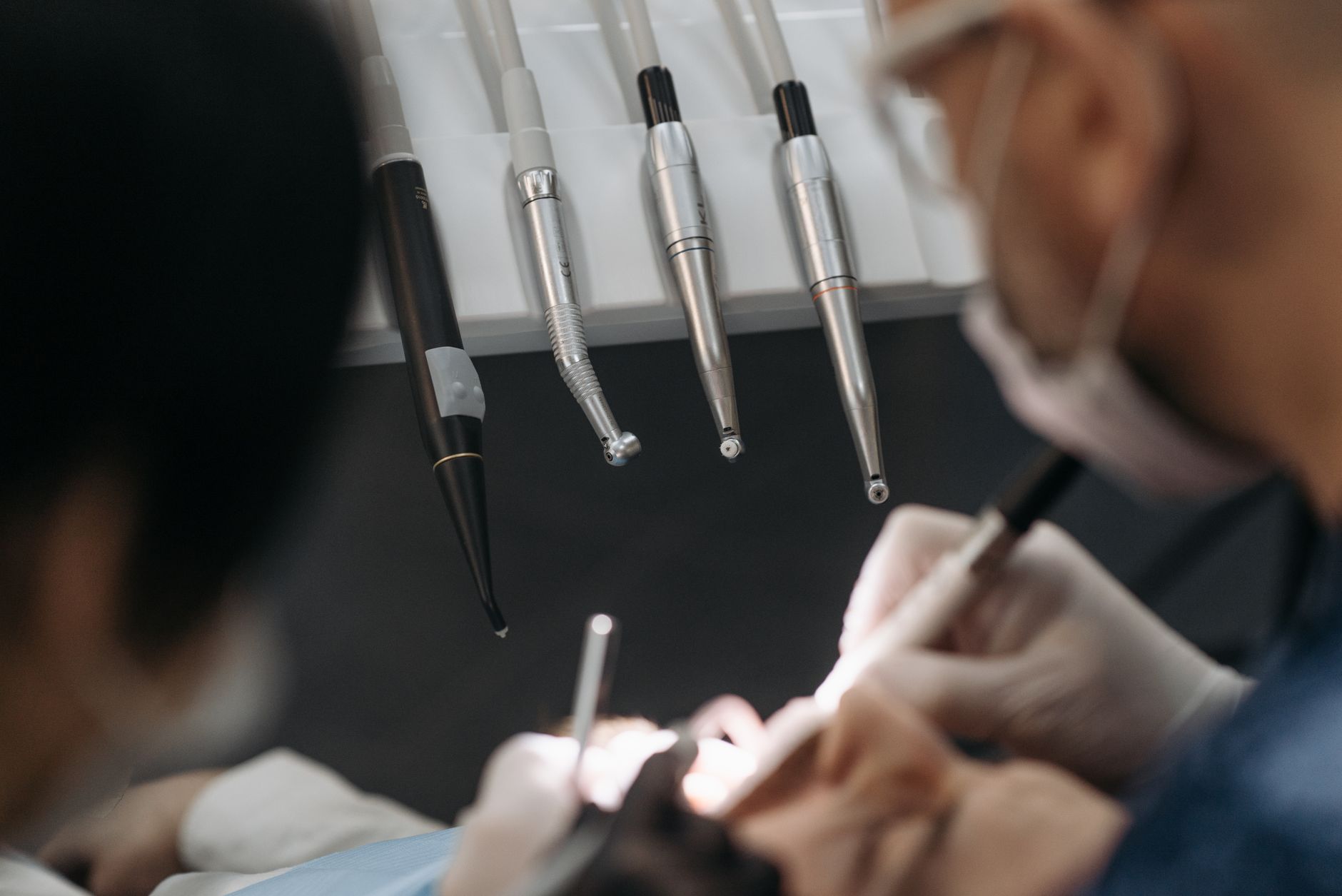
Home › Personal Finance › Average Dentist Salary UK 2026: Full Pay Breakdown 📅 April 2026 · ✍️ Chandraketu Tripathi · ⏱ 8 min read Dentist SalaryPersonal FinanceCareerUK 2026 A dentist in the UK earns a median of approximately £65,000 in 2026. Pay ranges from £32,000 at entry level to £200,000+ at senior level. Here is the complete breakdown by grade, region, and career stage. Dentist pay in the UK is shaped by qualification level, experience, sector, and location. This guide gives you accurate benchmarks to evaluate your current salary and plan your next move. | £32kFoundation Year | £120kPrivate Associate | £300k+Specialist Owner | 6 yrsTo Qualify |
Dentist Salary by Grade 2026Here is the full pay grade breakdown for dentists in the UK: | Grade / Level | Salary Range |
|---|
| Foundation Dentist (Year 1) | £32,000–£38,000 | | Associate — NHS | £40,000–£80,000 | | Associate — Private | £60,000–£120,000+ | | Specialist — Orthodontist / Implantologist | £80,000–£200,000+ | | Practice Owner — NHS | £80,000–£150,000+ | | Practice Owner — Private | £100,000–£300,000+ |
📊 London Premium: Dentists working in London typically earn £15,000+ or more above the national equivalent — reflecting higher cost of living and concentration of senior employers in the capital. Dentist Salary by Region 2026There is significant regional variation in dentist salaries across the UK: | Region | Typical Salary Range |
|---|
| London | £70,000–£150,000+ associate and private | | South East | £60,000–£120,000 | | Midlands | £50,000–£90,000 | | North West | £45,000–£85,000 | | Scotland | £45,000–£80,000 | | Wales | £45,000–£80,000 |
⚠️ Data Note: All figures are approximate based on ONS ASHE data, sector surveys, and current job postings. Cross-reference with live postings for your specific location and seniority. Career Progression — How Pay Grows1 | BDS Degree (5 years) Bachelor of Dental Surgery from a GDC-approved dental school. Highly competitive entry. |
2 | Foundation Training (1 year) Mandatory supervised year in a practice. Allowance: £32,000–£38,000. |
3 | Associate Role Work in NHS, private, or mixed practice. Earnings depend on UDA targets, patient volume, and fee mix. |
4 | Build Patient List and Specialism Private income grows with patient list, referral network, and treatment mix. Cosmetic and implant dentistry command the highest fees. |
5 | Specialise or Buy a Practice Specialist registration requires 3–5 more years training. Practice ownership significantly increases long-term earnings. |
NHS UDAs vs Private IncomeNHS dentist income is based on Units of Dental Activity (UDAs) — widely criticised as inadequate. Private fees: check-up £50–£100; filling £100–£250; crown £600–£1,500; implant £2,000–£4,000. Most high-earning dentists move to mixed or fully private practice. Practice Ownership — The Earnings CeilingWell-located private practices generate £500,000–£1,500,000+ revenue. Owner-dentist earnings exceed any NHS equivalent significantly for those who manage the business efficiently. Specialist Registration — The Premium RouteOrthodontics, oral surgery, periodontics, and endodontics add 30–60% to earnings above general dental practitioner rates. Orthodontist specialist practices generate some of the highest per-dentist revenues in UK healthcare. How to Earn More as a DentistThe most effective routes to higher dentist earnings: gaining specialist qualifications in high-demand areas; switching employers strategically (job-switchers earn 10–15% more on average); negotiating proactively with market data; taking on additional responsibilities; and considering contracting or self-employment where applicable. ✅ Negotiation Tip: Research your market rate using ONS ASHE data and current live job postings before any salary conversation. Frame it as market alignment: 'Based on current market data for a dentist with my experience in this region, the market rate is £X.' This consistently outperforms asking based on personal need. Our VerdictDentistry offers one of the strongest earnings trajectories in UK healthcare — particularly for those who move into private practice or specialise. NHS dentistry is financially constrained; the highest-earning dentists combine specialist skills with private practice ownership earning £200,000–£300,000+. Frequently Asked QuestionsWhat is the average dentist salary UK 2026?Foundation dentist: £32,000–£38,000. NHS associate: £40,000–£80,000. Private associate: £60,000–£120,000+. Specialist or practice owner: £100,000–£300,000+. Do NHS dentists earn more than private?Private dentists typically earn significantly more — NHS UDA rates are widely considered inadequate. Most high-earning dentists work in private or mixed practice. How long does it take to become a dentist UK?5-year BDS degree plus 1-year mandatory foundation training — minimum 6 years before independent practice. CT | Chandraketu Tripathi22 years in global marketing & finance. LBS Sloan Fellow. Writing about UK money, tax and consumer rights. |
Disclaimer: For informational purposes only. Verify with official sources such as gov.uk and ONS before making decisions. Last updated: April 2026 · Author: Chandraketu Tripathi · Kaeltripton |