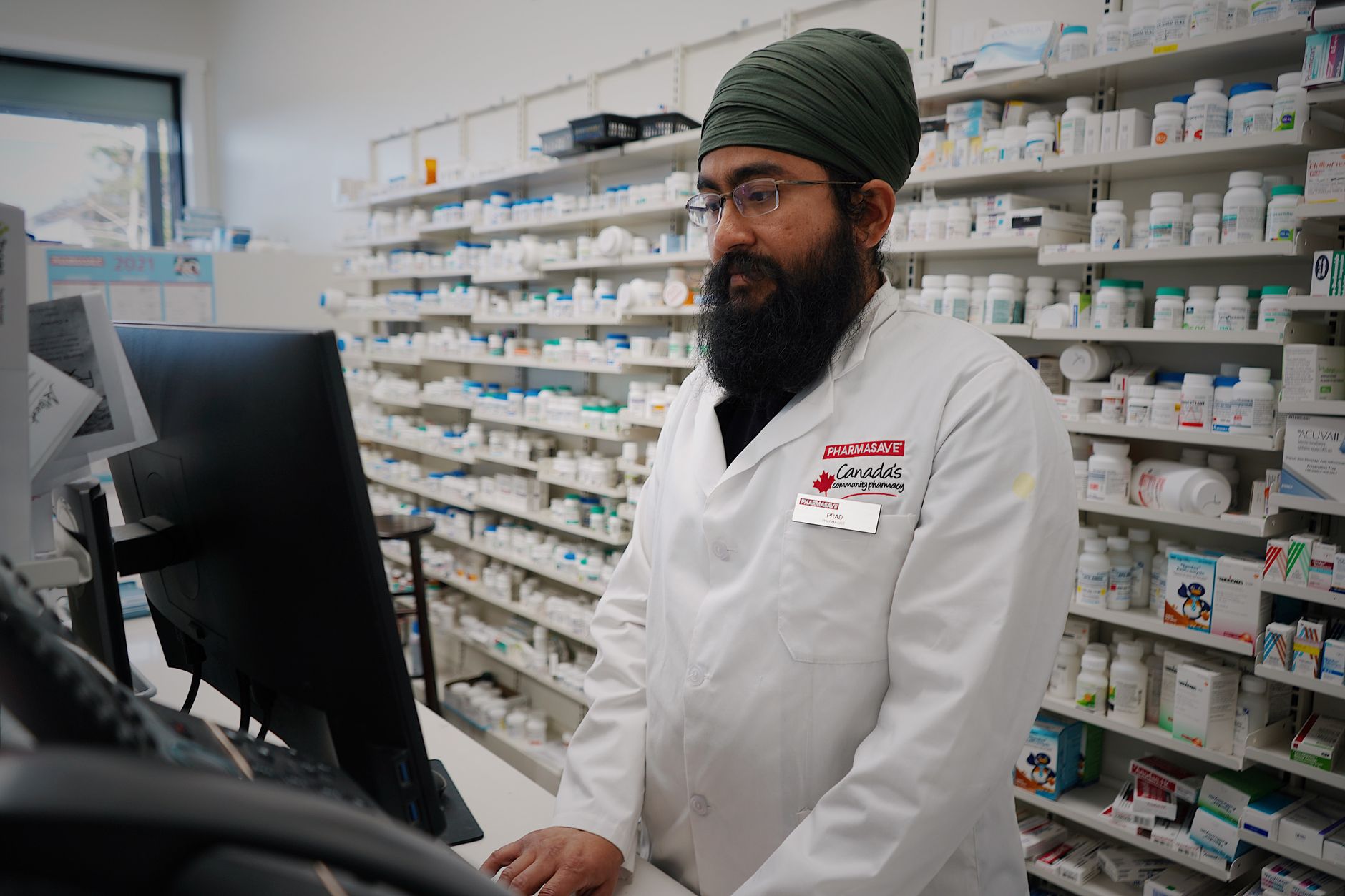
Home › Personal Finance › Average Pharmacist Salary UK 2026: Full Pay Breakdown 📅 April 2026 · ✍️ Chandraketu Tripathi · ⏱ 8 min read Pharmacist SalaryPersonal FinanceCareerUK 2026 A pharmacist in the UK earns a median of approximately £42,000 in 2026. Pay ranges from £24,000 at entry level to £60,504+ at senior level. Here is the complete breakdown by grade, region, and career stage. Pharmacist pay in the UK is shaped by qualification level, experience, sector, and location. This guide gives you accurate benchmarks to evaluate your current salary and plan your next move. | £24kFoundation Year | £52,809Band 7 Top | £100k+Industry Top | IPKey Qualification |
Pharmacist Salary by Grade 2026Here is the full pay grade breakdown for pharmacists in the UK: | Grade / Level | Salary Range |
|---|
| Pre-Registration Pharmacist | £24,000–£30,000 | | Band 6 — Newly Qualified NHS | £37,338–£44,962 | | Band 7 — Clinical / Specialist | £46,148–£52,809 | | Band 8a — Advanced / Consultant | £53,755–£60,504 | | Community Pharmacist — Multiple Sites | £45,000–£65,000 | | Pharmaceutical Industry | £55,000–£100,000+ |
📊 London Premium: Pharmacists working in London typically earn £5,000 or more above the national equivalent — reflecting higher cost of living and concentration of senior employers in the capital. Pharmacist Salary by Region 2026There is significant regional variation in pharmacist salaries across the UK: | Region | Typical Salary Range |
|---|
| London NHS | Band 6 start £43,807 with weighting | | NHS Outside London | Band 6 start £37,338 | | Community Pharmacy — London | £40,000–£65,000 employed | | Community Pharmacy — Regional | £35,000–£55,000 employed | | Pharmaceutical Industry | £45,000–£100,000+ medical affairs / clinical research | | GP Practice Pharmacist | Band 7–8a — NHSE-funded primary care roles |
⚠️ Data Note: All figures are approximate based on ONS ASHE data, sector surveys, and current job postings. Cross-reference with live postings for your specific location and seniority. Career Progression — How Pay Grows1 | MPharm Degree (4 years) 4-year integrated master's at a GPhC-accredited school. |
2 | Foundation Year (1 year) Pre-registration training in hospital or community. GPhC registration on passing. |
3 | Choose Your Sector NHS hospital, community pharmacy, primary care, or pharmaceutical industry — each has a different salary profile. |
4 | Specialise Clinically Oncology, critical care, antimicrobials, mental health — leads to Band 7 and 8 roles. |
5 | Independent Prescriber Qualification IP qualification adds £3,000–£8,000 to salary and opens GP practice and advanced clinical roles. |
GP Practice Pharmacist — Growing DemandNHSE-funded roles at Band 7–8a (£46,000–£60,000) with better working patterns than hospital or community pharmacy. Clinical pharmacists in GP practices conduct medication reviews and manage long-term conditions — a rapidly growing and well-regarded specialism. Independent Prescriber — The Earnings MultiplierIP qualification allows pharmacists to prescribe for any condition within their competence. Opens senior clinical roles and commands a premium of £3,000–£8,000 above non-prescribing equivalents at comparable seniority. Pharmaceutical Industry — Highest-Paying SectorMedical affairs, clinical research, pharmacovigilance, and regulatory affairs roles typically pay £55,000–£100,000+ — significantly above NHS pharmacy equivalents with better work-life balance. How to Earn More as a PharmacistThe most effective routes to higher pharmacist earnings: gaining specialist qualifications in high-demand areas; switching employers strategically (job-switchers earn 10–15% more on average); negotiating proactively with market data; taking on additional responsibilities; and considering contracting or self-employment where applicable. ✅ Negotiation Tip: Research your market rate using ONS ASHE data and current live job postings before any salary conversation. Frame it as market alignment: 'Based on current market data for a pharmacist with my experience in this region, the market rate is £X.' This consistently outperforms asking based on personal need. Our VerdictPharmacist salaries have improved with the expansion of clinical pharmacy in primary care. The highest-earning NHS pharmacists are clinical specialists with independent prescriber status at Band 8. Pharmaceutical industry roles offer the highest total compensation for pharmacists willing to move from direct patient care. Frequently Asked QuestionsWhat is the average pharmacist salary UK 2026?NHS Band 6 newly qualified: £37,338–£44,962. Band 7 clinical specialist: £46,148–£52,809. Industry: £45,000–£100,000+. Is pharmacy a good career financially UK?Yes — particularly for those who specialise clinically or move into the pharmaceutical industry. Independent prescriber qualification significantly increases NHS earnings. What is the highest paid pharmacist job UK?Pharmaceutical industry roles (medical affairs, clinical research) typically pay £55,000–£100,000+. Consultant pharmacists at Band 8b–c earn £62,000–£80,000+ in NHS. CT | Chandraketu Tripathi22 years in global marketing & finance. LBS Sloan Fellow. Writing about UK money, tax and consumer rights. |
Disclaimer: For informational purposes only. Verify with official sources such as gov.uk and ONS before making decisions. Last updated: April 2026 · Author: Chandraketu Tripathi · Kaeltripton |