Bank of England Base Rate April 2026 — Will It Rise, Fall or Hold?Updated April 2026 | Kaeltripton.com The Bank of England's next interest rate decision is on 30 April 2026. Before the Iran war began in late February, markets had priced in two rate cuts for 2026. That outlook has completely reversed. Here is the full picture — what the Bank is likely to do, what economists are forecasting, and what it means for your savings, mortgage and debt.
Current position:
🏦 Current base rate: 3.75% 📅 Next decision: 30 April 2026 📊 Market expectation: Hold at 3.75% (90% of economists) ⚠️ Risk: Rate rise possible by June-July 2026 💰 CPI inflation: 3.0% (Feb 2026, expected to rise to 3.5% by Q3) What Changed — From Cuts to Possible HikesBefore the Middle East conflict began, the Bank of England had cut rates six times since August 2024, bringing the base rate from 5.25% down to 3.75%. Further cuts in 2026 seemed near-certain. Then on 28 February 2026, US-Israeli strikes against Iran began. Within weeks, the entire outlook reversed:
What Are Economists Forecasting?JP Morgan: Predicts one rate rise in June 2026. Chief UK economist Allan Monks noted the April meeting is too soon for a majority to develop for a hike. National Institute of Economic and Social Research: If oil and gas prices rise 30-50% and stay high for a year, base rate could reach 4.5%. Reuters poll: 45 of 50 economists expect a hold on 30 April. Five expect a 25bp hike. Oxford Economics: Base case is a hold all year at 3.75%, with rates stable at 5-5.5% for mortgages. What the Bank of England Has SaidGovernor Andrew Bailey stated at the March meeting: "Holding Bank Rate at this meeting is appropriate. I will be monitoring developments extremely closely and stand ready to act as necessary." The MPC warned of "second-round effects" — where higher energy costs feed into wages and prices more broadly, embedding inflation in the economy. The Bank noted CPI inflation is now likely to be between 3% and 3.5% in Q2 and Q3 2026, significantly higher than the pre-conflict forecast of around 2.1%. What Does This Mean for You?Mortgage holders: A hold on 30 April is most likely but does not mean mortgage rates will fall — lenders have already priced in higher risk through swap rates. Tracker and variable rate holders are most exposed to any future hike. Savers: Higher rates for longer is good news for savers. Easy access rates remain competitive. Check our best savings accounts UK guide for the latest top rates. Credit card and loan borrowers: Variable rate debt costs will rise if the base rate is hiked. Focus on paying down high-interest debt before any April or June decision. Verdict: A hold on 30 April is the most likely outcome. But the direction of travel has shifted from cuts to potential hikes — a complete reversal from January's outlook. Monitor the 30 April decision and the Bank's language carefully. If the conflict persists and oil stays above $100, a rate rise before year-end is a real possibility.
This article is for informational purposes only and does not constitute financial advice. Always verify rates with official sources before making any financial decision. Frequently Asked QuestionsQ: What is the Bank of England base rate in April 2026? Q: Will the Bank of England cut rates in 2026? Q: How does the base rate affect my mortgage? |
Bank of England Base Rate April 2026 — Will It Rise, Fall or Hold?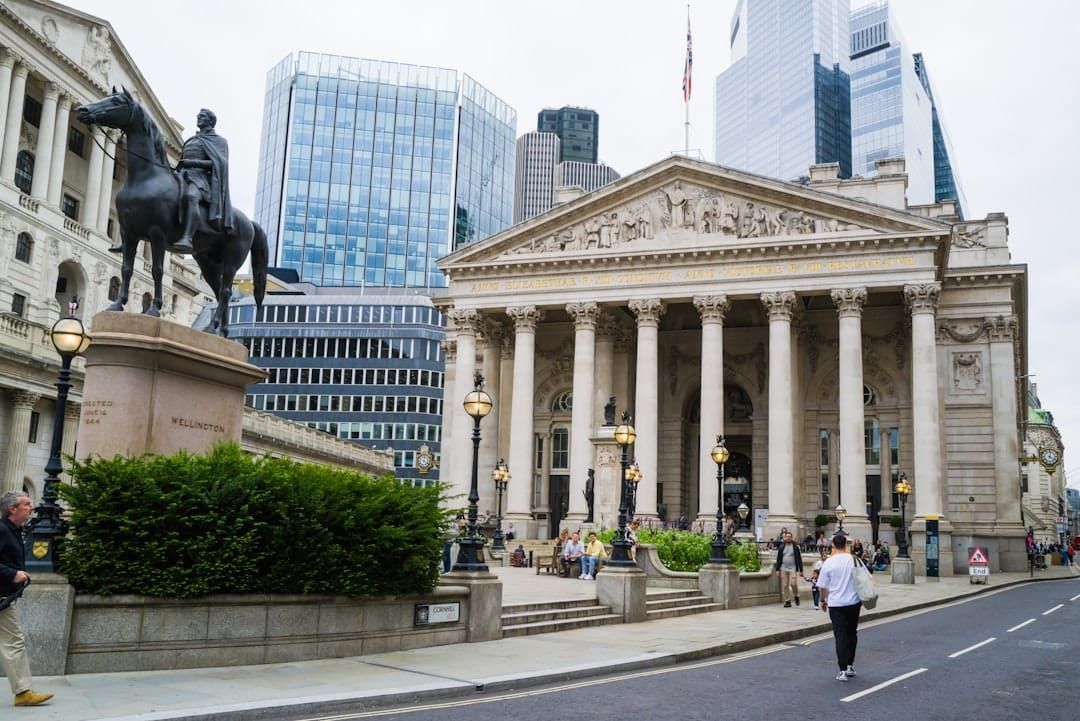
Read More


|
|