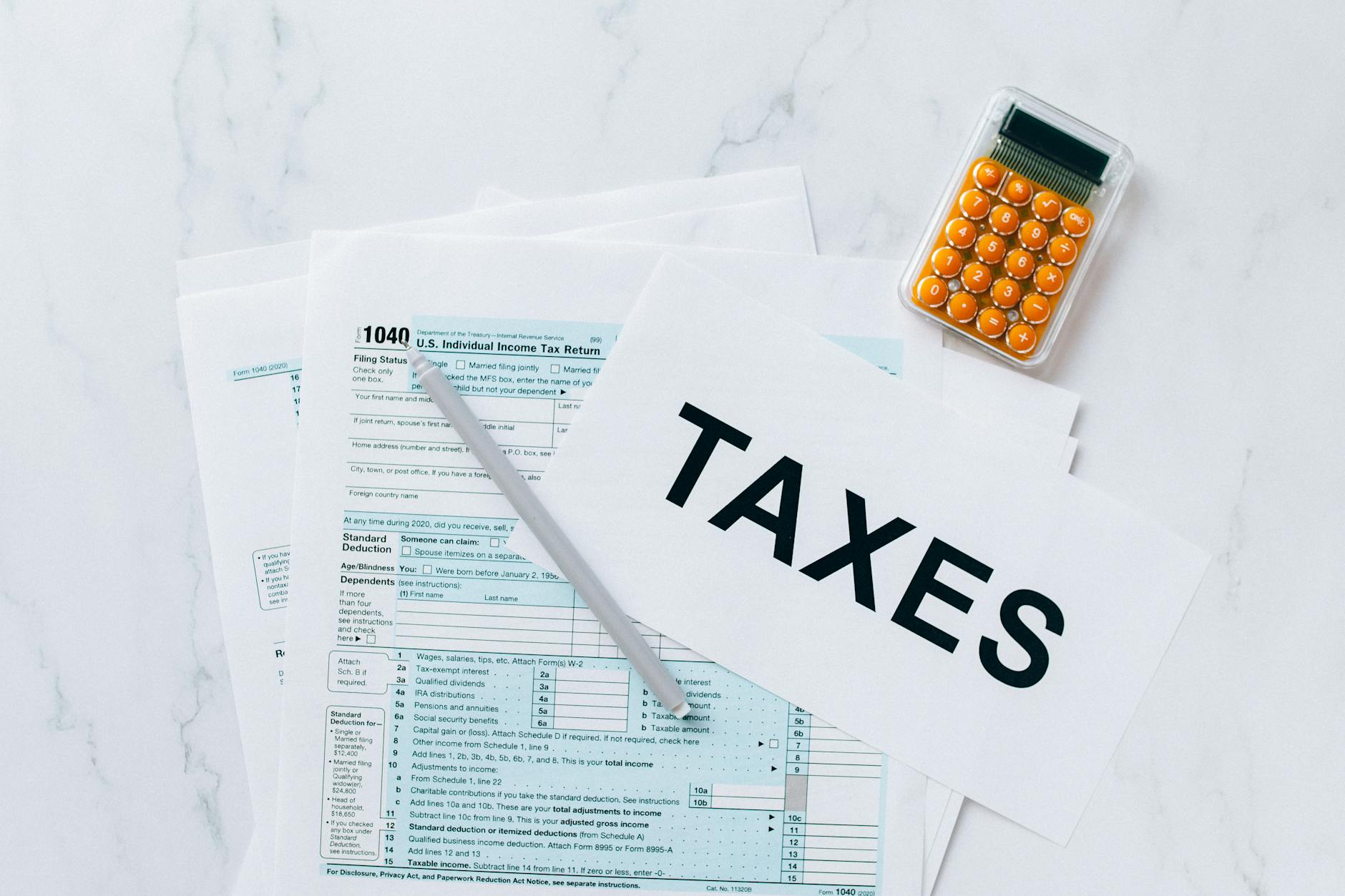
By Chandraketu Tripathi · Updated April 2026 · Fact-checked Tax · April 2026HMRC allows you to make certain gifts completely free of inheritance tax (IHT) during your lifetime. The most widely used is the annual exemption of £3,000 per person per tax year — giving every UK adult the ability to reduce their estate and pass wealth to family while alive, completely free of IHT. Here is a complete guide to all the gifting exemptions available in 2026.
The £3,000 Annual Exemption — Key RulesEach person can give away up to £3,000 per tax year completely free of inheritance tax. This can be given to one person or split between several people in any way you choose. If you do not use your full allowance in one tax year, the unused amount carries forward to the next year — but only for one year. A couple who have not used their exemptions for one year can each give away £6,000 tax-free, for a combined household gift of £12,000. The annual exemption runs from 6 April to 5 April each year. The 2026/27 tax year started on 6 April 2026 — making now a good time to use this year's £3,000 allowance and, if applicable, carry forward last year's unused amount. Regular Gifts from Surplus Income — The Powerful ExemptionOne of the most valuable but overlooked IHT exemptions applies to regular gifts made from surplus income. If you can demonstrate that gifts are: made regularly (as part of a consistent pattern), funded from income rather than capital, and leave you with sufficient income to maintain your normal standard of living — they are immediately exempt from IHT with no upper limit and no seven-year rule. For a retiree with a generous pension paying £30,000/year who only needs £20,000 to live comfortably, gifting £10,000 per year to children from income surplus — if done regularly and documented — is immediately outside the estate. Over 10 years this removes £100,000 from the estate completely tax-free. 💡 Keep records of every gift you make — date, amount, recipient and whether it was from income or capital. When you die, your executors will need to complete an IHT return covering gifts made in the last 7 years. Good records make this straightforward and ensure exemptions are properly claimed. HMRC does not need to be notified of gifts during your lifetime — only at the time of death. ⭐ OUR VERDICT The annual £3,000 gift exemption should be used every year by anyone with an estate above the IHT threshold. It costs nothing, requires no professional advice and immediately reduces your IHT exposure. Combine it with regular gifts from surplus income (immediately exempt, no limit), wedding gift allowances when family members marry, and the seven-year rule for larger gifts to build a comprehensive IHT gifting strategy. Seek regulated advice for estates above £500,000 where the pension IHT changes from April 2027 also need to be factored in. Frequently Asked QuestionsHow much can I give tax-free to family in 2026? You can give up to £3,000 per tax year completely free of inheritance tax using the annual exemption. In addition, you can give £250 to as many individuals as you like (small gift exemption), and make regular gifts from surplus income with no upper limit. Larger gifts above these exemptions may be subject to IHT if you die within 7 years. Can I carry forward my gift allowance? Yes — if you do not use your full £3,000 annual exemption in one tax year, the unused amount carries forward to the next year but only for one year. You cannot accumulate unused exemptions for more than one year. Couples can each carry forward their own unused allowance independently. Do I need to tell HMRC about gifts I make? No — you do not need to notify HMRC about gifts during your lifetime. However, your executors must declare gifts made in the 7 years before your death on the IHT return submitted after you die. Keeping records of all gifts (dates, amounts, recipients) makes this process straightforward. Does giving money to my child count as income for them? No. Gifts are not income for the recipient and do not need to be declared by them on a tax return. There are no income tax implications for receiving a cash gift, regardless of the amount. However, any investment returns generated by a gift from a parent to a child under 18 are taxed as the parent's income if they exceed £100 per year. |
HMRC £3,000 Gift Allowance 2026: How to Give Tax-Free & What Counts
|
|