|
Taxing your car online in the UK takes about five minutes once you have the right reference number. Yet more than 2 million drivers every year end up with a fine because they either let tax lapse, tried to tax a vehicle they no longer owned, or hit a roadblock at the payment stage. This walkthrough takes you from V11 reminder to confirmation email, then covers every edge case the gov.uk service does not explain: Direct Debit timings, taxing a car with no V5C, taxing as the new keeper, Northern Ireland differences, motorcycle and van specifics, and what to do if your reminder never arrives.
What you need before you start?To tax a car online through gov.uk/vehicle-tax you need one of three reference numbers from a document DVLA has sent you or the seller has handed over:
You also need a valid method of payment: debit or credit card, or UK bank account details if setting up Direct Debit. Insurance does not need to be shown because DVLA cross-checks the Motor Insurance Database automatically, but your car must be insured, MOT-valid if over three years old, and registered in your name or the seller's for a V5C/2 transfer. A common friction point is the document reference itself. The reference is not the same as your number plate. It is a numeric string printed on the logbook or reminder. If the service returns "we could not find your vehicle", 9 times out of 10 the driver has typed the wrong field. The V5C uses an 11-digit reference; the V11 uses 16 digits; the V5C/2 uses 12 digits. Check the length before you submit. How does step work in the UK?The gov.uk service is the only legitimate way to tax a vehicle online. Ignore any site charging an admin fee or claiming to be an authorised agent. The process takes most drivers under five minutes.
A valid confirmation email will come from a no-reply DVLA address ending in @dvla.gov.uk. If it comes from anywhere else, the payment went through a third-party site, not the official service. Contact your bank and file a Section 75 claim immediately. How much does UK car tax cost in 2026?Vehicle Excise Duty (VED) rates depend on when the car was first registered, its CO2 emissions, and fuel type. Rates for 2026 were confirmed in the Spring Statement and apply from 1 April 2026. Source: DVLA V149 rates tables, effective 1 April 2026. Check your exact rate with the reg plate lookup on gov.uk. Cars first registered between 1 March 2001 and 31 March 2017 are taxed on CO2 bands (A to M) and rates range from £0 (Band A, under 100g/km) to £735 (Band M, over 255g/km). Cars registered before March 2001 are taxed by engine size: £220 for up to 1549cc, £360 for over 1549cc. The simplest way to verify your exact band is to enter your number plate into the DVLA vehicle enquiry service - it returns the band, the current rate, and the expiry date for free. Direct Debit: how monthly car tax payments workDirect Debit is the most common option for drivers who would rather spread the cost. DVLA offers three frequencies: single annual payment (no surcharge), 6-monthly (5% surcharge applied twice) and monthly (5% surcharge over twelve instalments). A car taxed at £195 standard costs £204.75 by monthly DD, a £9.75 premium over paying annually up front. The Direct Debit renews automatically each year. DVLA emails you 4 weeks before the renewal date. If your bank account changes or the car is sold, you must cancel the DD: it does not lapse by itself, and trying to tax a sold car you still pay for triggers "vehicle already taxed" errors for the new keeper. To set up Direct Debit you need a UK bank account number and sort code, a bank that accepts Direct Debit instructions (almost all do), and permission to authorise payments on that account. Joint accounts need only one signature. Building society passbook accounts and some digital-only accounts (e.g. certain pre-paid e-money cards) cannot host Direct Debits. Four edge cases worth knowing:
Special cases - what to do if the standard process failsNo V5C, no V11, no V5C/2. You cannot tax the car online. You must apply for a replacement V5C using form V62 (£25 fee, 2 to 4 weeks to arrive) and then use it. In the meantime, SORN the vehicle to avoid daily fines. SORN is free and can be done online or by phone. New keeper after buying a used car. Use the V5C/2 green slip the seller handed you. Tax starts from the 1st of the month of purchase: you cannot backdate or skip the first month. If the seller did not give you a green slip, request one via V62. Do not drive the car until tax is in place, even for the short journey home from the seller. Vehicle registered in Northern Ireland. Same gov.uk service since 2014. You also need a valid MOT if applicable, and your vehicle insurance must be recognised on the UK Motor Insurance Database. The DVA Northern Ireland tax office no longer processes vehicle tax: it is handled by DVLA Swansea like the rest of the UK. Northern Ireland drivers historically needed to show paper insurance certificates at a Post Office; that requirement ended on 21 December 2014. Tax disc expired more than 14 days ago. You must not drive the car until it is taxed. Driving an untaxed vehicle on a public road carries an £80 on-the-spot fine. If you do not intend to drive the car, SORN it and tax resumes only when you re-tax. Recently imported car. You need a V55/5 registration from DVLA before the vehicle can be taxed. This process takes 4 to 6 weeks. During that time the car cannot legally drive on UK roads. Motorcycle or moped. Motorcycles use the same service with the same reference numbers. Rates are significantly lower and based on engine capacity (cc) rather than emissions. Company car or leased vehicle. The leasing company or fleet manager handles tax. Do not attempt to tax a leased vehicle yourself: you are not the registered keeper on the V5C, and the service will refuse the reference. Each of these cases has its own dedicated guide in our UK Vehicle Tax hub: see {{BRANCH_NI_GUIDE}}, {{BRANCH_NEW_KEEPER}}, {{BRANCH_NO_V5C}}, and {{BRANCH_CHECK_TAXED}} for the full walkthroughs. Real-world scenario: used car bought on a Friday eveningYou buy a used car on a Friday at 6pm. The seller hands over the V5C/2 green slip and keeps the main V5C to post to DVLA. You want to drive the car home, 40 miles away. Here is the exact correct sequence:
What does not work: paying on Monday when you are back at home. By then, you will have driven the car on at least one road trip untaxed, which is a technical offence even though enforcement is unlikely to catch you. Better to spend 3 minutes on your phone before leaving. Common mistakes that cost drivers moneyFour errors account for most UK vehicle tax fines each year according to DVLA enforcement data:
Two less-obvious mistakes also worth flagging: failing to SORN a car you are not using (tax keeps accruing if you pay DD), and taxing based on the V5C of a car you are about to sell (refund logic treats unused months as credit to the seller, not the buyer, so timing matters). How enforcement actually works - what triggers a fineVehicle tax enforcement in the UK is automated and relies almost entirely on Automatic Number Plate Recognition (ANPR) cameras. The DVLA shares its live tax database with police forces and the DVLA's own enforcement team. When a camera captures a plate, the system checks the tax status within milliseconds. If the car is untaxed and on a public road, the system flags it and a Late Licensing Penalty (LLP) is issued automatically to the registered keeper within days. There are three enforcement tiers:
SORN (Statutory Off Road Notification) is the correct answer when you are not using the car. SORN is free, can be done online, and pauses the enforcement clock indefinitely. You cannot drive a SORN'd vehicle on public roads under any circumstance, including to an MOT appointment; the journey must be arranged with the car on a trailer or loaded into a transporter. What to do if your V11 reminder never arrivesIf you expected a V11 and did not get one at least 2 weeks before expiry, check three things in order. First, confirm your address on the V5C logbook: DVLA posts to the address on the logbook, not your most recent one. If wrong, update it online via the V5C update service. Second, tax the vehicle anyway using the V5C document reference number. Third, if you cannot find the V5C, apply for a duplicate via V62 and SORN the vehicle in the meantime to avoid the enforcement fine clock. DVLA does not issue replacement V11s. The V11 is just a reminder, not a legal requirement to tax. You can always tax without it as long as you have the V5C or V5C/2. Northern Ireland drivers: the key differencesSince October 2014, Northern Ireland drivers use exactly the same gov.uk/vehicle-tax service as drivers elsewhere in the UK. But a few NI-specific things catch people out:
This article is for informational purposes only and does not constitute financial advice. Always verify rates with official sources before making any financial decision. Frequently asked questionsCan I tax my car without a V5C or V11?Only if you have a V5C/2 green slip from the previous owner. If you have none of the three, you must apply for a replacement V5C using form V62 (£25, posted to DVLA Swansea) before you can tax online. SORN the vehicle while you wait, or you risk a daily enforcement fine. How long does it take to tax a car online?Five minutes on average. DVLA confirms the transaction within 30 seconds of payment. The car is legally taxed from the start date you entered during the transaction, even before ANPR cameras recognise the record (typically 24 hours). Does paying by Direct Debit cost more?Yes, unless you choose the annual DD option. Monthly and 6-monthly DD carry a 5% surcharge on each instalment. An annual DD is the same price as paying upfront by card. For a £195 standard car, monthly DD costs £204.75 a year total, a £9.75 premium. I sold my car but DD is still taking payment - can I get a refund?Yes. DVLA refunds any full months of unused tax automatically once the change of keeper is registered via the V5C. Refund cheques go to the address on the old V5C, so keep the address updated. Tell DVLA about the sale online immediately to stop the DD. What happens if I drive without tax?ANPR cameras detect untaxed vehicles in seconds. The initial fine is £80 (£40 if paid within 28 days). Repeat or ignored offences escalate to court with fines up to £1,000, plus the vehicle may be clamped or impounded. Insurance is unaffected, but the record shows on the vehicle's history. Is the process different in Northern Ireland?No, since 2014 Northern Ireland uses the same gov.uk/vehicle-tax service. However, your MOT (if applicable) must be on record with DVA and insurance must cover NI. These are cross-checked by DVLA Swansea automatically. Can I tax a motorcycle the same way?Yes. Motorcycles use the same gov.uk/vehicle-tax service. Rates are lower and based on engine size, from £25 a year (up to 150cc) to £121 (over 600cc). Mopeds and scooters under 150cc pay the lowest rate. What if I change my mind after taxing?You can cancel the tax at any time online. DVLA refunds any full unused months automatically, with a cheque sent to the V5C registered address within 2 to 6 weeks. Partial months are not refunded. Sources and verification
|
How to Tax Your Car Online UK 2026: Full WalkthroughComplete 2026 guide to taxing your car online in the UK. Covers the gov.uk process step-by-step, what you need, costs, Direct Debit, mistakes to avoid, enforcement, and special cases for Northern Ireland, motorbikes and new keepers. 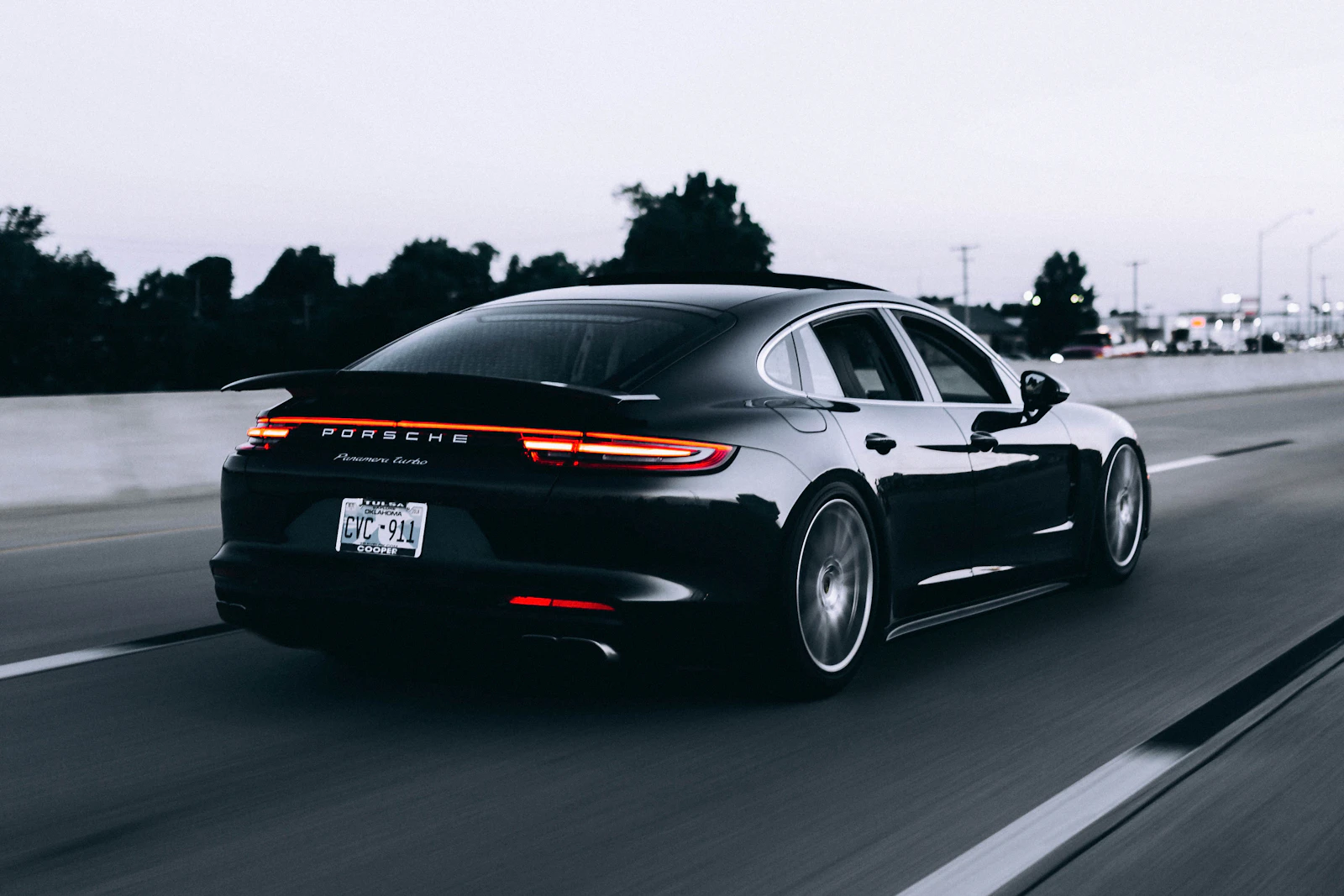
UK car driving on open road
Editorial Disclaimer The content on Kaeltripton.com is for informational and educational purposes only and does not constitute financial, investment, tax, legal or regulatory advice. Kaeltripton.com is not authorised or regulated by the Financial Conduct Authority (FCA) and is not a financial adviser, mortgage broker, insurance intermediary or investment firm. Nothing on this site should be construed as a personal recommendation. Rates, figures and product details are indicative only, subject to change without notice, and should always be verified directly with the relevant provider, HMRC, the FCA register, the Bank of England, Ofgem or other appropriate authority before any financial decision is made. Past performance is not a reliable indicator of future results. If you require regulated financial advice, please consult a qualified adviser authorised by the FCA. 
|


