
In February 2025, Shopify faced significant controversy after Kanye West's online store, hosted on their platform, began selling T-shirts featuring a swastika design. This incident not only raised questions about Shopify's content moderation policies but also highlighted the challenges e-commerce platforms face in balancing free expression with community standards.
The Controversy Unfolds
Kanye West, under his brand Yeezy, launched a white T-shirt prominently displaying a swastika, a symbol universally associated with Nazi ideology and anti-Semitism. The timing was particularly provocative, as the launch coincided with a Super Bowl advertisement promoting the product. The ad aired on several Fox affiliates, including those in major cities like Los Angeles and Philadelphia, directing millions to the Yeezy website. Upon visiting, users were met with the offensive merchandise, leading to immediate public backlash.
Shopify's Response
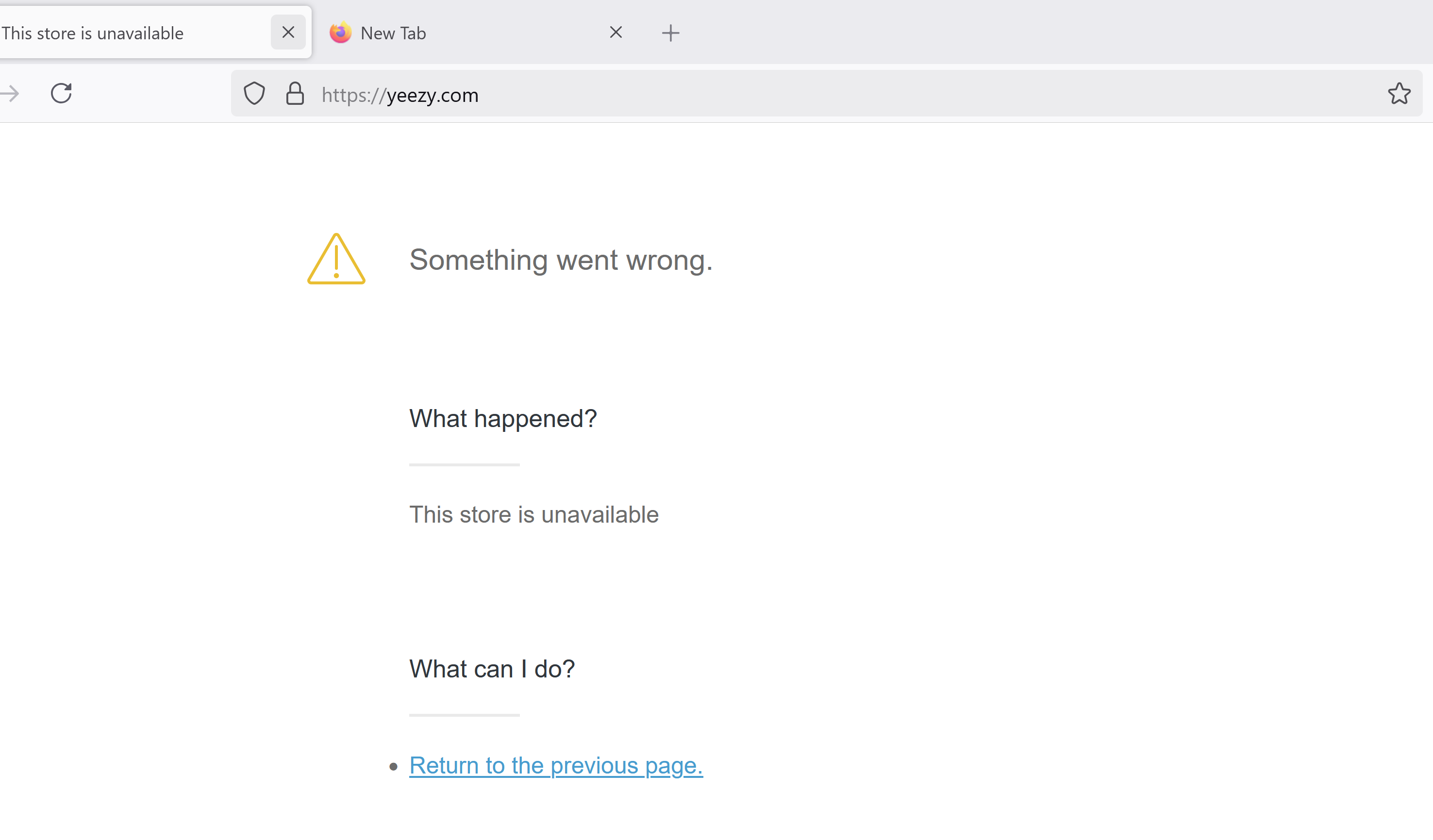
Initially, Shopify remained silent on the matter, instructing its support staff to offer "no comment" when questioned about the Yeezy store's controversial product. However, as the situation escalated and public outrage grew, Shopify took decisive action. The company removed the Yeezy store from its platform, citing violations of its terms of service. A spokesperson for Shopify stated, "This merchant did not engage in authentic commerce practices and violated our terms, so we removed them from Shopify."

Historical Context and Previous Controversies
This wasn't the first time Shopify found itself at the center of debates over the content it hosts. In 2017, the company faced criticism for allowing Breitbart News to operate a store on its platform. Despite public pressure, Shopify's CEO, Tobias Lütke, defended the decision, emphasizing the importance of free speech and stating that refusing service would violate those principles.
More recently, in 2024, Shopify was scrutinized for hosting stores selling merchandise that denied the Holocaust, a stance that is illegal in Canada. The Anti-Defamation League and other organizations criticized Shopify for permitting such content, arguing that it facilitated the spread of hate and misinformation.
Balancing Free Speech and Platform Responsibility
The recurring theme in these controversies is the tension between upholding free speech and enforcing community standards. E-commerce platforms like Shopify operate globally, serving a diverse user base with varying cultural norms and legal frameworks. Determining what constitutes acceptable content becomes a complex challenge.
In the case of Kanye West's swastika T-shirt, the decision to remove the store aligns with a broader societal consensus that symbols of hate and bigotry have no place in commerce. However, previous instances, such as the Breitbart controversy, illustrate that the boundaries of acceptable content are often subjective and contentious.
The Role of Public Pressure
Public reaction plays a significant role in how companies respond to such incidents. In the Yeezy case, widespread condemnation from various quarters, including social media users, advocacy groups, and the general public, likely influenced Shopify's decision to act swiftly. This underscores the power of collective voices in holding corporations accountable for the content they enable and profit from.
Implications for E-commerce Platforms
The Yeezy incident serves as a cautionary tale for e-commerce platforms about the importance of proactive content moderation. Allowing offensive or harmful content can lead to reputational damage, loss of user trust, and potential legal consequences.
Platforms must develop clear policies that delineate acceptable content and implement robust monitoring systems to enforce these guidelines. Transparency in decision-making processes and responsiveness to public concerns are also crucial in maintaining credibility and user confidence.
Conclusion
The removal of Kanye West's Yeezy store by Shopify highlights the ongoing challenges e-commerce platforms face in moderating content. Balancing the principles of free expression with the responsibility to prevent harm is a delicate act. As digital commerce continues to evolve, platforms must navigate these complexities thoughtfully, ensuring they provide spaces that are both open and respectful to all users.
Part of our complete guide:
