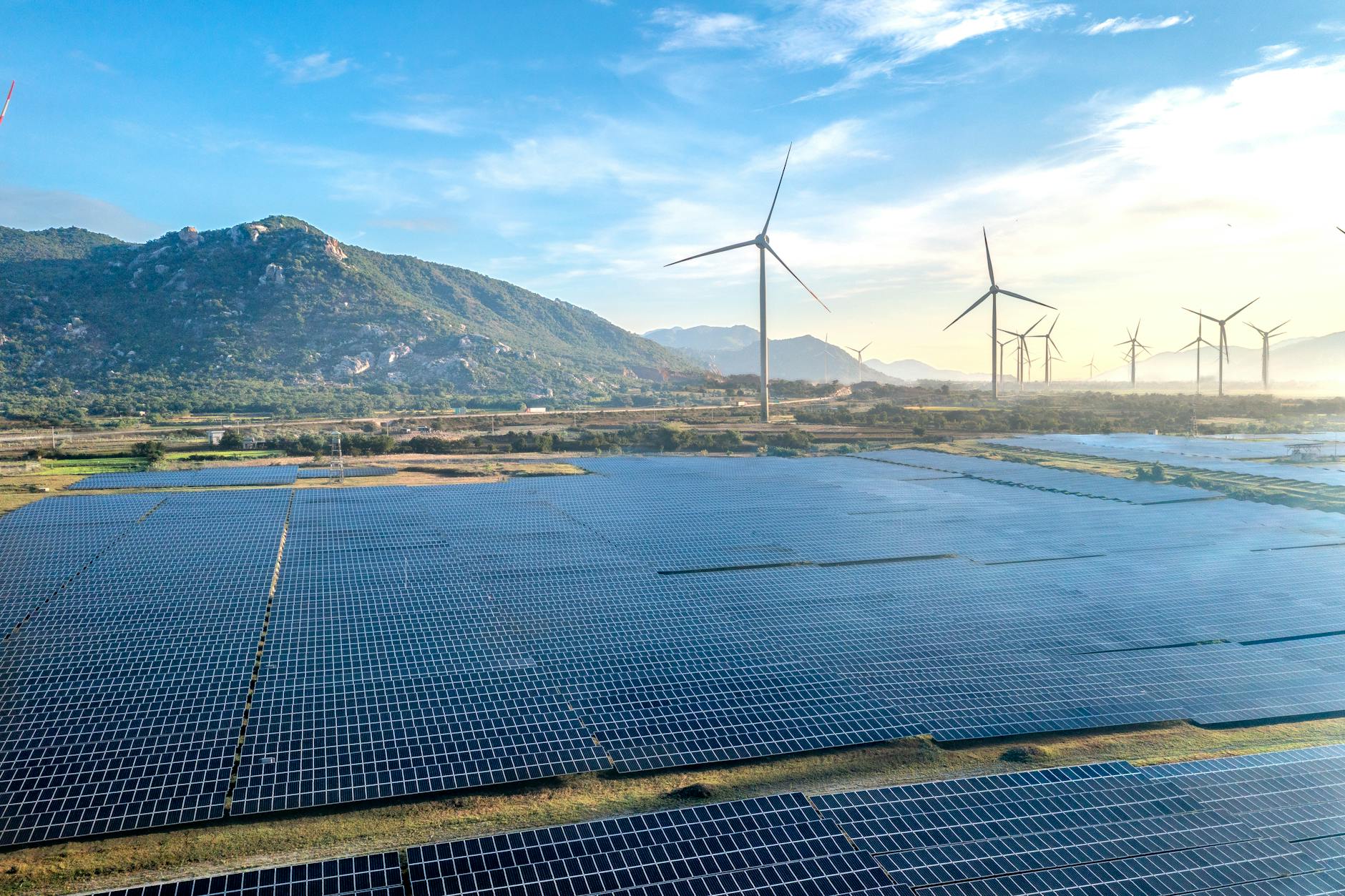
Good Energy is an Ofgem-licensed UK electricity and gas supplier specialising in 100% renewable electricity sourced from UK generators. It owns wind and solar generation assets and operates a feed-in tariff and Smart Export Guarantee export service for home generators. The Energy Ombudsman handles unresolved complaints. Good Energy is a member of Energy UK (Ofgem, Smart Export Guarantee, Energy Ombudsman, 2026). |
Last reviewed: 17 May 2026 | Chandraketu Tripathi, finance editor
Suppliers · Good Energy
- Trading and corporate name: Good Energy Group PLC. Founded 2003. Head office: Chippenham, Wiltshire.
- Listing: traded on London Stock Exchange AIM market; 2025 takeover activity affected listing status (verify current position at Companies House and LSE).
- Customer base: circa 200,000 to 280,000 UK households.
- Proposition: 100 percent renewable electricity via direct PPAs with UK generators plus REGO certification; certified B-Corporation.
- Schemes operated: Microgenerator Buying Scheme for small generators (within Smart Export Guarantee framework). Tariff suite: Good Energy Variable, Good Energy Fixed, EV Driver bundle.
Good Energy is a UK domestic energy supplier founded in 2003 and headquartered in Chippenham, Wiltshire. The corporate entity is Good Energy Group PLC, which traded on the AIM market of the London Stock Exchange for two decades and was the subject of takeover activity in 2025 that affected the listing status; readers should consult the current LSE position and the Companies House record for the live picture. The supplier's proposition is built explicitly around 100 percent renewable electricity backed by direct Power Purchase Agreements with UK renewable generators (rather than solely by REGO certificates), a Microgenerator Buying Scheme that purchases output from small-scale generators, and certified B-Corporation status. This review describes the tariff structure, customer service track record against primary-source published data, switching specifics, price cap protection, the supply chain backing the renewable claim, and the corporate structure as filed at Companies House and disclosed in regulatory filings.
Tariffs available on the Good Energy in 2026

Good Energy's published tariff suite in 2026 has historically included variable, fixed-term and an EV-driver bundle. Unit rates and standing charges are positioned within the Ofgem default tariff cap headroom; the supplier's pricing reflects the cost of its direct PPA supply chain rather than purely the wholesale spot market.
Good Energy Variable. The standard variable tariff for electricity and gas customers, with the unit rate and standing charge sitting within the Ofgem default tariff cap for the customer's region and payment method. Repricing follows the supplier's commercial decisions within the cap.
Good Energy Fixed. Fixed-term contracts that lock unit rate and standing charge for the contract length (typically 12 months). Exit fees apply if a customer switches before contract end, except in the final 49 days of the fixed term, during which Ofgem rules forbid an exit fee.
EV Driver bundle. A bundle aimed at customers with an electric vehicle, with structures that may include preferential rates for overnight charging or for customers also using Good Energy's electric vehicle services. The exact bundle composition and rate structure are published on the supplier's tariff schedule and should be verified directly.
Microgenerator buying. Distinct from a retail tariff but central to the supplier's proposition, Good Energy operates a Microgenerator Buying Scheme through which households with rooftop solar PV, micro-wind or micro-hydro can sell electricity back to Good Energy. The scheme is positioned alongside the broader Smart Export Guarantee (SEG) framework, which all licensed UK suppliers with more than 150,000 customer accounts must offer; Good Energy's microgenerator pricing and contract terms are published on the supplier's website and should be compared on a like-for-like basis against other SEG tariffs.
Dual-fuel, electricity-only and payment methods. Both electricity and gas are supplied, including dual-fuel and electricity-only options. The gas supply is not renewable in the way the electricity supply is; gas is supplied through the standard UK gas network with a portion of green gas (biomethane) where available. Direct debit, variable direct debit and prepayment are supported, with prepayment customers covered by Ofgem's separate prepayment cap.
Live unit rates and standing charges are not quoted in this review because they rebase quarterly. The supplier publishes the current schedule on its own website, and the Ofgem default tariff cap is at ofgem.gov.uk.
Customer service track record
The three primary-source data points for any UK domestic energy supplier's service record are Ofgem's quarterly complaints publication, the Citizens Advice five-star quarterly rating, and the Energy Ombudsman annual case data. All three are public.
Ofgem complaints data. Ofgem publishes complaints per 100,000 customer accounts each quarter for suppliers above the minimum customer threshold. Good Energy's reported volumes have generally sat in the lower range of the published table over multiple recent quarters, reflecting a smaller and more engaged customer base than mass-market suppliers, though readers should consult the current quarter directly on ofgem.gov.uk because the picture rebases each quarter.
Citizens Advice star rating. Citizens Advice publishes a quarterly five-star rating scoring complaint handling, ease of contact, billing accuracy, customer guarantees and switching. Good Energy has historically appeared in the upper end of the supplier table for several quarters, reflecting the typical service profile of specialist suppliers serving a self-selecting customer base. The current rating and methodology are published at citizensadvice.org.uk under the energy supplier comparison tables.
Energy Ombudsman casework. The Energy Ombudsman accepts complaints once the supplier's own process has been exhausted, a deadlock letter issued, or eight weeks have elapsed since the complaint was first raised. The Ombudsman publishes annual statistical reports at energyombudsman.org giving a multi-year view across suppliers. Good Energy, as a domestic licensed supplier, is covered by the Ombudsman scheme.
The overall pattern from primary sources is one of a specialist supplier with a service profile typical of its scale and customer self-selection, sitting in the upper portion of the Citizens Advice supplier table for the period covered by recent published data.
Switching process specifics
Switching to or from Good Energy follows the standard UK Faster Switching framework operated by Ofgem.
Switch window. The Faster Switching framework targets a five-working-day completion window for domestic energy supply transfers, subject to the 14-day cooling-off period during which the customer may cancel without penalty.
Supply takeover and meter reads. On switch day, the losing supplier issues a final bill against an opening meter read and Good Energy opens the account against the same read (or vice versa on a switch away). SMETS2 smart meters transfer automatically with the supply. SMETS1 meters not yet enrolled with the Data Communications Company may revert to dumb-meter operation on switch until DCC enrolment completes; customers can submit manual reads through the supplier's online account during this transition.
Final bill timing. Ofgem rules require the losing supplier to issue a final bill within six weeks of the switch date and to refund any credit balance within ten working days of that bill. If either deadline is missed, the customer can escalate to the Energy Ombudsman.
Fixed-term exit fees. Customers on Good Energy Fixed face the published exit fee if leaving before contract end, except in the final 49 days of the fixed term. Variable tariff customers carry no exit fee.
Microgenerator transition. Households with both supply from Good Energy and an export contract through the Good Energy Microgenerator Buying Scheme should note that the two contracts are distinct. Switching the import (supply) side does not automatically terminate the export side; conversely, ending the export side does not terminate the import side. Customers should confirm in writing which contract they intend to move when switching.
| KT | Kaeltripton Partner Programme |
Take a Featured Partner placement on Kaeltripton's UK energy hub and reach UK homeowners at the moment they decide they need help. Gas Safe, MCS or TrustMark authorisation verified before activation.
See partnership tiers →Price cap protection and standing charge approach
Ofgem's default tariff cap is updated quarterly and caps the maximum unit rate and standing charge on a standard variable tariff for the customer's region and payment method.
Good Energy Variable is subject to the default tariff cap and the supplier cannot charge above the cap level. Specialist renewable suppliers with direct PPA supply chains have historically priced closer to the cap ceiling than discount mass-market suppliers; the supplier's published rationale for this is that direct PPA contracts with named UK generators carry pricing terms that differ from spot wholesale procurement, and the renewable supply chain is a cost as well as a credential. Customers selecting Good Energy on its renewable proposition are typically aware that a green specialist supplier is not the cheapest-on-paper option at any given moment.
Good Energy Fixed contracts are not subject to the default tariff cap during the fixed term because the customer has agreed a defined price for a defined period. The cap applies on roll-over to standard variable.
The standing charge structure has at times been positioned closer to balanced (rather than aggressively low) on Good Energy tariffs, reflecting the supplier's exposure to network and policy costs rather than a deliberate low-standing-charge differentiation. The exact split between standing charge and unit rate for a given region is published on the supplier's tariff schedule and on the Ofgem cap publication, both of which should be consulted directly.
Green credentials
Good Energy's renewable credential is structurally different from a REGO-only supplier. The supplier procures electricity through direct Power Purchase Agreements (PPAs) with named UK renewable generators (a portfolio that has historically included wind, solar and hydro generators), and retires the corresponding REGO certificates alongside the physical electricity supply. This double-link (PPA plus REGO from the same generator) is the distinction the supplier draws against suppliers whose renewable claim rests on REGO certificates acquired separately from the underlying electricity.
The Microgenerator Buying Scheme is part of the same supply chain. Households with rooftop solar PV, micro-wind or micro-hydro generation can sign an export contract with Good Energy, and that electricity feeds back into the supplier's retail customer base. The microgenerator buying programme is published on Good Energy's website with current export rates and contract terms, and sits within the wider Smart Export Guarantee (SEG) regulatory framework that all UK licensed suppliers above 150,000 customer accounts must operate.
Good Energy is certified by B Lab as a B-Corporation, having been assessed against the B Lab standard covering governance, workers, community, environment and customers. B-Corp certification is a recurring assessment (typically on a three-year cycle) and the supplier's current certification status can be verified on the B Lab UK directory at bcorporation.uk.
Gas supply is not renewable in the same way as the electricity supply. UK gas is supplied through the national gas transmission and distribution network and the supplier provides a proportion of green gas (biomethane) where available, but a 100 percent renewable gas claim would not stand against the underlying physical network composition. Good Energy's gas position is described in the supplier's own published environmental disclosures and the annual fuel mix and gas mix statements should be consulted for the current breakdown.
Ownership, regulation and structure
Good Energy Group PLC is registered at Companies House with its head office in Chippenham, Wiltshire. The company traded on the AIM market of the London Stock Exchange from 2012 onwards, and was the subject of takeover activity during 2025 that affected the listing position; the current corporate structure and any ongoing or completed change of control should be verified through Companies House and through the LSE Regulatory News Service archive. Annual reports filed during the AIM-listed period are publicly available through the Companies House record and through the historical investor relations archive.
The supplier holds an Ofgem domestic supply licence for electricity and gas, searchable on the public Ofgem register at ofgem.gov.uk including licence categories and any compliance decisions. Ofgem regulates the supply business under the Gas Act 1986 and Electricity Act 1989; the FCA does not regulate domestic energy supply.
Companies House records for Good Energy Group PLC and the operating subsidiaries are at find-and-update.company-information.service.gov.uk. The Microgenerator Buying Scheme is operated under the same group structure and the corresponding contract terms with microgenerator customers are published on the supplier's own website.
As with any retail energy supplier, financial filings should be read alongside Ofgem's Supplier of Last Resort framework, under which Ofgem appoints a replacement supplier if a licensed supplier ceases trading; customer credit balances are protected through that mechanism up to defined limits. The framework applies regardless of any change in corporate ownership at parent level.
|
Editorial Listing Available
From £299/month
A named row in Kaeltripton's UK energy directory plus a mention on this page. Verified trades and suppliers only.
|
Get listed → |
| Editorial note: Kaeltripton.com is an independent editorial publisher and is not authorised by the Financial Conduct Authority, Ofgem, MCS, TrustMark or Gas Safe. This article is for informational purposes only and does not constitute regulated advice. UK energy regulations, prices, tariff caps and grant schemes change without notice. Always verify current requirements directly on GOV.UK, ofgem.gov.uk, mcscertified.com, gassaferegister.co.uk or trustmark.org.uk, and obtain a fixed written quote from a registered tradesperson before committing to work. |
Frequently asked questions
What makes Good Energy's renewable claim different from other suppliers?
Good Energy procures electricity through direct Power Purchase Agreements with named UK renewable generators (wind, solar and hydro), and retires the corresponding Renewable Energy Guarantees of Origin (REGO) certificates alongside the physical electricity. This double-link is structurally different from a renewable claim resting only on REGO certificates acquired separately from the underlying electricity. The current PPA portfolio and fuel mix are published on the supplier's website.
What is the Good Energy Microgenerator Buying Scheme?
The Microgenerator Buying Scheme purchases electricity from small-scale UK generators (rooftop solar photovoltaic, micro-wind, micro-hydro), feeding it back into Good Energy's retail customer base. The scheme sits within the wider Smart Export Guarantee (SEG) regulatory framework that all UK licensed suppliers above 150,000 customer accounts must operate. The current export rate and contract terms are published on Good Energy's website.
Is Good Energy a B-Corporation?
Yes. Good Energy is certified by B Lab as a B-Corporation, having been assessed against the B Lab standard covering governance, workers, community, environment and customers. B-Corp certification is a recurring assessment, typically on a three-year cycle, and the supplier's current certification status can be verified on the B Lab UK directory at bcorporation.uk.
Who owns Good Energy?
Good Energy Group PLC is the corporate entity, registered at Companies House with its head office in Chippenham, Wiltshire. The company traded on the AIM market of the London Stock Exchange from 2012 onwards and was the subject of takeover activity in 2025 that affected the listing status. The current corporate structure and any completed change of control should be verified through Companies House at find-and-update.company-information.service.gov.uk and through the LSE Regulatory News Service archive.
Is Good Energy more expensive than other UK suppliers?
Specialist renewable suppliers with direct Power Purchase Agreement supply chains have historically priced closer to the Ofgem default tariff cap ceiling than discount mass-market suppliers, because direct PPAs with named UK generators carry pricing terms that differ from spot wholesale procurement. Good Energy publishes its current tariff schedule on its own website; readers should compare unit rate and standing charge for their region and payment method against the Ofgem cap and against competing suppliers directly.
Is the gas supply from Good Energy renewable?
Gas supply is not renewable in the same way as the electricity supply. UK gas is delivered through the national gas transmission and distribution network and Good Energy supplies a proportion of green gas (biomethane) where available, but a 100 percent renewable gas claim would not stand against the underlying physical network composition. The current gas mix is disclosed in the supplier's published environmental statements.
How we verified this article
Supplier identity and corporate structure (Good Energy Group PLC, head office Chippenham, Wiltshire, former AIM-listed with 2025 takeover activity affecting listing status) reflect the public Companies House record at find-and-update.company-information.service.gov.uk and the London Stock Exchange Regulatory News Service archive as accessed during preparation. Readers should verify the current corporate position because change-of-control activity affects entries between filings.
Tariff structure descriptions reflect the supplier's own published tariff schedule and historical product set as disclosed on the supplier's website and in regulatory filings. No live unit prices are printed because rates rebase quarterly with the Ofgem default tariff cap. The Microgenerator Buying Scheme contract terms are published on Good Energy's own website.
Customer service track record uses Ofgem's quarterly complaints per 100,000 customer accounts publication, the Citizens Advice quarterly five-star supplier rating at citizensadvice.org.uk, and the Energy Ombudsman annual statistical reports at energyombudsman.org. B-Corporation certification status reflects the B Lab UK directory at bcorporation.uk.
No figure on this page has been provided by an advertising or sponsored relationship with Good Energy. Kaeltripton does not accept commission on switches and our editorial does not recommend specific suppliers; this review is descriptive against primary sources only.


