 Business Energy
Do You Need a Business Energy Tariff If You Work From Home
When a home-based business genuinely needs a separate business energy tariff in the UK, and when your existing domestic supply continues to apply.
Ofgem announced on 27 May 2026 that the consumer default-tariff price cap rises 13% from 1 July to 30 September 2026 to £1,663 per year on the updated TDCV.
Business energy is not covered by the price cap. Non-domestic contracts price off the same wholesale market though, so the 28% three-month rise in wholesale gas driving today's consumer cap also feeds into renewal quotes for SMEs. Time fixed renewals carefully.
Source: Ofgem press release, 27 May 2026 and unit rates and standing charges.
Last reviewed: 27 May 2026
This is a commercial intelligence reference, not an aggregator and not a price-comparison site. The guides do not recommend specific suppliers, do not contain affiliate links, and do not refer business to brokers. Every source cited is a primary regulatory, legislative or industry body publication. Where a guide is uncertain on a point of fact, it says so.
How to read this hub: the seven sections below are organised by reader intent, not topic. Start in the section that matches the moment you're in. Each guide stands alone, but most include cross-references to related guidance where it adds context.
New premises, new lease, or a new business taking on its first commercial supply. This section covers the mechanics that don't apply to domestic energy: how supplier licensing works, what a deemed contract is, why your first bill may be unexpectedly high, and the meter and supply infrastructure questions you need to resolve before you sign anything. Read this section if your first thought is 'how does any of this work'.
| Business Energy Suppliers UK: Who Holds an Ofgem Licence and How the Market Splits | A business arranging its energy supply for the first time will find the market structured very differently from the domestic sector. | Read guide → |
| New Business Energy Connection UK: Setting Up Gas and Electricity From Scratch | Setting up energy for a new business premises involves two entirely separate processes that many business owners conflate: getting the physical... | Read guide → |
| Business Energy Meter Types UK: Profile Classes, AMR, Smart and Half-Hourly Explained | The meter installed at a business premises is not simply a consumption counter. It determines how a business's electricity use is settled... | Read guide → |
| Half-Hourly Meter Business UK: When You Need One and What It Costs | What Half-Hourly Metering Is and Why It Exists A half-hourly (HH) electricity meter records consumption every 30 minutes and transmits that data... | Read guide → |
| Change of Tenancy Business Energy UK: COT Process Step-by-Step | The Change of Tenancy Problem Almost Every Business Faces Taking over commercial premises is one of the most common triggers for a business to... | Read guide → |
| Deemed Rates Business Energy UK: When You Get Them and How to Switch | What Deemed Rates Are and Their Legal Basis A deemed contract is a supply arrangement that arises by operation of law. | Read guide → |
| Microbusiness Energy Rights UK: Ofgem Protections You May Not Know | Most business energy customers have considerably fewer legal protections than domestic consumers. | Read guide → |
| Business Energy Credit Check UK: How Suppliers Assess You and What to Do If You Fail | Most business owners applying for a commercial energy contract assume the process is similar to signing up for a business bank account - a... | Read guide → |
Commercial energy bills carry costs that no domestic bill does: capacity charges, Climate Change Levy, transportation pass-throughs, and VAT rates that depend on what your business does. This section is for finance directors, office managers, and owner-operators who want to read their own invoice rather than rely on the broker's summary. Includes the reduced 5% VAT route, how AQ and EAC affect what you pay, and how to benchmark your unit rate against published market averages.
| Business Energy Bill Explained UK: Every Line and What It Means | Why Most Business Energy Bills Are Harder to Read Than They Need to Be Suppliers are not legally required to present non-domestic invoices in a... | Read guide → |
| Average Business Electricity Bill UK: Costs by Business Size | The phrase "average business electricity bill" hides enormous variation. A solo consultant working from a 40-square-metre commercial unit pays a... | Read guide → |
| Average Business Gas Bill UK: Costs by Business Size | What Drives Business Gas Bills in the UK Business gas bills are shaped by three variables: the volume of gas consumed (measured in kWh), the... | Read guide → |
| Standing Charge Business Energy UK: What It Covers and How to Reduce It | The standing charge is the line on your business energy bill that earns the least attention and quietly does the most damage. | Read guide → |
| Business Electricity Standing Charges UK: What They Fund and Why They Vary | A standing charge on a commercial electricity bill is a fixed daily or monthly amount that does not vary with consumption. | Read guide → |
| Business Electricity Capacity Charges UK: KVA, MIC and Excess Charges Explained | What Capacity Charges Are and Why They Appear on Your Bill Capacity charges are costs levied by the Distribution Network Operator (DNO) to... | Read guide → |
| Business Energy VAT Rules UK: When You Pay 5% vs 20% | VAT on UK business energy is one of the most quietly expensive lines on a small-business bill, and one of the most commonly overpaid. | Read guide → |
| Business Energy VAT Reduced Rate UK: When You Qualify for 5% Instead of 20% | The Default Rate and Why It Is Often Wrong VAT on business energy is charged at the standard rate of 20 per cent by default. | Read guide → |
| Business Energy Direct Debits UK: How Suppliers Set Amounts and Your Refund Rights | How Suppliers Calculate Business Direct Debit Amounts A business energy direct debit is set by the supplier to collect an amount each month... | Read guide → |
| Business Gas MPRN Explained UK: What the Number Means and Where to Find It | When a business changes gas supplier, arranges a new gas connection, or disputes a bill, the MPRN is the reference number every party in the... | Read guide → |
| Business Gas AQ Annual Quantity Correction UK: How to Fix an Overstated Estimate | An overstated Annual Quantity is one of the least visible cost problems in business gas procurement. | Read guide → |
Energy consumption profiles vary dramatically by sector. A pub spends a different proportion of its turnover on energy than a manufacturing plant or a serviced office. This section provides sector-specific guidance: typical consumption ranges, the operational decisions that drive your bill, and the procurement strategies that work for your business model. Read the section for your sector first if you want to benchmark, then return to the bill-explainer section if your numbers look off.
| Hospitality Business Energy UK: Hotel, Pub and Restaurant Cost Profiles | Why Hospitality Energy Costs Are Structurally High Hospitality businesses operate energy loads that most other SME sectors do not carry. | Read guide → |
| Retail Business Energy UK: Shop, Supermarket and High Street Costs | The Retail Energy Consumption Profile Retail is the largest non-domestic energy-consuming sector in the UK by total consumption, reflecting the... | Read guide → |
| Manufacturing Business Energy UK: Process Heat, Compressed Air and HH Settlement | The Manufacturing Energy Profile Manufacturing accounts for a substantial share of total UK energy consumption. | Read guide → |
| Office Business Energy UK: HVAC, Lighting and Server Load Profiles | The Office Energy Consumption Breakdown Office buildings consume energy through a relatively consistent set of end-uses. | Read guide → |
| Farm and Agricultural Energy UK: Rural Tariffs, RHI Legacy and On-Farm Generation | The Agricultural Energy Consumption Profile UK agricultural businesses consume energy across a range of end-uses that vary significantly by farm... | Read guide → |
The most commercially consequential decisions in a business energy contract happen in the renewal window, between 90 days and 30 days before expiry. This section covers what suppliers and brokers are legally required to tell you, what an exit fee can and cannot be enforced for, the difference between rollover and out-of-contract rates, and the mechanics of the switch process itself. If your contract end date is within the next six months, start here.
| Business Energy Contract Renewal UK: Timing, Notice Periods and Negotiation Leverage | For most small businesses, the energy contract renewal cycle arrives with little fanfare and less preparation. | Read guide → |
| Business Energy Rollover Contracts UK: How to Avoid the Auto-Renewal Trap | The auto-renewal clause is one of the most commercially consequential provisions in any business energy contract, and one of the least read. | Read guide → |
| Business Energy Exit Fees UK: When Suppliers Can Charge You and How Much | A business that wants to leave a fixed-term energy contract before it expires will almost always face an exit fee, also called a termination... | Read guide → |
| Business Energy Switching UK: The 17-Day Process and What Can Go Wrong | Switching a business energy supplier is a regulated industry process governed by the Balancing and Settlement Code (BSC) for electricity and the... | Read guide → |
| Business Energy Cooling-Off Period UK: When You Can Cancel and When You Cannot | A domestic energy customer who signs up for a new supply contract has a statutory 14-day cooling-off period in which to cancel without penalty... | Read guide → |
| Out-of-Contract Energy Rates UK: How Much They Cost and How to Escape | What Out-of-Contract Rates Are When a fixed-term business energy contract ends and no new contract has been agreed, the supplier moves the... | Read guide → |
| Deemed Contract Conversion UK: Moving Off a Deemed Rate to a Negotiated Contract | What Triggers a Deemed Contract A deemed contract arises by operation of law when a business begins consuming gas or electricity at premises... | Read guide → |
| Business Energy Broker vs Going Direct: Honest Trade-Offs | What a Business Energy Broker Actually Does A business energy broker, also called a third-party intermediary (TPI), acts as a procurement agent... | Read guide → |
| Business Energy Broker Commission UK: How TPIs Get Paid | How Business Energy Broker Commission Works When a business energy broker arranges a supply contract on your behalf, the broker is paid by the... | Read guide → |
| How to Choose a Business Energy Broker UK: Verification Checklist | Why Broker Selection Matters Not all business energy brokers operate to the same standard. | Read guide → |
| Business Dual Fuel vs Separate Gas and Electricity UK: When Each Wins | The term "dual fuel" in the commercial energy market means something quite different from its domestic counterpart. | Read guide → |
| Business Gas-Only Suppliers UK: Who Specialises and Why It Matters | Most businesses assume that all energy suppliers offer both gas and electricity. For the domestic market this is largely true - the major... | Read guide → |
Wrong bill, supplier failed, debt block on a switch, threatened disconnection, mis-sold contract, or a payment plan that needs renegotiating. This section is the practical dispute and recovery playbook: the formal complaint procedure, the eight-week deadlock rule, when to escalate to the Energy Ombudsman, how the warrant of entry process works, and the routes available when a supplier won't engage. Most of these problems are fixable, but only if you act before the next billing cycle.
| Business Energy Back-Billing UK: The 12-Month Rule and How to Use It | What Back-Billing Is and Why It Happens Back-billing occurs when an energy supplier issues a corrected invoice that includes charges for energy... | Read guide → |
| Business Energy Mis-Billing Recovery UK: Recovering Overpayments From Supplier Errors | The Distinction Between Mis-Billing and Back-Billing Mis-billing and back-billing are related but legally and practically distinct situations. | Read guide → |
| Business Energy Complaints UK: How to Escalate to the Energy Ombudsman | Why the Process Matters More Than the Complaint Itself Many businesses with legitimate energy complaints fail to recover anything because they... | Read guide → |
| Mis-Sold Business Energy Claims UK: When and How to Recover | What Mis-Selling Looks Like in Business Energy Business energy is sold through two channels: directly by suppliers and through third-party... | Read guide → |
| Energy Ombudsman Business Case Outcomes UK: What Microbusinesses Have Won | What the Energy Ombudsman Can and Cannot Do The Energy Ombudsman, operated by Ombudsman Services, provides independent dispute resolution for... | Read guide → |
| Business Energy Payment Plans UK: How to Negotiate When You Cannot Pay | When to Request a Payment Plan and Why Timing Matters A payment plan is a formal arrangement between a business and its energy supplier to repay... | Read guide → |
| Business Energy Disconnection UK: When Suppliers Can Cut Off Your Supply | The Legal Framework for Commercial Energy Disconnection The right to disconnect a non-domestic electricity or gas supply for non-payment is... | Read guide → |
| Energy Warrant of Entry UK: How Suppliers Force Entry to Business Premises | The Legal Framework for Warrant of Entry Energy suppliers do not have an automatic right to enter business premises without the occupier's... | Read guide → |
| Business Energy Debt Block UK: When a Switch Is Held Up by Outstanding Debt | What a Debt Block Is and How It Operates A debt block is a flag placed on an electricity or gas supply point that prevents the switching process... | Read guide → |
| Business Prepayment Meters UK: When You Need One and How to Move Off | When Suppliers Can Require a Prepayment Meter for a Business A prepayment meter (PPM) for business premises works on the same principle as a... | Read guide → |
| Supplier of Last Resort UK: What Happens When Your Business Energy Supplier Fails | Between 2021 and 2023, more than 30 UK energy suppliers exited the market. Most were small challengers caught between fixed retail prices and a... | Read guide → |
| Supplier of Last Resort UK: What Happens to Business Customers When an Energy Supplier Fails | When an energy supplier fails, the immediate concern for any business is whether its electricity and gas will continue to flow. | Read guide → |
| Business Gas Safety Obligations UK: Landlord, Tenant and Owner Duties | Gas safety in commercial premises is governed by a specific statutory framework that imposes duties on different parties depending on whether... | Read guide → |
Practical cost reduction sits in three places: improving the contract you're on, reducing the energy you use, and generating or storing your own. This section covers all three: the audit and efficiency checklist that quantifies easy wins, the renewables route from rooftop solar through corporate PPAs to EV charging infrastructure, and the structural changes (capacity reviews, demand management) that can move the larger numbers on a half-hourly settled site.
| Business Energy Audit UK: Checklist for Cutting Bills in 30 Days | Why Businesses Skip the Audit and Pay for It Later Most UK businesses that overpay on energy bills do so not because their contracts are bad but... | Read guide → |
| Business Energy Efficiency Checklist UK: Practical Measures Ranked by Payback | Why Payback Period Is the Right Starting Point Business energy efficiency decisions are capital allocation decisions. | Read guide → |
| Commercial Solar PV UK: Roof Capacity, Payback and SEG Export Tariffs | Commercial Solar PV: Scale and Economics Commercial rooftop solar PV installations typically range from 50 kW to 500 kW of installed capacity... | Read guide → |
| Power Purchase Agreements UK: How Corporate PPAs Work for Mid-Sized Businesses | What a Power Purchase Agreement Is A Power Purchase Agreement (PPA) is a long-term contract between a business electricity buyer and a renewable... | Read guide → |
| Business EV Charging Energy UK: How Charge Points Affect Your Energy Contract | How EV Charge Points Change Your Energy Profile Workplace EV charging adds electricity demand that is concentrated in time: typically during... | Read guide → |
| Green Business Energy UK: Genuine vs Greenwashed Tariffs | By 2026, almost every UK business energy supplier offers a tariff labelled green, renewable, or 100 percent renewable electricity. | Read guide → |
| REGO and REEGO Certificates UK: What Genuine Renewable Energy Looks Like | A supplier advertising a "100% renewable" business energy tariff is not automatically misleading - but it is not automatically meaningful... | Read guide → |
Mandatory reporting (SECR), large business audit obligations (ESOS), and the active regulatory reform programme (Ofgem's non-domestic market review, the Energy Act 2023, REMA, microbusiness definition reform, broker regulation). This section is for sustainability leads, company secretaries, and senior finance teams who need to know what's currently required and what's coming. Updated as Ofgem and DESNZ publish consultation outcomes.
| SECR Reporting UK: Streamlined Energy and Carbon Reporting Explained | Streamlined Energy and Carbon Reporting is the mandatory framework that embeds energy and emissions disclosure into the statutory accounts of... | Read guide → |
| ESOS Compliance UK: Phase 3 Requirements and Submission Guide | The Energy Savings Opportunity Scheme places a legal obligation on large UK enterprises to audit their energy use and identify cost-effective... | Read guide → |
| Scope 2 Emissions Reporting UK: Location-Based vs Market-Based Accounting | What Scope 2 Emissions Are and Why They Are Reported Separately Scope 2 emissions are indirect greenhouse gas emissions arising from the... | Read guide → |
| Net Zero Business Energy UK: What the Pathway Actually Requires | The Statutory Net-Zero Target and What It Means for Business The UK's net-zero greenhouse gas emissions target by 2050 was enshrined in the... | Read guide → |
| Ofgem Non-Domestic Market Review UK: What the Reforms Have Changed and What is Next | The Origins of the Non-Domestic Market Review Ofgem launched its non-domestic market review in 2021, following years of complaints from small... | Read guide → |
| Energy Act 2023 Business Provisions UK: What It Means for Commercial Energy Customers | What the Energy Act 2023 Is and Why It Matters The Energy Act 2023 received Royal Assent on 26 October 2023 following an extended passage... | Read guide → |
| REMA and Business Energy UK: What Electricity Market Reform Means for Commercial Buyers | What REMA Is and Why It Was Launched The Review of Electricity Market Arrangements (REMA) was launched by DESNZ in August 2022 as a consultation... | Read guide → |
| TPI and Energy Broker Regulation UK: The Path Toward FCA-Style Oversight | The Regulatory Gap: Why Energy Brokers Operate Outside Both Ofgem and FCA Oversight Third-party intermediaries (TPIs), commonly known as energy... | Read guide → |
| Microbusiness Energy Definition Reform UK: Who Is Protected and Who Should Be | The Current Ofgem Microbusiness Definition: What SLC 7A Says The Ofgem microbusiness definition is set out in Standard Licence Condition 7A of... | Read guide → |
A separate Kael Tripton comparison hub covers the supplier-ranking and rate-comparison angle. The guides linked below are commercial-comparison style rather than reference-style, but the underlying data sources and editorial standard match this hub. Linked here for readers who want to see suppliers compared directly.
| Best Business Energy UK 2026 | The comparison-style entry point: three guides ranking UK business energy suppliers, electricity rates and gas rates. Useful if you want a supplier-by-supplier comparison rather than the topic-by-topic reference structure of this hub. | Open hub → |
|
| ||||||||||
|
Business electricity in the UK is built from wholesale, non-commodity costs, standing charge and CCL. Here is how to compare and switch in 2026.
| ||||||||||
|
UK business gas is priced against NBP and uncapped by Ofgem. Here is how rates, deemed tariffs and SME contracts work in 2026.
| ||||||||||
|
Cheap business energy is mostly wholesale entry timing, not supplier brand. What the comparison tiles hide, and the three checks that expose it.
| ||||||||||
|
An honest business energy quote names its commission, its wholesale lock, and its validity window. Most do not. Here is what to demand.
| ||||||||||
|
Real UK business electricity rates for May 2026: unit rates, standing charges, the non-commodity stack, and what changes by DNO region.
| ||||||||||
|
How UK businesses get the cheapest commercial energy rates in 2026 by going direct to suppliers and avoiding the LOA broker uplift trap.
| ||||||||||
|
The Ofgem 17-day business energy switch timeline for UK SMEs, the objection window, and the five points where the switch actually breaks.
| ||||||||||
|
The UK small business energy suppliers actively quoting microbusiness customers in May 2026, with consumption thresholds and quote routes.
| ||||||||||
|
Independent reference: UK business electricity 22-31p/kWh, gas 6-9p/kWh. Unit rate, CCL, VAT and broker uplift explained. Ofgem-sourced data. No quotes, no commission.
| ||||||||||
|
Octopus publishes microbusiness rates; most rivals price bespoke. How to find the actual cheapest UK business energy deal in 2026.
| ||||||||||
|
Business gas and electricity are separate contracts in the UK. The 2026 SME reality: ranges, regions, and the split-vs-single decision.
| ||||||||||
|
UK commercial energy brokers earn via per-kWh commission inside the unit rate. What the 2026 Ofgem TPI rules change.
| ||||||||||
|
UK commercial energy contracts come in five structures, each shifting risk differently. The 2026 reality of fixed, pass-through and flex.
| ||||||||||
|
REGOs are real but rarely additional. The 2026 UK reality of business green tariffs, corporate PPAs, on-site solar and Scope 2 reporting.
| ||||||||||
|
What genuinely reduces a UK non-domestic energy bill versus what is sold as energy management, with ESOS and SECR context.
| ||||||||||
|
UK non-domestic energy brokers explained: the FCA gap, Ofgem's reach, Letter of Authority traps, and the 2026 reform timeline.
| ||||||||||
|
UK business energy contract end mechanics: notice windows, the 2022 microbusiness rollover ban, and how to time a clean switch.
| ||||||||||
|
Out-of-contract business energy rates explained: the premium size, the 28-day escape route, and how to switch in under three weeks.
| ||||||||||
|
UK TPI energy broker regulation in 2026: Ofgem's proposed rules, what is in and out of scope, and the timeline to enforcement.
| ||||||||||
|
Ofgem's microbusiness definition unlocks specific protections and excludes others. Here is what applies, what does not, and how to check.
| ||||||||||
|
Mid-contract business energy switching is rarely available. Here are the four exits, the costs, and the forward-fix alternative.
| ||||||||||
|
The renewal letter is the most consequential document in an SME energy contract. Reading it as a structured document changes the outcome.
| ||||||||||
|
Restaurant and pub energy bills are driven by kitchen peak demand, refrigeration baseload and standing charges. Here are the levers.
| ||||||||||
|
UK office energy bills are dominated by HVAC, lighting and small power. Benchmark against CIBSE TM46 to find the real opportunity.
| ||||||||||
Business Energy
When a home-based business genuinely needs a separate business energy tariff in the UK, and when your existing domestic supply continues to apply.
 Business Energy
How UK charities qualify for reduced 5% VAT and Climate Change Levy exemption on non-business energy use, and how to claim it if you have been overpaying.
 Business Energy
How multi-site UK businesses manage energy contracts across several locations, including consolidated billing, flexible purchasing, and bill validation at scale.
 Business Energy
How UK business energy brokers and third party intermediaries earn commission, why it is usually hidden inside your unit rate, and the questions worth asking before signing.
 Business Energy
The Climate Change Levy (CCL) is a tax on energy used by businesses and public sector organisations in the UK. In 2026, rates are set per kWh for electricity, gas, and other fuels. Reliefs exist for energy-intensive sectors via Climate Change Agreements.
 Business Energy
Business energy differs from domestic: no price cap, no dual-fuel tariff, no cooling-off period, longer contracts and fixed switching windows. A plain-English comparison.
 Business Energy
There is no price cap on business energy in the UK. Why Ofgem caps domestic tariffs only, how business rates are set, and what protects a firm from high prices.
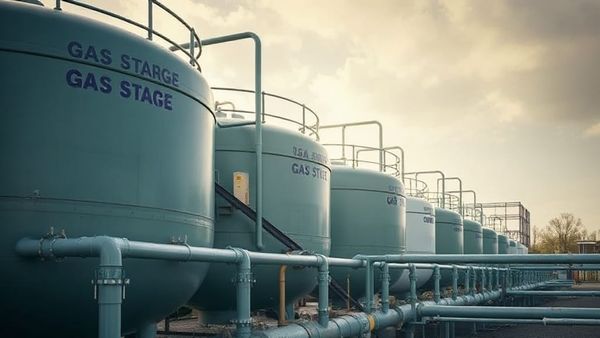 Business Energy
How to compare business gas suppliers in the UK: unit rates by consumption band, contract types, the switching process and what drives price differences between businesses.
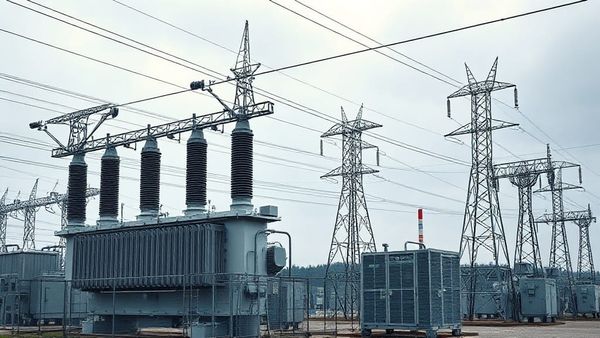 Business Energy
How to compare business electricity suppliers in the UK: unit rates by business size, contract types, the switching process and what to check before signing.
 Business Energy
Business energy costs in 2026 depend on contract type, usage, and supplier. The 100,000 kWh threshold defines a microbusiness for Ofgem rules. Comparing quotes and understanding standing charges can reduce bills. No price cap applies to non-domestic contracts.
 business
A plain-English guide to how the UK non-domestic energy market works: the split between generation, transmission, distribution and supply, the roles of Ofgem and ELEXON, how business prices are set, and where to take a complaint.
 business
Business energy brokers (TPIs) negotiate supply contracts and earn commission built into your unit rate. Learn how they are paid, what the TPI Code of Practice covers, how Ofgem TPI regulation is changing, and the questions to ask before you sign.
 business
Switching business energy supplier in the UK takes seven clear steps. Learn what an MPAN and MPRN are, how notice periods and objections work, what the Energy Ombudsman covers, and what cooling-off rights micro-businesses hold as of 2026.
 business
Fixed, variable, flexible, deemed and rollover business energy contracts explained for UK firms, including notice periods, exit fees, the rollover trap and Ofgem micro-business protections you can rely on as of 2026.
 business
A clear UK guide to how business gas prices are built in 2026: the link between wholesale and retail rates, seasonal patterns, how Ofgem monitors the non-domestic market, when to fix a contract, and what the Energy Ombudsman can resolve.
 business
There is no single cheapest business electricity tariff. Your price depends on consumption, location, contract type and credit profile. This guide explains how rates are built, fixed vs variable deals, micro-business protections and how to negotiate at renewal.
 business
Comparing business energy suppliers in 2026 requires a different approach than domestic switching. The figure 100,000 kWh is a threshold used by Ofgem to define a microbusiness for extra protections. Always compare like-for-like quotes and check for hidden fees.
 business
A plain-English guide to UK business electricity rates as of 2026: how unit costs and standing charges vary by business size, the 100kW half-hourly metering threshold, distribution charges, and how the Climate Change Levy adds to every commercial bill.
 business
A clear 2026 guide to UK business gas rates: typical pence-per-kWh ranges for SMEs, standing charges, contract lengths, what drives prices, how to read your bill, the rollover trap, and how to dispute via the Energy Ombudsman.
 Business Energy
Every procurement guide on KAELTRIPTON's business energy hub, listed by search volume.
Business Energy
Every supplier guide on KAELTRIPTON's business energy hub, listed by search volume.
Business Energy
Business energy is not covered by the Ofgem price cap. Here is how business gas and electricity contracts work, current rates, the renewal trap to avoid, and how to compare suppliers in 2026.
 Energy & Bills
The Current Ofgem Microbusiness Definition: What SLC 7A Says The Ofgem microbusiness definition is set out in Standard Licence Condition 7A of...
 Energy & Bills
What REMA Is and Why It Was Launched The Review of Electricity Market Arrangements (REMA) was launched by DESNZ in August 2022 as a consultation...
 Energy & Bills
What the Energy Act 2023 Is and Why It Matters The Energy Act 2023 received Royal Assent on 26 October 2023 following an extended passage...
 Energy & Bills
The Origins of the Non-Domestic Market Review Ofgem launched its non-domestic market review in 2021, following years of complaints from small...
 Energy & Bills
The Regulatory Gap: Why Energy Brokers Operate Outside Both Ofgem and FCA Oversight Third-party intermediaries (TPIs), commonly known as energy...
 Energy & Bills
What the Energy Ombudsman Can and Cannot Do The Energy Ombudsman, operated by Ombudsman Services, provides independent dispute resolution for...
 Energy & Bills
The Distinction Between Mis-Billing and Back-Billing Mis-billing and back-billing are related but legally and practically distinct situations.
 Energy & Bills
What Triggers a Deemed Contract A deemed contract arises by operation of law when a business begins consuming gas or electricity at premises...
 Energy & Bills
What a Debt Block Is and How It Operates A debt block is a flag placed on an electricity or gas supply point that prevents the switching process...
 Energy & Bills
The Legal Framework for Warrant of Entry Energy suppliers do not have an automatic right to enter business premises without the occupier's...
 Energy & Bills
Gas safety in commercial premises is governed by a specific statutory framework that imposes duties on different parties depending on whether...
 Energy & Bills
Most businesses assume that all energy suppliers offer both gas and electricity. For the domestic market this is largely true - the major...
 Energy & Bills
The term "dual fuel" in the commercial energy market means something quite different from its domestic counterpart.
 Energy & Bills
An overstated Annual Quantity is one of the least visible cost problems in business gas procurement.
 Energy & Bills
When a business changes gas supplier, arranges a new gas connection, or disputes a bill, the MPRN is the reference number every party in the...
 Energy & Bills
When to Request a Payment Plan and Why Timing Matters A payment plan is a formal arrangement between a business and its energy supplier to repay...
 Energy & Bills
The Legal Framework for Commercial Energy Disconnection The right to disconnect a non-domestic electricity or gas supply for non-payment is...
 Energy & Bills
How Suppliers Calculate Business Direct Debit Amounts A business energy direct debit is set by the supplier to collect an amount each month...
 Energy & Bills
What Capacity Charges Are and Why They Appear on Your Bill Capacity charges are costs levied by the Distribution Network Operator (DNO) to...
 Energy & Bills
When Suppliers Can Require a Prepayment Meter for a Business A prepayment meter (PPM) for business premises works on the same principle as a...
 Energy & Bills
What Scope 2 Emissions Are and Why They Are Reported Separately Scope 2 emissions are indirect greenhouse gas emissions arising from the...
 Energy & Bills
The Statutory Net-Zero Target and What It Means for Business The UK's net-zero greenhouse gas emissions target by 2050 was enshrined in the...
 Energy & Bills
How EV Charge Points Change Your Energy Profile Workplace EV charging adds electricity demand that is concentrated in time: typically during...
 Energy & Bills
Commercial Solar PV: Scale and Economics Commercial rooftop solar PV installations typically range from 50 kW to 500 kW of installed capacity...
 Energy & Bills
What a Power Purchase Agreement Is A Power Purchase Agreement (PPA) is a long-term contract between a business electricity buyer and a renewable...
 Energy & Bills
A domestic energy customer who signs up for a new supply contract has a statutory 14-day cooling-off period in which to cancel without penalty...
 Energy & Bills
Switching a business energy supplier is a regulated industry process governed by the Balancing and Settlement Code (BSC) for electricity and the...
 Energy & Bills
A business that wants to leave a fixed-term energy contract before it expires will almost always face an exit fee, also called a termination...
 Energy & Bills
The auto-renewal clause is one of the most commercially consequential provisions in any business energy contract, and one of the least read.
 Energy & Bills
For most small businesses, the energy contract renewal cycle arrives with little fanfare and less preparation.
 Energy & Bills
What Mis-Selling Looks Like in Business Energy Business energy is sold through two channels: directly by suppliers and through third-party...
 Energy & Bills
Why the Process Matters More Than the Complaint Itself Many businesses with legitimate energy complaints fail to recover anything because they...
 Energy & Bills
What Back-Billing Is and Why It Happens Back-billing occurs when an energy supplier issues a corrected invoice that includes charges for energy...
 Energy & Bills
The Default Rate and Why It Is Often Wrong VAT on business energy is charged at the standard rate of 20 per cent by default.
 Energy & Bills
Why Most Business Energy Bills Are Harder to Read Than They Need to Be Suppliers are not legally required to present non-domestic invoices in a...
 Energy & Bills
The Agricultural Energy Consumption Profile UK agricultural businesses consume energy across a range of end-uses that vary significantly by farm...
 Energy & Bills
Office business energy in the UK is dominated by HVAC at 40 to 60% of total electricity, followed by lighting at 15 to 25% and IT equipment and servers at 15 to 30%. CIBSE TM46 benchmarks air-conditioned offices at 250 to 450 kWh per square metre per year for electricity.
 Energy & Bills
The Manufacturing Energy Profile Manufacturing accounts for a substantial share of total UK energy consumption.
 Energy & Bills
The Retail Energy Consumption Profile Retail is the largest non-domestic energy-consuming sector in the UK by total consumption, reflecting the...
 Energy & Bills
Why Hospitality Energy Costs Are Structurally High Hospitality businesses operate energy loads that most other SME sectors do not carry.
 Energy & Bills
A standing charge on a commercial electricity bill is a fixed daily or monthly amount that does not vary with consumption.
 Energy & Bills
Business energy meters in the UK include half-hourly (HH), AMR, and smart meters. Profile classes determine settlement. Since 2017, P272 moved many to HH. In 2026, HH meters are mandatory for high usage. Data access varies by meter type.
 Energy & Bills
Most business owners applying for a commercial energy contract assume the process is similar to signing up for a business bank account - a...
 Energy & Bills
When an energy supplier fails, the immediate concern for any business is whether its electricity and gas will continue to flow.
 Energy & Bills
Ofgem is the UK energy regulator. It licences suppliers for business energy. The market splits between large and small suppliers. A business using under 100,000 kWh electricity a year may be a microbusiness, with extra protections. This guide explains the structure and rules.
 Energy & Bills
What Half-Hourly Metering Is and Why It Exists A half-hourly (HH) electricity meter records consumption every 30 minutes and transmits that data...
 Energy & Bills
A change of tenancy (COT) for business energy in 2026 transfers the supply contract from the outgoing to the incoming tenant. The new tenant must contact the supplier, provide meter readings, and can choose a new contract. The outgoing tenant remains liable for charges until the COT is completed.
 Energy & Bills
A business energy efficiency checklist for 2026 ranks measures by payback period, from zero-cost behaviour changes to long-term infrastructure.
 Energy & Bills
Why Businesses Skip the Audit and Pay for It Later Most UK businesses that overpay on energy bills do so not because their contracts are bad but...
 Energy & Bills
What Drives Business Gas Bills in the UK Business gas bills are shaped by three variables: the volume of gas consumed (measured in kWh), the...
 Energy & Bills
What Deemed Rates Are and Their Legal Basis A deemed contract is a supply arrangement that arises by operation of law.
 Energy & Bills
What Out-of-Contract Rates Are When a fixed-term business energy contract ends and no new contract has been agreed, the supplier moves the...
 Energy & Bills
Why Broker Selection Matters Not all business energy brokers operate to the same standard.
 Energy & Bills
How Business Energy Broker Commission Works When a business energy broker arranges a supply contract on your behalf, the broker is paid by the...
 Energy & Bills
What a Business Energy Broker Actually Does A business energy broker, also called a third-party intermediary (TPI), acts as a procurement agent...
 Energy & Bills
Setting up energy for a new business premises involves two entirely separate processes that many business owners conflate: getting the physical...
 Energy & Bills
Most business energy customers have considerably fewer legal protections than domestic consumers.
 Energy & Bills
Streamlined Energy and Carbon Reporting is the mandatory framework that embeds energy and emissions disclosure into the statutory accounts of...
 Energy & Bills
The Energy Savings Opportunity Scheme places a legal obligation on large UK enterprises to audit their energy use and identify cost-effective...
 Energy & Bills
A supplier advertising a "100% renewable" business energy tariff is not automatically misleading - but it is not automatically meaningful...
 Energy & Bills
By 2026, almost every UK business energy supplier offers a tariff labelled green, renewable, or 100 percent renewable electricity.
 Energy & Bills
The phrase "average business electricity bill" hides enormous variation. A solo consultant working from a 40-square-metre commercial unit pays a...
 Energy & Bills
VAT on UK business energy is one of the most quietly expensive lines on a small-business bill, and one of the most commonly overpaid.
 Energy & Bills
The standing charge is the line on your business energy bill that earns the least attention and quietly does the most damage.
 Energy & Bills
Between 2021 and 2023, more than 30 UK energy suppliers exited the market. Most were small challengers caught between fixed retail prices and a...
 Business Energy
What a business energy quote must contain, how TPI broker commission works, and what to check before signing. Ofgem-sourced. No commission, no calls.
Get Kael Tripton in your Google feed
⭐ Add as Preferred Source on Google