| By Chandraketu Tripathi | Updated April 2026 | |||||||||||||||||||||||||||||||||||
| Electric vehicle owners who do not switch to a dedicated EV electricity tariff are almost certainly overpaying for home charging. Specialist EV tariffs offer cheap overnight rates — often 7–12p per kWh — compared to the standard variable tariff rate of around 24p/kWh. Over a year, the saving can be £400–800 for an average driver. Here are the best options in 2026. | |||||||||||||||||||||||||||||||||||
Verdict 2026 Standard tariff rate: ~24p/kWh | Best EV off-peak rate: 7–12p/kWh | Potential annual saving: £400–£800 | Requires: smart meter + home charger (usually) | Best providers: Octopus Energy, OVO, EDF | |||||||||||||||||||||||||||||||||||
How EV Tariffs Work | |||||||||||||||||||||||||||||||||||
| EV tariffs split the day into off-peak and peak periods. You charge your car overnight during the cheap off-peak window (typically 11pm–5am or midnight–6am) at a significantly reduced rate. During the rest of the day, you pay the standard rate for household electricity. A smart meter and usually a home EV charger (7kW wallbox) are required. | |||||||||||||||||||||||||||||||||||
| |||||||||||||||||||||||||||||||||||
Best EV Electricity Tariffs UK 2026 | |||||||||||||||||||||||||||||||||||
| |||||||||||||||||||||||||||||||||||
How Much Can You Save with an EV Tariff? | |||||||||||||||||||||||||||||||||||
| Based on an average EV driver doing 8,000 miles/year in a car using 4 miles per kWh: | |||||||||||||||||||||||||||||||||||
| |||||||||||||||||||||||||||||||||||
What You Need to Switch to an EV Tariff | |||||||||||||||||||||||||||||||||||
| |||||||||||||||||||||||||||||||||||
Verdict 2026 EV tariffs like Octopus Go offer off-peak rates of 7.5p/kWh (11pm–4:30am) versus the standard 24p/kWh — saving £300–500/year for an average driver. You need a smart meter and home charger. Octopus Go is the most popular choice; Octopus Intelligent Go extends cheap hours further using AI scheduling. Switch supplier if necessary — the savings make it very worthwhile. | |||||||||||||||||||||||||||||||||||
Frequently Asked QuestionsWhat is the best EV electricity tariff UK 2026? Octopus Go is the most popular EV tariff, offering 7.5p/kWh overnight (00:30–04:30). Octopus Intelligent Go extends cheap hours further using smart scheduling. EDF GoElectric offers 9p/kWh with a longer 7-hour window. The best tariff depends on your car, charger and usage pattern. Do I need a smart meter for an EV tariff? Yes. All specialist EV electricity tariffs require a smart meter to verify your off-peak usage. If you do not have a smart meter, contact your current energy supplier to arrange installation — it is free. How much does it cost to charge an EV at home UK 2026? On a standard tariff (~24p/kWh), charging a typical EV (60kWh battery, 80% charge) costs around £11.50. On Octopus Go (7.5p/kWh), the same charge costs around £3.60 — a saving of around £8 per charge cycle. | |||||||||||||||||||||||||||||||||||
| Related Guides | |||||||||||||||||||||||||||||||||||
| Sources: Octopus Energy, EDF, OVO, E.ON, British Gas EV tariff terms April 2026, Ofgem, Pod Point. April 2026. |
EV Electricity Tariffs UK 2026: Best Deals for Electric Car Owners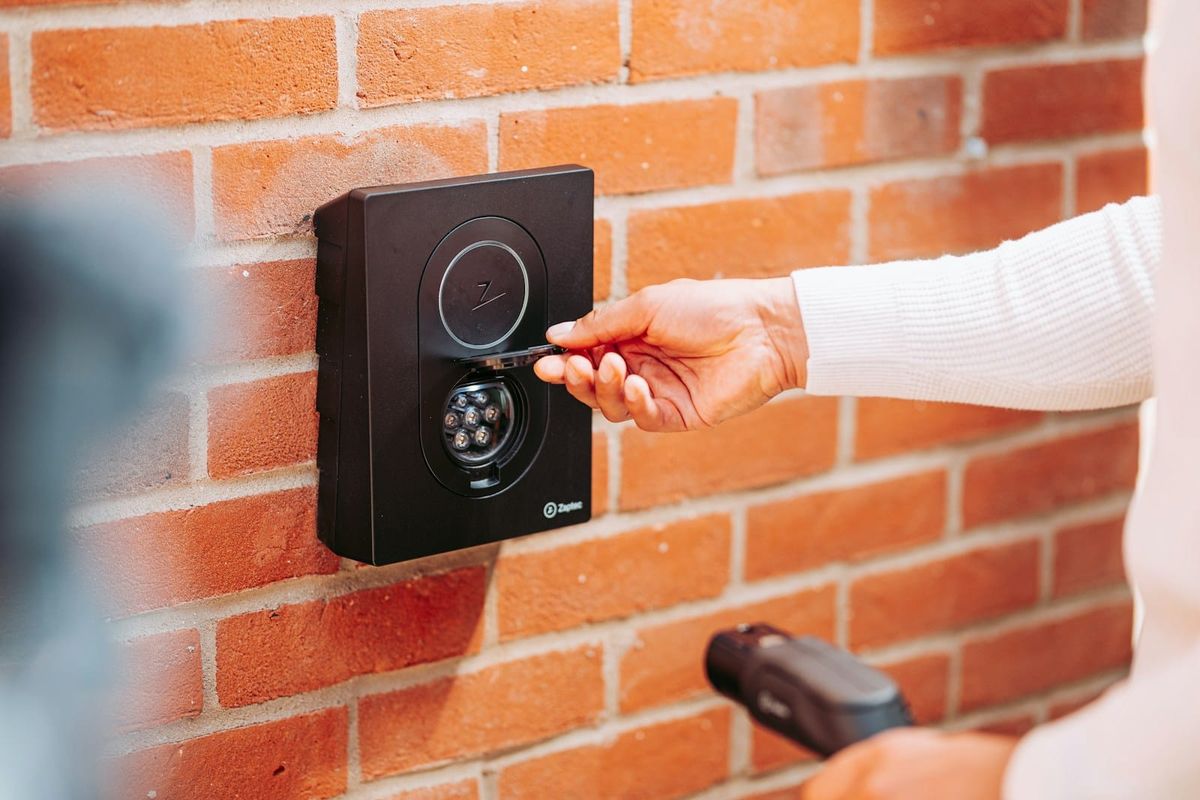
Advertisement
Advertisement
Editorial Disclaimer The content on Kaeltripton.com is for informational and educational purposes only and does not constitute financial, investment, tax, legal or regulatory advice. Kaeltripton.com is not authorised or regulated by the Financial Conduct Authority (FCA) and is not a financial adviser, mortgage broker, insurance intermediary or investment firm. Nothing on this site should be construed as a personal recommendation. Rates, figures and product details are indicative only, subject to change without notice, and should always be verified directly with the relevant provider, HMRC, the FCA register, the Bank of England, Ofgem or other appropriate authority before any financial decision is made. Past performance is not a reliable indicator of future results. If you require regulated financial advice, please consult a qualified adviser authorised by the FCA. Read More


|
|