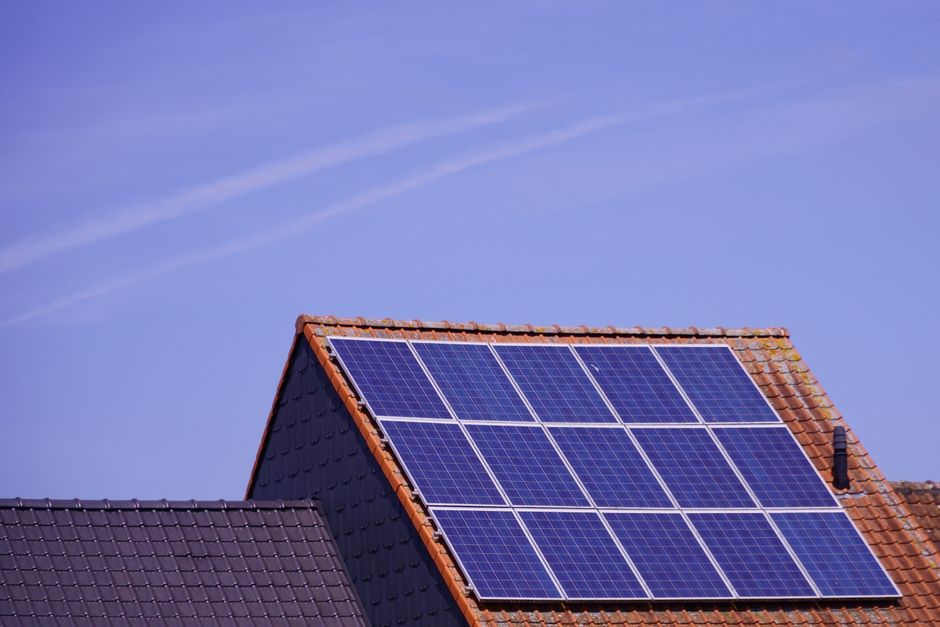
Octopus Energy's Tenant Power tariff cuts electricity bills for social housing tenants by up to £200 a year by using rooftop solar panels and battery storage. The tariff expanded to Wales on 28 May 2026 through a partnership with United Welsh, making it the first Welsh housing association to adopt the scheme. Octopus aims to have 10,000 homes committed by end of 2026. Some tenants are reporting bills falling to £0 per month.
Last reviewed: May 2026
Octopus Energy expanded its Tenant Power tariff to Wales on 28 May 2026 through a partnership with United Welsh, the first Welsh housing association to adopt the scheme. The announcement came as the company also confirmed rollouts in London with Hammersmith and Fulham Council, and in Scotland with Grampian Housing Association, as part of an accelerating national programme.
What Is the Tenant Power Tariff?
Tenant Power is described by Octopus Energy as the UK's first green energy tariff designed specifically for social housing, where both tenants and landlords share the financial benefits of smart energy technology. Properties fitted with rooftop solar panels and a compatible battery storage system generate their own renewable electricity. Octopus smart-controls the solar and battery system to maximise generation and minimise grid imports.
Tenants benefit from a 30% discount to the standard Octopus variable electricity unit rate. Based on average household consumption as defined by Ofgem, this delivers savings of around £200 a year compared to a standard variable tariff. Some tenants in newer, well-insulated homes with larger solar installations are reporting monthly electricity bills of £0.
For housing associations and local authorities, the tariff provides a measurable financial return on investment in solar and battery infrastructure. Landlords receive a 12-month fixed return based on total solar energy generation, battery size, and system performance. Octopus handles smart control of the system, removing operational complexity for the landlord.
Where Is Tenant Power Available?
The tariff has now reached Wales for the first time through United Welsh. In London, Hammersmith and Fulham Council became the first local authority in the capital to roll out the tariff, initially covering 52 homes with plans to expand. In Scotland, Grampian Housing Association in Aberdeenshire became the first Scottish housing association to adopt the scheme, starting with 114 homes. Together Housing Group in West Yorkshire was an earlier partner, bringing the tariff to 1,500 homes.
Octopus Energy aims to have 1,000 customers active on Tenant Power and a further 10,000 homes committed by the end of 2026. The company reports that nearly 100 social landlords were in talks about the tariff earlier in 2026.
Why Is This Relevant Now?
The Tenant Power expansion was announced on the same day Ofgem confirmed the energy price cap rises 13% to £1,862 from 1 July 2026. For social housing tenants on standard variable tariffs, that means around £221 more per year. Tenant Power offers a route to insulate bills from cap rises through on-site generation, making the timing of the Wales rollout particularly significant.
Octopus Energy data shows heat pump sales up 103%, solar panel sales up 78%, and EV charger enquiries up 42% in 2026, as households seek energy independence amid wholesale market volatility linked to the Middle East conflict.
Am I Eligible for Tenant Power?
Tenant Power is available to tenants of social housing landlords that have signed up to the scheme and installed compatible solar and battery systems. Tenants cannot sign up independently. If you rent from a housing association or local authority, you can ask your landlord whether they are participating or considering the scheme. Tenants whose landlord offers the tariff are invited to sign up via a link provided by the housing provider.
Frequently Asked Questions
What is the Octopus Energy Tenant Power tariff?
A social housing electricity tariff that uses rooftop solar panels and battery storage to cut tenants' electricity bills by up to £200 a year, with a 30% discount to the standard Octopus variable unit rate. The tariff is only available through housing associations and local authorities that have joined the scheme.
How much can tenants save on the Tenant Power tariff?
Around £200 a year compared to a standard variable tariff, based on Ofgem average household consumption. Some tenants in newer builds with larger systems report bills falling to £0 per month.
Is Tenant Power available to private renters?
No. The tariff is designed specifically for social housing. It requires the landlord to have installed compatible solar and battery systems and to have enrolled with Octopus Energy. Private renters are not currently eligible.
Which housing associations and councils offer Tenant Power?
As of May 2026, confirmed partners include United Welsh (Wales), Hammersmith and Fulham Council (London), Grampian Housing Association (Scotland), and Together Housing Group (West Yorkshire), among others. Octopus Energy reports nearly 100 social landlords in discussions about the scheme.
How do I sign up for Tenant Power?
Ask your housing association or local authority landlord whether they offer the tariff. If they do, they will provide a sign-up link. You cannot apply directly to Octopus Energy as a tenant independently of your landlord.