
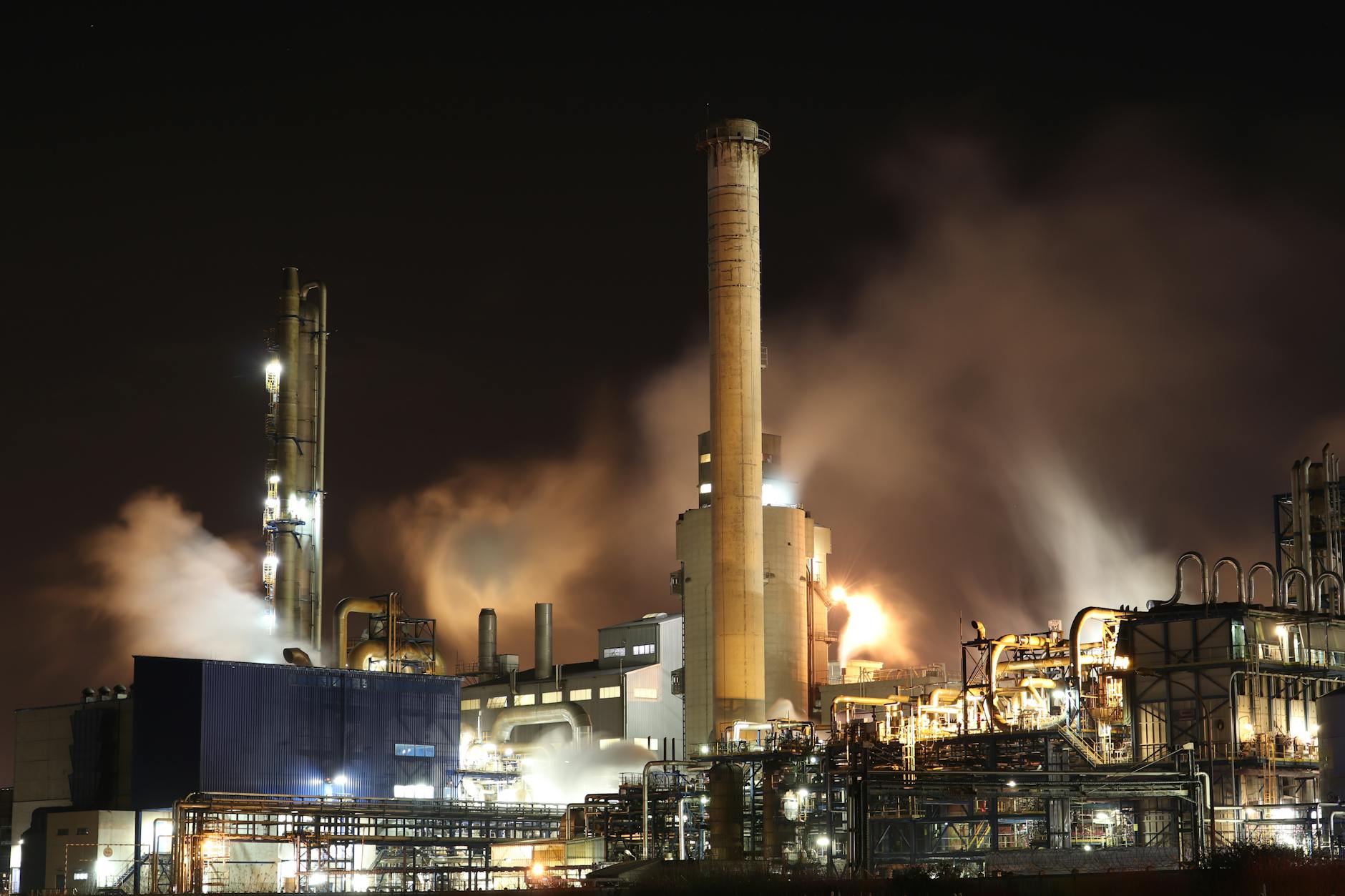
Choosing a provider for industrial waste uk requirements is a different exercise from arranging a wheelie bin for an office. Heavy industry, manufacturing plants, chemical sites, oil and gas operations, automotive lines and food processors generate high volumes, complex waste streams and hazardous materials that sit under strict UK classification, duty of care and consignment rules. This guide compares the main UK providers serving industrial sites in 2026, sets out the regulatory framework that governs the sector, explains how pricing is structured and gives a neutral, evidence-led view of who is best fit for which kind of operation.
TL;DR: The UK industrial waste market is led by a handful of specialists. Veolia Industrial Solutions, Tradebe and Augean dominate hazardous and high-hazard streams, while Biffa, SUEZ and Enva offer broad industrial collections alongside recycling. Cleansing Service Group (CSG) and WasteCare cover tankering, liquid waste and specialist recovery. Pricing is contract-led and driven by waste classification, volume, hazard level, treatment route and Landfill Tax exposure. There is no single best provider; the right fit depends on your waste streams, site footprint and compliance burden.
Key facts
- Industrial waste in the UK is governed by the Environmental Protection Act 1990 duty of care, the Hazardous Waste Regulations and waste classification under the List of Wastes.
- The standard rate of Landfill Tax rose to £126.15 per tonne from 1 April 2025, with a lower rate of £4.05 per tonne for qualifying inert waste; verify the current figure with HMRC before relying on it.
- Hazardous waste movements require a consignment note and must go to permitted facilities; non-hazardous transfers require a waste transfer note kept for at least two years.
- Regulators differ by nation: the Environment Agency in England, SEPA in Scotland, Natural Resources Wales, and DAERA in Northern Ireland.
- Veolia, Tradebe and Augean are the most commonly shortlisted specialists for hazardous and high-hazard industrial waste.
- Indicative industrial contracts range widely, from a few hundred pounds a month for a small unit to six-figure annual spend for a multi-stream manufacturing or chemical site.
- Most large industrial sites run a multi-stream contract or a managed-service model rather than a single skip arrangement.
At a glance: best fit for your site
The cards below summarise where each provider tends to fit. They reflect typical positioning across heavy industry, manufacturing, hazardous handling and recycling, not a ranking. Industrial waste disposal needs vary enormously by sector, so use these as a shortlisting aid rather than a verdict.
Veolia Industrial Solutions
Best fit for: large multi-stream and hazardous sites
Suited to manufacturers, chemical and energy sites that need an integrated industrial waste management service covering hazardous handling, recovery and on-site support across a national footprint.
Tradebe
Best fit for: chemical and solvent recovery
Most commonly chosen by chemical, pharmaceutical and laboratory operators needing solvent recovery, treatment and high-hazard disposal with specialist permitted facilities.
Augean
Best fit for: high-hazard and specialist waste
Operators typically shortlist Augean for hazardous landfill, soil treatment, oil and gas waste and radioactive or hard-to-treat streams that few competitors handle.
Biffa
Best fit for: broad industrial collections
Suited to manufacturers and large sites wanting national collection coverage, recycling and a single supplier across general and some hazardous streams.
SUEZ
Best fit for: recovery and circular-economy focus
Most commonly chosen by sites that prioritise recycling, energy recovery and resource-management reporting alongside industrial collections.
Enva
Best fit for: regional industrial and recovery
Suited to industrial operators across the UK and Ireland wanting recycling-led services, hazardous handling and specialist recovery from a single group.
Cleansing Service Group (CSG)
Best fit for: liquid waste and tankering
Operators typically shortlist CSG for liquid hazardous waste, tankering, drainage, interceptors and oil-contaminated streams.
WasteCare
Best fit for: specialist recovery and batteries
Suited to industrial sites needing battery, lamp, WEEE and hazardous specialist recovery alongside general industrial collections.
Quick comparison table
The table compares the main providers serving industrial waste uk requirements. Indicative monthly figures are starting points for a small to mid-size industrial site and are illustrative only; real pricing is set by waste classification, volume and treatment route. Treat every figure as indicative and confirm with the provider.
| Provider | Best fit for | Indicative monthly from | Pricing basis | UK HQ | Regulatory focus | Inclusions |
|---|---|---|---|---|---|---|
| Veolia Industrial Solutions | Large multi-stream and hazardous | £400+ (indicative) | Contract, per stream and tonnage | London / Cannock | Hazardous, recovery, on-site services | Collections, treatment, recovery, reporting |
| Tradebe | Chemical and solvent recovery | £350+ (indicative) | Per drum, tonnage and treatment route | Sutton Coldfield | High-hazard, solvent recovery, lab | Treatment, recovery, lab packs, transport |
| Augean | High-hazard and specialist | Project / tonnage based | Per tonne, hazard and route | Wetherby | Hazardous landfill, soils, oil and gas | Disposal, treatment, soil remediation |
| Biffa | Broad industrial collections | £250+ (indicative) | Per lift, volume and stream | High Wycombe | General, recycling, some hazardous | Collections, recycling, reporting |
| SUEZ | Recovery and circular economy | £250+ (indicative) | Per lift and tonnage | Maidenhead | Recycling, energy recovery | Collections, recovery, resource data |
| Enva | Regional industrial and recovery | £250+ (indicative) | Per lift, tonnage and stream | Leeds | Recycling, hazardous, specialist recovery | Collections, recovery, hazardous handling |
| Cleansing Service Group (CSG) | Liquid waste and tankering | Per tanker / volume | Per litre, tanker and route | Fareham | Liquid hazardous, drainage, oils | Tankering, drainage, interceptor service |
| WasteCare | Specialist recovery and batteries | £200+ (indicative) | Per container and stream | Leeds | Batteries, lamps, WEEE, hazardous | Specialist recovery, compliance, collections |
What industrial waste management is
Industrial waste is the broad category of waste produced by manufacturing, processing, construction, energy generation and heavy industry. It spans everything from inert offcuts and packaging through to process residues, contaminated water, solvents, acids, sludges, filter cakes and high-hazard chemicals. The defining feature is variety: a single industrial site can generate dozens of distinct waste streams, each with its own classification, storage rules and lawful disposal route.
Industrial waste management services exist to take that complexity off site safely and lawfully. A provider will classify each stream, supply suitable containment, arrange compliant transport, treat or recover what can be recovered, and dispose of the residue through permitted facilities. For larger plants the provider may also run an on-site team, manage segregation at source and produce the data needed for environmental reporting and corporate sustainability targets.
The way you manage industrial waste shapes both cost and compliance. Better segregation at source reduces the tonnage that goes to expensive hazardous treatment or landfill, cuts Landfill Tax exposure and improves recycling rates. Poor segregation mixes clean streams with contaminated ones, which pushes everything up the cost and hazard scale. This is why most industrial buyers focus on the whole service model, not just the headline collection price.
Hazardous versus non-hazardous industrial waste
The single most important distinction in this sector is whether a waste is hazardous. Hazardous waste carries properties such as flammability, toxicity, corrosivity or ecotoxicity, and it is subject to far stricter rules on classification, storage, transport and disposal. Non-hazardous industrial waste, such as clean packaging, inert offcuts or uncontaminated process material, follows the standard duty of care regime. Getting classification right is the foundation of compliant, cost-effective industrial waste disposal.
Common industrial waste streams
- Process residues, sludges and filter cakes
- Solvents, paints, inks and chemical wastes
- Acids, alkalis and other reactive liquids
- Contaminated water, oils and interceptor waste
- Contaminated packaging, drums and IBCs
- WEEE, batteries, lamps and electrical scrap
- Metals, plastics and recoverable secondary materials
- Contaminated soils and construction-derived waste
UK regulation: the rules that govern industrial waste uk
Industrial waste sits under a layered regulatory framework. The headline duties below should be read alongside the official guidance, and any rate or threshold should be confirmed with the relevant authority before you rely on it.
Duty of care
The duty of care under section 34 of the Environmental Protection Act 1990 applies to anyone who produces, carries, treats or disposes of waste. In practice it means an industrial producer must store waste safely, check that whoever takes it is authorised, and complete the correct transfer documentation. The Waste Duty of Care Code of Practice sets out how to comply. Non-hazardous waste transfer notes must be kept for at least two years.
Waste classification and the List of Wastes
Before waste leaves site it must be classified and given a six-digit List of Wastes (LoW) code. Classification determines whether a waste is hazardous and which disposal or recovery routes are lawful. The government guidance on how to classify different types of waste is the reference point, and accurate classification is a legal obligation that also drives cost.
Hazardous waste consignment
Hazardous waste movements must travel under a consignment note and may only go to facilities permitted to accept that waste. The producer, carrier and receiving site each retain records. Rules and notification arrangements vary by UK nation, so a site operating across borders should confirm the requirements with the relevant regulator.
Environmental permitting and the regulators
Facilities that treat, recover or dispose of waste operate under environmental permits. Regulation is devolved: the Environment Agency oversees England, the Scottish Environment Protection Agency (SEPA) covers Scotland, Natural Resources Wales covers Wales, and DAERA covers Northern Ireland. The Health and Safety Executive (HSE) governs how hazardous substances are stored and handled on site.
Landfill Tax
Landfill Tax is a major cost driver for industrial waste that cannot be recovered. The standard rate rose to £126.15 per tonne from 1 April 2025, with a lower rate of £4.05 per tonne for qualifying inert and inactive waste. Rates change at most fiscal events, so verify the current figure with HMRC before relying on it. The tax is a strong commercial reason to divert waste from landfill through recycling and recovery.
Producer responsibility: packaging EPR and Plastic Packaging Tax
Industrial producers that place packaging on the market may fall under Extended Producer Responsibility (EPR) for packaging, which shifts the cost of managing packaging waste onto producers and is being phased in through 2025 and beyond. Separately, Plastic Packaging Tax applies to plastic packaging that does not contain at least 30 per cent recycled content; the rate has been uprated since introduction, so verify the current figure with HMRC before relying on it.
Vendors in detail
The profiles below cover the providers most commonly shortlisted for industrial waste management services in the UK. Each is positioned by where it tends to add the most value, with an indicative stat strip. Pricing positions are illustrative starting points and are not quotes.
Veolia Industrial Solutions
Veolia is the largest environmental services group operating in the UK and its Industrial Solutions arm is built around heavy industry, chemicals, energy and manufacturing. It offers hazardous waste handling, treatment and recovery, on-site services such as tank cleaning and high-pressure work, and the data infrastructure that large producers need for environmental reporting. Best fit for sites that want one accountable partner across many streams and a national network of permitted facilities. The scale that suits a large plant can feel heavy for a small unit, where a regional specialist may be more nimble.
Tradebe
Tradebe is a specialist in hazardous and chemical waste, with strengths in solvent recovery, treatment, lab pack services and high-hazard disposal. Most commonly chosen by chemical manufacturers, pharmaceutical sites and laboratories that need technically demanding streams handled through permitted treatment facilities. Its recovery focus can reduce the tonnage sent to final disposal, which helps with both cost and sustainability targets. Operators with only general waste may find a broad-line collector simpler.
Augean
Augean specialises in the hard end of the market: hazardous landfill, contaminated soil treatment, oil and gas waste, and low-level radioactive and other hard-to-treat materials. Operators typically shortlist Augean when a stream has few lawful outlets. It is the kind of provider engaged for specific projects and difficult residues rather than routine weekly collections, and pricing is usually tonnage and route based.
Biffa
Biffa offers one of the broadest national collection networks in the UK, covering general industrial waste, recycling and some hazardous streams. Suited to manufacturers and large sites that want a single supplier for the bulk of their waste with strong logistics and reporting. For very high-hazard or technically specialist streams, sites often pair Biffa with a hazardous specialist such as Tradebe or Augean.
SUEZ
SUEZ is a major recycling and resource-management group with a strong circular-economy orientation. Most commonly chosen by industrial sites that prioritise recycling rates, energy recovery and the resource-flow data that feeds corporate sustainability reporting. Its recovery infrastructure helps divert waste from landfill. Sites with heavy hazardous burdens may need to supplement SUEZ with a hazardous specialist.
Enva
Enva is a recycling-led group operating across the UK and Ireland, covering industrial collections, hazardous handling and specialist recovery such as oils, solvents and waste-derived products. Suited to industrial operators that want a recovery-focused partner with regional coverage and a single point of contact across mixed streams.
Cleansing Service Group (CSG)
CSG specialises in liquid and hazardous waste, tankering, drainage, interceptor servicing and oil-contaminated streams. Operators typically shortlist CSG when the challenge is liquids rather than solids: process effluents, washwaters, oils and trapped waste. For sites where liquid hazardous waste is the dominant problem, a tankering specialist often outperforms a general collector.
WasteCare
WasteCare focuses on specialist recovery streams including batteries, lamps, WEEE and a range of hazardous materials, alongside general industrial collections. Suited to sites with significant electrical, battery or lamp waste that need compliant recovery and the producer-compliance support that comes with those streams.
Regional coverage
The national providers above operate depots and permitted facilities across the country, but service density and lead times still vary by location. Industrial buyers should confirm depot proximity and collection frequency for their specific site. Coverage typically reaches industrial centres including Birmingham, Manchester, Leeds, Glasgow, Bristol, Liverpool, Edinburgh, Cardiff, Belfast, Newcastle, Nottingham and Oxford, though the mix of hazardous treatment capacity and tankering capability differs between regions. A site in Glasgow or Edinburgh will also fall under SEPA rather than the Environment Agency, and a Cardiff site under Natural Resources Wales, so confirm the regulator alongside the provider.
Pricing and procurement
Industrial waste pricing is rarely a single number. It is built from the cost of containment, collection frequency, transport, treatment or recovery, final disposal, and any taxes such as Landfill Tax that attach to the residue. The biggest single driver is usually waste classification: a stream that is hazardous and must go to specialist treatment can cost many times more per tonne than a clean, recyclable equivalent.
Typical pricing bases include per lift or per container for collections, per tonne for disposal and recovery, per litre or per tanker for liquids, and per drum or per lab pack for chemical waste. Larger sites often move to a managed-service contract with a fixed monthly element plus variable charges by tonnage and stream. As a rough orientation, a small industrial unit might start in the low hundreds of pounds a month, while a multi-stream manufacturing or chemical site can reach six-figure annual spend. All such figures are indicative and depend entirely on streams and volumes.
How to control industrial waste disposal cost
- Segregate at source so clean recyclables do not get contaminated and pushed up the hazard scale.
- Divert from landfill where lawful to reduce Landfill Tax exposure.
- Right-size containers and frequency to avoid paying for collecting air or half-empty bins.
- Classify accurately so streams are not over-classified into expensive treatment routes.
- Consolidate streams under fewer suppliers where it improves rates, but keep a specialist for high-hazard waste.
- Review tonnage and recovery data quarterly and renegotiate against actual volumes.
What to put in an industrial waste contract
- A clear list of waste streams with LoW codes and classification responsibility.
- Pricing transparency: fixed versus variable elements, tonnage rates and any surcharges.
- Service levels: collection frequency, response times and missed-collection remedies.
- Compliance documentation: consignment notes, transfer notes and audit-ready reporting.
- Recovery and recycling targets with reporting to feed sustainability metrics.
- Notice periods, price-review mechanisms and exit terms.
Strengths and limitations
No single provider is strongest on every axis. The hazardous specialists (Veolia, Tradebe, Augean) bring permitted treatment capacity and technical depth that broad collectors cannot match, but they can be more than a small site needs. The broad-line collectors (Biffa, SUEZ, Enva) bring logistics scale, recycling infrastructure and simpler single-supplier contracts, but often pair with a specialist for the hardest streams. The focused specialists (CSG for liquids, WasteCare for batteries and WEEE) excel in their niche and are commonly used alongside a main contractor rather than instead of one.
The practical implication is that many industrial sites run a hybrid model: a primary contractor for the bulk of streams plus one or two specialists for hazardous, liquid or producer-responsibility streams. Single-supplier simplicity has to be weighed against the cost and compliance advantage of using the right specialist for each difficult stream.
Alternatives and complementary providers
Beyond the eight providers profiled here, industrial buyers also encounter regional independents, broker-led services and sector hubs. Brokers such as BusinessWaste.co.uk arrange collections through subcontracted carriers, which can suit smaller sites but adds a layer between producer and facility. Specialist firms like Grundon, First Mile, Bywaters, Cawleys and Halo serve particular regions or stream types. For specific waste categories, dedicated category guides cover hazardous waste disposal, clinical waste, skip hire and construction waste. Reviews of the major groups are available for Biffa, Veolia, SUEZ and Enva.
Evaluation checklist for industrial waste uk providers
- Does the provider hold environmental permits for every stream you generate, and is it a registered carrier?
- Can it classify your waste correctly and provide consignment and transfer documentation as standard?
- Does it cover your site under the correct regulator (Environment Agency, SEPA, NRW or DAERA)?
- What proportion of your waste can it recover or recycle rather than send to landfill?
- Is pricing transparent, with fixed and variable elements clearly separated?
- Does it provide audit-ready reporting for compliance and sustainability metrics?
- Can it handle your hazardous and liquid streams, or will you need a specialist alongside?
- What are the notice periods, price-review terms and exit arrangements?
Common mistakes when managing industrial waste
- Misclassifying waste. Treating a hazardous stream as non-hazardous is a compliance breach; over-classifying clean waste wastes money. Accurate List of Wastes coding is essential.
- Ignoring duty of care checks. Failing to verify a carrier or facility is authorised leaves the producer liable even after the waste has left site.
- Poor segregation. Mixing clean recyclables with contaminated waste forces everything up the cost and hazard scale and inflates Landfill Tax exposure.
- Missing documentation. Not keeping transfer notes for at least two years, or consignment notes for hazardous movements, is a frequent enforcement finding.
- Single-supplier tunnel vision. Forcing every stream through one collector can mean high-hazard or liquid waste is handled less efficiently than a specialist would manage it.
- Set-and-forget contracts. Not reviewing tonnage, recovery rates and pricing against actual volumes leaves savings on the table.
Editorial note: This guide is independent UK editorial and is not financial, legal or regulatory advice. kaeltripton earns no commission and routes no leads. Pricing is indicative and varies by contract, location and waste stream. Confirm regulatory obligations with the named UK authorities before acting.
Frequently asked questions
What is industrial waste?
Industrial waste is waste produced by manufacturing, processing, construction, energy and heavy industry. It ranges from inert offcuts and packaging to process residues, solvents, acids, sludges, contaminated water and high-hazard chemicals. The defining feature is the variety of streams a single site can generate, each with its own classification and lawful disposal route.
What is the best provider for industrial waste in the UK?
There is no single best provider. Veolia, Tradebe and Augean are most commonly shortlisted for hazardous and high-hazard streams; Biffa, SUEZ and Enva for broad industrial collections and recycling; and CSG and WasteCare for liquid waste and specialist recovery. The right fit depends on your waste streams, site footprint and compliance burden.
How much does industrial waste disposal cost?
Cost is contract-led and driven by waste classification, volume, hazard level, treatment route and Landfill Tax exposure. A small industrial unit might start in the low hundreds of pounds a month, while a multi-stream manufacturing or chemical site can reach six-figure annual spend. All figures are indicative; obtain a quote based on your actual streams.
How do I manage industrial waste compliantly?
Classify each stream and assign a List of Wastes code, store waste safely, use only authorised carriers and permitted facilities, complete consignment notes for hazardous movements and transfer notes for non-hazardous, and keep records. Segregating at source and diverting from landfill reduces both cost and risk. The Waste Duty of Care Code of Practice is the reference.
What is the difference between hazardous and non-hazardous industrial waste?
Hazardous waste has dangerous properties such as flammability, toxicity, corrosivity or ecotoxicity and is subject to stricter classification, storage, transport and disposal rules, including consignment notes. Non-hazardous industrial waste follows the standard duty of care regime. Correct classification under the List of Wastes determines which category a stream falls into.
Do I need a consignment note for industrial waste?
A consignment note is required for hazardous waste movements, and it must accompany the waste to a permitted facility. Non-hazardous waste instead requires a waste transfer note, which must be kept for at least two years. Requirements vary by UK nation, so confirm with your regulator.
Who regulates industrial waste in the UK?
Regulation is devolved. The Environment Agency regulates England, the Scottish Environment Protection Agency (SEPA) regulates Scotland, Natural Resources Wales regulates Wales, and DAERA regulates Northern Ireland. The Health and Safety Executive (HSE) governs how hazardous substances are stored and handled on site.
How much is Landfill Tax on industrial waste?
The standard rate of Landfill Tax rose to £126.15 per tonne from 1 April 2025, with a lower rate of £4.05 per tonne for qualifying inert and inactive waste. Rates change at fiscal events, so verify the current figure with HMRC before relying on it. Diverting waste from landfill through recycling and recovery reduces this cost.
Is Veolia better than Biffa for industrial waste?
They suit different needs. Veolia Industrial Solutions is positioned for large multi-stream and hazardous sites with permitted treatment and on-site services. Biffa offers one of the broadest national collection networks for general industrial waste and recycling. Hazardous-heavy sites often lean to Veolia or pair Biffa with a hazardous specialist.
Can one provider handle all my industrial waste streams?
Sometimes, but many industrial sites run a hybrid model: a primary contractor for the bulk of streams plus a specialist for hazardous, liquid or producer-responsibility waste. Single-supplier simplicity should be weighed against the cost and compliance benefit of using the right specialist for the hardest streams.
What is the waste hierarchy and why does it matter for industry?
The waste hierarchy ranks options from prevention and reuse, through recycling and recovery, down to disposal as a last resort. For industrial producers it matters commercially as well as legally: moving waste up the hierarchy cuts Landfill Tax exposure, improves recycling rates and supports sustainability reporting.
Does Extended Producer Responsibility apply to industrial producers?
It can. Producers that place packaging on the UK market may fall under Extended Producer Responsibility for packaging, which shifts the cost of managing that packaging waste onto producers and is being phased in. Plastic Packaging Tax may also apply to plastic packaging without at least 30 per cent recycled content; verify the current figure with HMRC before relying on it.
How do I choose an industrial waste management service?
Check that the provider holds permits for every stream you generate and is a registered carrier, confirm it covers your site under the correct regulator, assess how much waste it can recover rather than landfill, demand transparent pricing and audit-ready reporting, and decide whether you need a specialist alongside for hazardous or liquid streams. Use the evaluation checklist above as a starting point for shortlisting industrial waste uk providers.
Sources
- Environment Agency
- Department for Environment, Food and Rural Affairs (Defra)
- Scottish Environment Protection Agency (SEPA)
- Natural Resources Wales
- DAERA (Northern Ireland)
- Health and Safety Executive (HSE)
- Landfill Tax (GOV.UK)
- Plastic Packaging Tax (GOV.UK)
- Packaging waste Extended Producer Responsibility (GOV.UK)
- How to classify different types of waste (GOV.UK)
- Waste Duty of Care Code of Practice (GOV.UK)
- legislation.gov.uk


