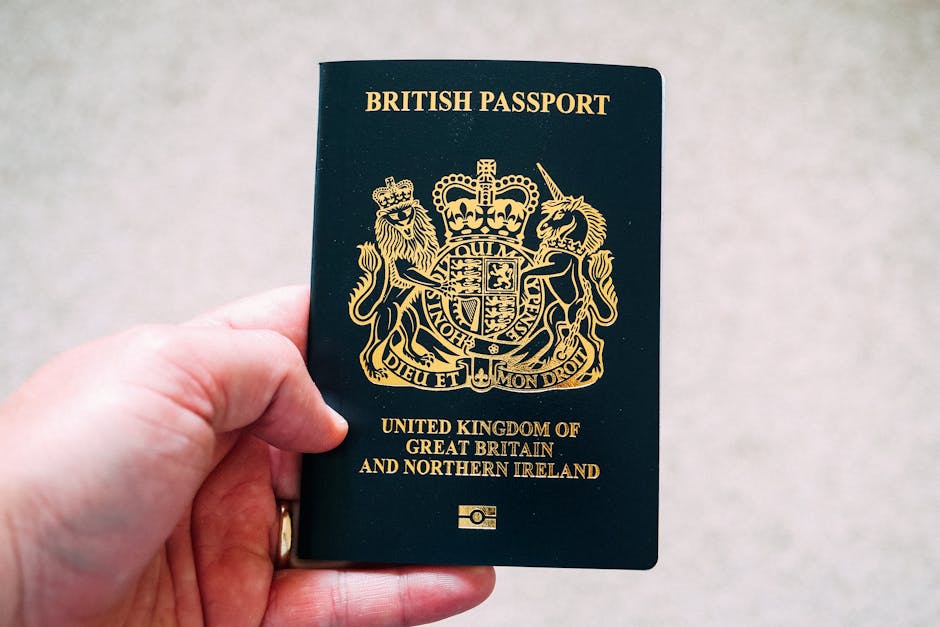
UK Identity and Address: Building Your Documentation
UK identity and address verification draws on a constellation of documents: passport, BRP/eVisa, driving licence, utility bills, bank statements, council tax bill, tenancy agreement and the electoral roll. This guide explains what counts for which purpose and how a newcomer builds the documenta...
UK Credit Reference Agencies Explained: Experian, Equifax, TransUnion
Three credit reference agencies operate in the UK: Experian, Equifax and TransUnion. Each holds its own independent credit file on consumers, drawing on the same lender-reported data. Lenders pick which agency to query; each agency's score is calculated differently.
Why the Electoral Roll Matters for UK Credit
The electoral roll is the single strongest address verification signal that UK credit reference agencies use. Registration is free, takes a few minutes online at gov.uk, and is open to UK citizens, Commonwealth citizens, Irish citizens, EU citizens with settled status, and qualifying overseas v...
Building a UK Credit File from Zero: Step-by-Step
Building a UK credit file from zero takes around twelve months of deliberate steps: open a UK bank account, register on the electoral roll, take out a small credit product, and pay every bill on time by direct debit. The three credit reference agencies start to show a usable score within six to...
UK Change of Name Process: Deed Poll and Documents
UK residents can change their name freely at any time. The standard evidence is a deed poll: a signed document declaring the new name. Once signed, the deed poll is used to update passport, driving licence, bank, employer and other records.
UK Bureaucracy Survival Guide: NI, NHS, Tax, Address
Four separate institutions handle the core UK registrations newcomers must complete: HMRC for tax and National Insurance, NHS England for healthcare, the local council for council tax and electoral roll, and Land Registry or letting agents for housing. This guide maps how the agencies interact.
Settling in the UK: Your First-Year Complete Guide
The first twelve months in the UK involve a coordinated sequence of registrations: National Insurance number, GP surgery, council tax, address records and a UK bank account. This guide sets out the order each task should follow and the official sources for each.
Proof of Identity: All UK Acceptable Documents
Standard UK identity verification combines a primary photo ID document (passport, driving licence, BRP) with a supporting document (utility bill, bank statement, government letter). JMLSG guidance sets the framework for FCA-regulated firms.
Proof of Address: All UK Acceptable Documents
UK institutions accept a range of address-proof documents: utility bills, bank statements, council tax bills, tenancy agreements, HMRC notices and government letters. Each institution publishes its own accepted list and dating rules.