
86 percent of parents say their children's environmental education has changed household recycling habits, according to Biffa research for Recycle Week 2026. The Censuswide survey of 3,000 UK adults and 1,000 children aged five to 16, with Mumsnet analysis of 60,000 conversations, was published on 14 September 2026.
TL;DR · LAST REVIEWED 86 percent of parents say their children's environmental education has changed household recycling habits, according to Biffa research for Recycle Week 2026. The Censuswide survey of 3,000 UK adults and 1,000 children aged five to 16, with Mumsnet analysis of 60,000 conversations, was published on 14 September 2026.
- 86 percent of parents say their children's environmental education has influenced household recycling habits, per Biffa research for Recycle Week 2026 published 14 September 2026.
- 88 percent of families say a child's education helped them reduce food waste; 68 percent of children have pushed their family to save electricity and 69 percent to save water.
- 21 percent of parents have been corrected by their children for recycling wrongly, and 58 percent of children say they know more about recycling than their parents.
- In England, Simpler Recycling requires councils to collect core recyclable materials with weekly food waste collections from 31 March 2026; a deposit return scheme is due in October 2027.
KEY FACTS
- Parents saying children changed recycling habits: 86%
- Children who say they know more than parents: 58%
- Households arguing over the wrong bin: 29%
- Sample: 3,000 adults, 1,000 children
- England rule change: Simpler Recycling, 31 March 2026
What the survey found
Source: Biffa, 14 September 2026.
Biffa published research for Recycle Week 2026 on 14 September 2026, conducted by Censuswide with Mumsnet. The survey covered 3,000 UK adults and 1,000 children aged five to 16, and Mumsnet analysed 60,000 conversations. The headline figure is that 86 percent of parents say their children's environmental education has influenced household recycling habits. That is a majority large enough to suggest the classroom is now a route into the kitchen bin, and it sits alongside other findings that point the same way.
88 percent of families say their child's education helped them reduce food waste. 68 percent of children have encouraged their family to save electricity and 69 percent to save water. The direction of travel is not only about recycling: it covers energy, water and food. 21 percent of parents say their children have corrected them for recycling incorrectly. 58 percent of children say they know more about recycling than their parents, and 78 percent say they can teach adults to look after the environment. Those last two figures are the ones that reframe the household dynamic. The person with the most recent training on what goes in which bin may be the youngest person in the room.
Generations and bin-day arguments
The survey also asked about habits that predate the current recycling rules. 68 percent say older generations were better at repairing broken items and 65 percent at reusing items. That is a familiar pattern: repair and reuse were once ordinary household skills, and the survey suggests they are now remembered as strengths of earlier generations rather than current practice. The same research found that households are not always harmonious about the practical side of waste. 17 percent argue over who puts the bins out. 66 percent of men say they put the recycling out, while 66 percent of women know what can and cannot be recycled. The split is neat enough to be worth stating plainly: the person who carries the bin may not be the person who decides what goes in it.
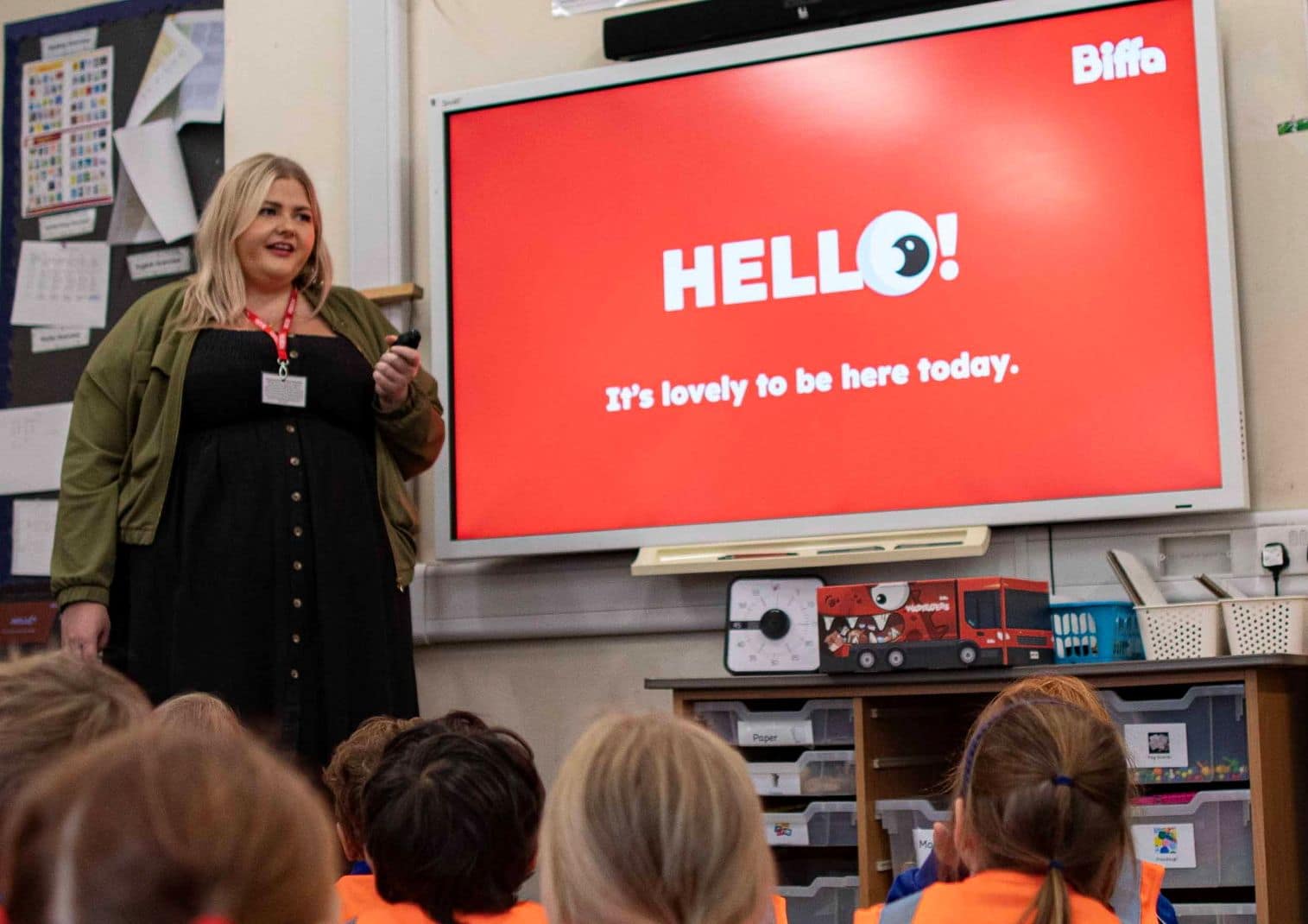
Other disputes are more specific. 27 percent of families argue over wasted food, 23 percent over rinsing and 29 percent over the wrong bin. Georgia Gibson, Biffa Social Value Manager, said: 'Never underestimate the pester power of children. What starts in the classroom can quickly make its way into the family home, with children encouraging parents to recycle more, waste less food and make greener choices.' Biffa's Wasteaters education programme has reached more than 45,000 young people and aims for 55,000, and Biffa published a children's book, Whitney the Wasteater and the Wrong Bite. Biffa is a commercial waste and recycling contractor, and the release promotes that programme and the book.
KT analysis: the rules the arguments are about
The arguments the survey describes are not abstract. In England, Simpler Recycling requires local authorities to collect the same core recyclable materials, including paper and card, plastic, metal, glass, food waste and garden waste where offered, with weekly food waste collections from 31 March 2026. A deposit return scheme for drinks containers is due to launch in October 2027 in England, Northern Ireland and Scotland. Those two dates set the timetable against which household habits are now being measured. The core streams requirement means the material list should be consistent between councils, but the practical detail still varies, and the deposit return scheme will add a separate return route for drinks containers once it starts.
Why do the wrong-bin disputes matter? Contaminated recycling can be rejected at the kerbside by collection crews. A load that contains the wrong material can be refused and sent for disposal, which means the effort of sorting it is lost. That is the practical reason a 29 percent argument over the wrong bin is more than a domestic squabble. The same applies to the 23 percent who argue over rinsing: food residue on dry recycling is a contaminant. The 27 percent who argue over wasted food sit alongside the weekly food waste collection requirement, which gives food waste its own route from 31 March 2026. The survey's finding that 88 percent of families reduced food waste because of a child's education connects directly to that separate collection.
What it means at home
The first practical step is to check the council's own list rather than packaging symbols. Packaging symbols describe the material, not whether the local authority collects it, and the collection service is the thing that decides whether an item is accepted. Rinsing, not washing, is the standard for dry recycling: the aim is to remove food residue without using a full sink of hot water. Food waste should be kept out of dry recycling entirely, because it is a contaminant in that stream and has its own collection under the Simpler Recycling requirements from 31 March 2026. These are the points behind the survey's findings on rinsing and the wrong bin.
The survey's central finding is that 86 percent of parents say their children's environmental education has influenced household recycling habits. 58 percent of children say they know more about recycling than their parents, and 78 percent say they can teach adults to look after the environment. On the evidence of the Biffa research, the child in the house may be the most recently trained person on what the rules now require. That does not settle who puts the bins out, which 17 percent of households argue about, or the 66 percent of men who say they put the recycling out against the 66 percent of women who know what can and cannot be recycled. It does mean the household expert on the material list may not be the adult.
Source: Biffa Insights, 14 September 2026.
Related coverage on Kael Tripton: England Garden Waste Recycling Rules 2026: Charges, Free Alternatives, and What Councils Can and Cannot Do, Biffa recycling services review 2026: what gets recycled and how, Council merger plans paused: what it means for council tax and 2027 elections, Council Tax Reform: What It Could Mean for Your Bill, Heatwave Bin Collection Changes UK: What to Do If Your Council Changes Schedule.
For press offices Kael Tripton reports releases from UK public bodies, operators, regulators and consumer brands, with your images credited and a link to your newsroom. Publication is an editorial decision and is never sold. |
RELATED GUIDES
- England Garden Waste Recycling Rules 2026: Charges, Free Alternatives, and What Councils Can and Cannot Do
- Biffa recycling services review 2026: what gets recycled and how
- Council merger plans paused: what it means for council tax and 2027 elections
- Council Tax Reform: What It Could Mean for Your Bill
- Heatwave Bin Collection Changes UK: What to Do If Your Council Changes Schedule
DISCLAIMER
Survey figures are as published by Biffa and Censuswide on 14 September 2026. Council collection rules vary; check the local authority's own guidance.
Frequently asked questions
What did the Biffa research find about children and recycling?
86 percent of parents say their children's environmental education has influenced household recycling habits. 88 percent of families say a child's education helped them reduce food waste, 68 percent of children have encouraged their family to save electricity and 69 percent to save water, and 21 percent of parents have been corrected by their children for recycling incorrectly.
Who conducted the survey and when was it published?
The research was conducted by Censuswide with Mumsnet for Biffa and published on 14 September 2026 for Recycle Week 2026. It covered 3,000 UK adults and 1,000 children aged five to 16, and Mumsnet analysed 60,000 conversations.
What are the household rules in England now?
Under Simpler Recycling, local authorities in England must collect the core recyclable materials, including paper and card, plastic, metal, glass, food waste and garden waste where offered, with weekly food waste collections from 31 March 2026. A deposit return scheme for drinks containers is due to launch in October 2027 in England, Northern Ireland and Scotland.
Why does putting the wrong item in the recycling bin matter?
Contaminated recycling can be rejected at the kerbside by collection crews and sent for disposal, which means the sorted material is lost. The survey found 29 percent of families argue over the wrong bin and 23 percent over rinsing.
Who is Biffa?
Biffa is a commercial waste and recycling contractor. The release promotes its Wasteaters education programme, which has reached more than 45,000 young people and aims for 55,000, and a children's book, Whitney the Wasteater and the Wrong Bite.
SOURCES
- Biffa - accessed 15 September 2026
- GOV.UK - accessed 15 September 2026
- WRAP Recycle Week - accessed 15 September 2026


