
41% of UK tea buyers usually buy the same tea they have always bought, or the brand they grew up with or their family drank, according to a YouGov survey commissioned by Birchall Tea. The same research found that 6% of tea buyers actively seek out higher-quality tea and 2% choose mainly on where it was grown or produced.
TL;DR · LAST REVIEWED 41% of UK tea buyers usually buy the same tea they have always bought, or the brand they grew up with or their family drank, according to a YouGov survey commissioned by Birchall Tea. The same research found that 6% of tea buyers actively seek out higher-quality tea and 2% choose mainly on where it was grown or produced.
- 41% of tea buyers usually buy the same tea they have always bought, or the brand they grew up with or their family drank, in a YouGov survey commissioned by Birchall Tea.
- 6% of tea buyers actively seek out higher-quality tea and 2% choose mainly on where it was grown or produced.
- 60% of UK adults say taste influences their choice of tea, the same proportion as for coffee, but consumers are 15% more likely to consider country or region of origin when buying coffee than tea.
- 40% of tea-buying over-55s usually buy the same tea, against 21% of 18 to 24-year-olds and 20% of 25 to 34-year-olds.
KEY FACTS
- Stick with habit: 41% of tea buyers buy the tea they always have or the brand they grew up with
- Seek higher quality: 6% of tea buyers
- Choose by origin: 2% of tea buyers
- Taste matters: 60% of UK adults for tea, same as coffee
- Survey: YouGov, 2,091 UK adults, 25-26 August 2026, commissioned by Birchall
- Campaign: Planned £1 million, including Birchall's first TV advert on ITV1
What the YouGov survey found
Based on a Birchall Tea release distributed by Kitten & Shark, September 2026. The YouGov survey was commissioned by Birchall, which sells Great Rift Breakfast Tea.
YouGov surveyed 2,091 UK adults online on 25-26 August 2026, and the figures are weighted and representative of all UK adults aged 18 and over. The findings on how people choose tea are based on 1,609 respondents who buy tea. The research was commissioned by Birchall Tea, a fifth-generation family-owned British tea company, whose founder and managing director is Dan Graham. Birchall is preparing a planned 1 million pound marketing investment, so the survey sits alongside a commercial campaign rather than standing alone as neutral market research.
The headline habit figure is that 41% of tea buyers usually buy the same tea they have always bought, or the brand they grew up with or their family drank. A much smaller group, 6% of tea buyers, actively seeks out higher-quality tea, and 2% choose mainly on where it was grown or produced. Taste is the dominant stated influence: 60% of UK adults say taste influences their choice of tea, the same proportion as for coffee. Origin, by contrast, is considered 15% more often for coffee than for tea. In other words, the survey suggests that many tea purchases are repeat purchases, while coffee buying is more likely to involve a question about where the beans came from.
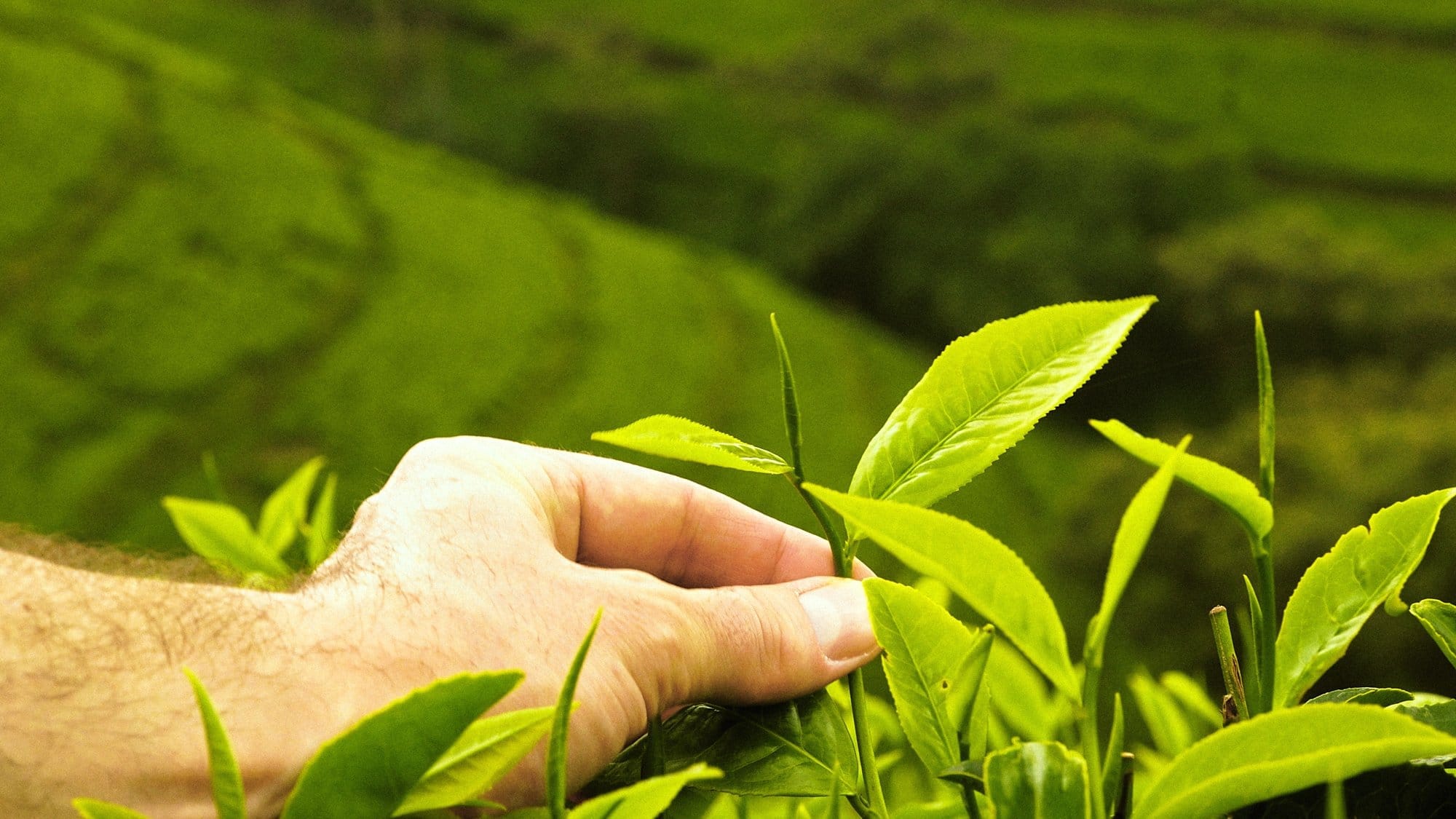
Age, region and gender differences
Habit is not evenly spread across age groups. Among tea-buying over-55s, 40% usually buy the same tea, against 21% of 18 to 24-year-olds and 20% of 25 to 34-year-olds. Younger buyers are more likely to describe their choice in family terms: 21% of 18 to 24-year-olds usually buy the brand they grew up with or their family drank, against 6% of over-55s. There is also a small group of experimenters. 10% of tea-buying 25 to 34-year-olds regularly try different teas or brands, against 2% of 45 to 54-year-olds. The pattern is not a simple story of younger shoppers rejecting habit, because the family brand answer is highest among the youngest group, but it does show that the over-55s are the most consistent repeat buyers.
Regional differences appear in the data. In London, 12% consider country or region of origin when buying tea, against 9% nationally, and 15% consider ethical or sustainability credentials, against 11% nationally. London tea buyers are also less likely to stay with the same tea: 27% usually buy the same tea, against 32% nationally and 42% in the East of England. Gender differences are modest but present. Women are more likely than men to consider taste, at 63% against 57%, and ethical credentials, at 16% against 12%. These are stated influences in a survey, not observed purchases, so they describe what buyers say matters to them rather than what they do at the shelf.
Birchall's campaign and film series
Birchall plans a 1 million pound marketing investment including its first TV advert, a 30-second film on ITV1, launching in September 2026. The campaign is supported by digital, social and retail activity in Waitrose and Ocado through September. Alongside the advert, Birchall has made a six-part film series, each episode about two minutes, 13 minutes in total, following Dan Graham and conservation leaders supported by Tusk through Rwanda and Kenya. Birchall contributes to the charity Tusk from every pack of Great Rift Tea sold. The company says Great Rift Breakfast Tea is the first UK tea brand to win 16 consecutive Great Taste Awards and that its range has won 101 Great Taste Awards since 2011. Those are company claims rather than independent findings.
Dan Graham said tea has largely been bought out of habit and that he wants people to ask the same questions about tea as they do about coffee: where it was grown, who produced it and what makes it special. That statement aligns with the survey findings, which show origin is a minor factor in tea choice compared with coffee. The campaign therefore uses the habit data as its starting point and presents provenance as the alternative. For shoppers, the practical question is whether the information needed to compare teas on origin is available at the point of purchase. The release gives no price information, so no claim can be made about whether premium tea costs households more.
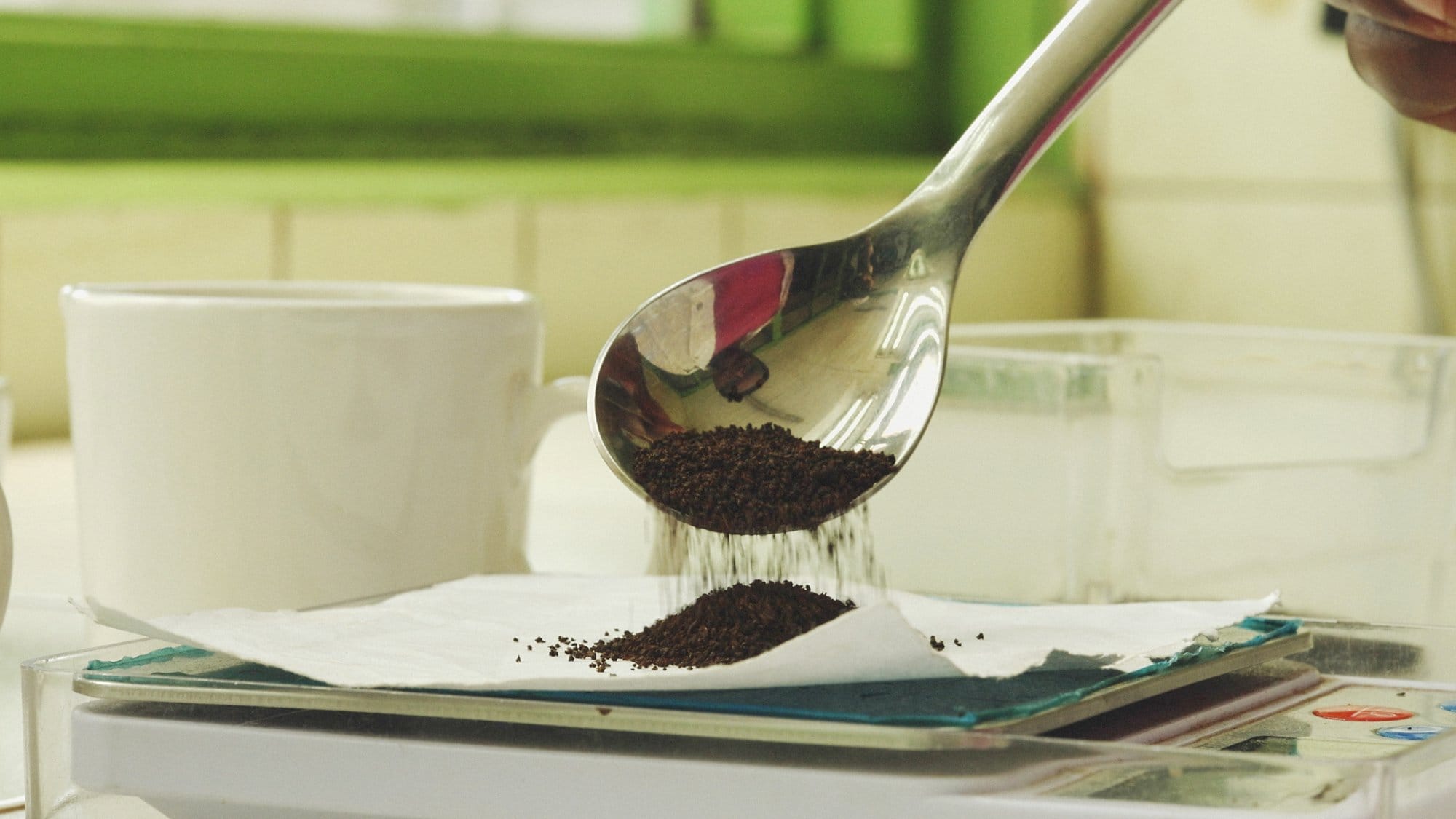
KT analysis: reading a commissioned survey
The research was commissioned by a tea brand whose campaign is built on provenance, so the findings support its marketing case. That does not make the numbers wrong, but it does shape which questions were asked and which results were released. The sample is weighted and representative of UK adults, and the habit figures come from 1,609 tea buyers, which is a reasonable base for the headline percentages. The survey was conducted online on 25-26 August 2026, so it captures a snapshot rather than a long-term trend. The release gives no data on prices, so no claim can be made about whether premium tea costs households more. It also gives no data on how buyers behave when a familiar product is unavailable or when a retailer changes its range.
For shoppers who want to compare teas on origin, the details are on the pack or the retailer page. The survey suggests that 41% of tea buyers are not currently looking for that information, and that only 2% choose mainly on where the tea was grown or produced. The gap between coffee and tea on origin, at 15%, is the commercial opportunity Birchall is targeting with its 1 million pound campaign. Whether the campaign changes behaviour is a separate question from whether the survey accurately describes current habits. The figures describe stated influences and usual purchases, not a controlled test of what happens when provenance information is placed in front of a shopper.
Source: Birchall Tea.
Related coverage on Kael Tripton: UK Inflation Holds at 2.8 Percent in May 2026: What It Means for Energy Bills Food Prices and Mortgages, El Niño warning: what the climate shift means for UK food prices and household bills, UK Shoplifting Crisis: How Retail Crime Adds to Grocery Prices and Insurance Premiums, Bank Holiday Supermarket Opening Times: Monday 31 August 2026, UK Supermarket Market Share 2026: Tesco, Aldi, Lidl and Who's Winning.
For press offices Kael Tripton reports releases from UK public bodies, operators, regulators and consumer brands, with your images credited and a link to your newsroom. News coverage is an editorial decision and is never paid for. Organisations can separately publish a release in full under their own name, clearly labelled as sponsored. |
RELATED GUIDES
- UK Inflation Holds at 2.8 Percent in May 2026: What It Means for Energy Bills Food Prices and Mortgages
- El Niño warning: what the climate shift means for UK food prices and household bills
- UK Shoplifting Crisis: How Retail Crime Adds to Grocery Prices and Insurance Premiums
- Bank Holiday Supermarket Opening Times: Monday 31 August 2026
- UK Supermarket Market Share 2026: Tesco, Aldi, Lidl and Who's Winning
DISCLAIMER
This story is based on a company press release and research commissioned by that company. Kael Tripton has not independently verified the survey. Product claims are the company's own.
Frequently asked questions
What percentage of tea buyers stick with the same tea?
41% of tea buyers usually buy the same tea they have always bought, or the brand they grew up with or their family drank, according to the YouGov survey commissioned by Birchall Tea.
Who commissioned the YouGov survey on tea buying habits?
The survey was commissioned by Birchall Tea, a fifth-generation family-owned British tea company. YouGov surveyed 2,091 UK adults online on 25-26 August 2026, with tea choice findings based on 1,609 respondents who buy tea.
How does origin influence coffee buying compared with tea?
Consumers are 15% more likely to consider country or region of origin when buying coffee than tea, according to the survey. For tea, 2% of buyers choose mainly on where it was grown or produced.
What is Birchall planning to spend on marketing?
Birchall plans a 1 million pound marketing investment including its first TV advert, a 30-second film on ITV1, launching in September 2026, supported by digital, social and retail activity in Waitrose and Ocado through September.
Does the survey include price information?
No. The release gives no price information, so no claim can be made about whether premium tea costs households more.
SOURCES
- Birchall Tea - accessed 17 September 2026
- ONS: Inflation and price indices - accessed 17 September 2026


