
Shacks founder Harry Tomkinson says a night in one of its off-grid cabins typically costs around 150 to 200 pounds, depending on the cabin, location and time of year. Bedding, towels, hot water, cooking facilities and firewood are included, with deliberately no television or Wi-Fi. All sites take dogs, normally for a small extra charge.
TL;DR · LAST REVIEWED Shacks founder Harry Tomkinson says a night in one of its off-grid cabins typically costs around 150 to 200 pounds, depending on the cabin, location and time of year. Bedding, towels, hot water, cooking facilities and firewood are included, with deliberately no television or Wi-Fi. All sites take dogs, normally for a small extra charge.
- Around £150 to £200 a night, varying by cabin, location and season
- Bedding, towels, hot water, cooking facilities and firewood included; no TV or Wi-Fi
- Every site is dog friendly, usually with a small extra charge
- Landowners receive a share of revenue, more if they help run the site
KEY FACTS
- Interviewee: Harry Tomkinson, founder of Shacks
- Typical nightly price: around £150 to £200
- Included: bedding, towels, hot water, cooking facilities, firewood
- Not included: television and Wi-Fi, by design
- Dogs: all sites, normally a small extra charge
- Next regions named: Shropshire, Yorkshire, Peak District, Lake District, Herefordshire
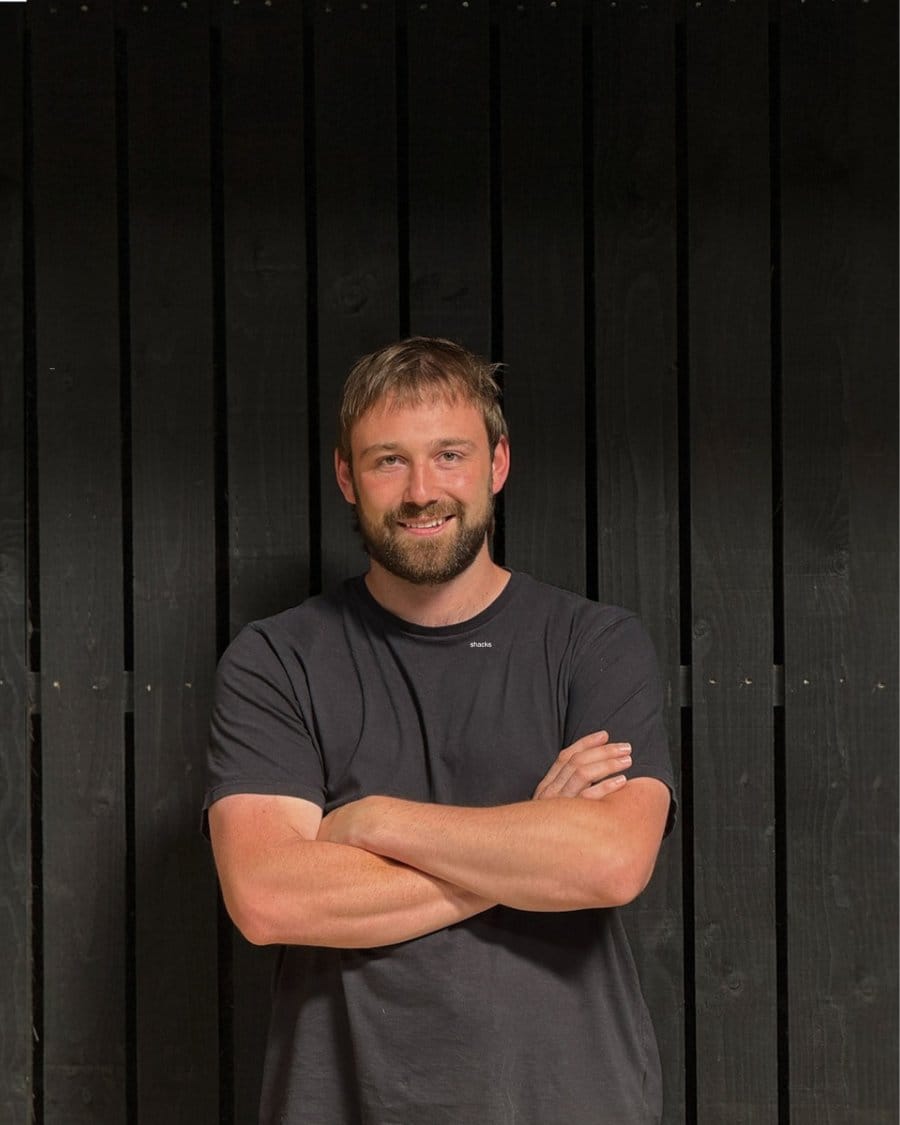
Shacks places off-grid cabins on private land and is growing from 19 cabins to 61. Its founder, Harry Tomkinson, answered Kael Tripton's questions in writing on how the land-host model works, what a night costs and what is included, dogs, cancellations and weather, how sites are chosen and where the next cabins are going.
|
Editor's note: the regions below are as named by Harry Tomkinson. The Shacks release of 14 September 2026 named Shropshire, the Scottish Borders, Surrey, Wiltshire and the Lake District.
How does the land-host model work in practice?
It varies a bit from site to site, but generally we try to make it as simple as possible for the landowner. We fund the cabin, get it onto site and can look after the bookings, guests and general running of it. The landowner provides the land and receives a percentage of the revenue in return.
Some of our landowners want to be more involved and will take on some of the day-to-day operation of the cabins in return for an additional share of the income. Others would rather leave us to it completely. We’re quite flexible really and try to find something that works for each site rather than having one rigid model.
What does a break cost per night, and what is included?
It varies depending on the cabin, location and time of year, but generally you’re looking at around £150 to £200 a night.
Everything you actually need is there, including bedding, towels, hot water, cooking facilities and firewood for the wood burner. What you generally won’t find is a television or Wi-Fi.
That’s quite deliberate. We started Shacks because we liked the idea of having somewhere you could disappear to for a couple of days and not have much to do. We’re probably one of the few accommodation businesses actively trying to give people less.
Can guests bring dogs, and is there a charge?
All of our sites are pet friendly. There is normally a small additional charge for bringing a dog, but we’ve always felt that if you’re heading off to the countryside for a couple of days, it seems a bit mean to make the dog stay at home.
How are new sites chosen, and how remote are they?
There isn’t a particularly scientific formula, which probably isn’t the answer I’m supposed to give.
Normally we know quite quickly when we see somewhere. We’re looking for privacy, a great view and somewhere that feels genuinely peaceful.
The trick is trying to make the experience feel properly remote and private whilst still being reasonably close to amenities. It’s a surprisingly difficult balance to get right and our rather unsophisticated solution is basically to go and look at lots and lots of sites until we find the right ones.
What happens with cancellations and bad weather?
We have standard booking and cancellation terms which guests agree to when they book and the exact details are set out clearly at the point of booking.
In terms of weather, these are off-grid cabins in the British countryside, so unfortunately we haven’t yet worked out how to control that bit. Generally they operate throughout the year and if there is genuinely severe weather or an issue which makes a cabin inaccessible or unsafe, we deal with it sensibly with the guest.
Which regions are next, and when do new cabins open?
We’ve got quite a few new locations coming through across England and Wales. Shropshire is a big area for us, as well as Yorkshire, the Peak District, the Lake District and Herefordshire.
They won’t all suddenly appear at once. They’ll come online gradually as we get the sites ready and the cabins installed. We’ve learned the hard way that putting exact dates against anything involving building cabins in the British countryside is generally a good way of making yourself look stupid.
What has surprised you most about who books?
Probably how broad the mix of people is.
When we started, I think I imagined it would be quite a specific type of person who wanted to go and spend a couple of nights in a little cabin in the middle of nowhere. It turns out there are quite a lot of us.
We get couples, people with young families, people celebrating something and increasingly people coming completely on their own. I think the common thread is less about age or background and more that people are just looking for a genuine break from normal life.
That’s probably been the biggest surprise for me. We thought we were building cabins for people who loved the outdoors, but quite often what people really seem to be buying is two days of complete solitude.
Planning a countryside break
Before booking, check the operator's cancellation terms, the dog charge and how far the cabin is from the nearest shop. Related guides: Why Pet Insurance Premiums Rise So Much As Your Pet Gets Older, French Bulldog Insurance UK: BOAS, Health Issues and Premium Costs, Does Travel Insurance Cover Car Rental? What It Does and Does Not, UK Bank Holidays: Every Date for England, Scotland and NI, Before You Switch Car Insurance: What Mid-Term Cancellation Costs.
RELATED GUIDES
- Why Pet Insurance Premiums Rise So Much As Your Pet Gets Older
- French Bulldog Insurance UK: BOAS, Health Issues and Premium Costs
- Does Travel Insurance Cover Car Rental? What It Does and Does Not
- UK Bank Holidays: Every Date for England, Scotland and NI
- Before You Switch Car Insurance: What Mid-Term Cancellation Costs
DISCLAIMER
This is an editorial interview. Answers were supplied in writing by Shacks and are published as given. Prices and terms are set by the operator and can change, so check them at the point of booking. Kael Tripton does not take bookings on this page.
Frequently asked questions
How much does a Shacks cabin cost per night?
Harry Tomkinson says it is generally around £150 to £200 a night, depending on the cabin, location and time of year.
What is included in a Shacks cabin stay?
Bedding, towels, hot water, cooking facilities and firewood for the wood burner. There is deliberately no television or Wi-Fi.
Can you take a dog to a Shacks cabin?
Yes. All Shacks sites are pet friendly, with normally a small additional charge for a dog.
How does the Shacks land-host model work?
Shacks funds the cabin, installs it and can run bookings and guests. The landowner provides the land and receives a percentage of the revenue, with an additional share if they take on day-to-day operation.
Where are new Shacks cabins opening?
Harry Tomkinson names Shropshire, Yorkshire, the Peak District, the Lake District and Herefordshire, with sites opening gradually and no fixed dates given.
SOURCES
- Shacks - accessed 17 September 2026
- Consumer Rights Act 2015, legislation.gov.uk - accessed 17 September 2026


