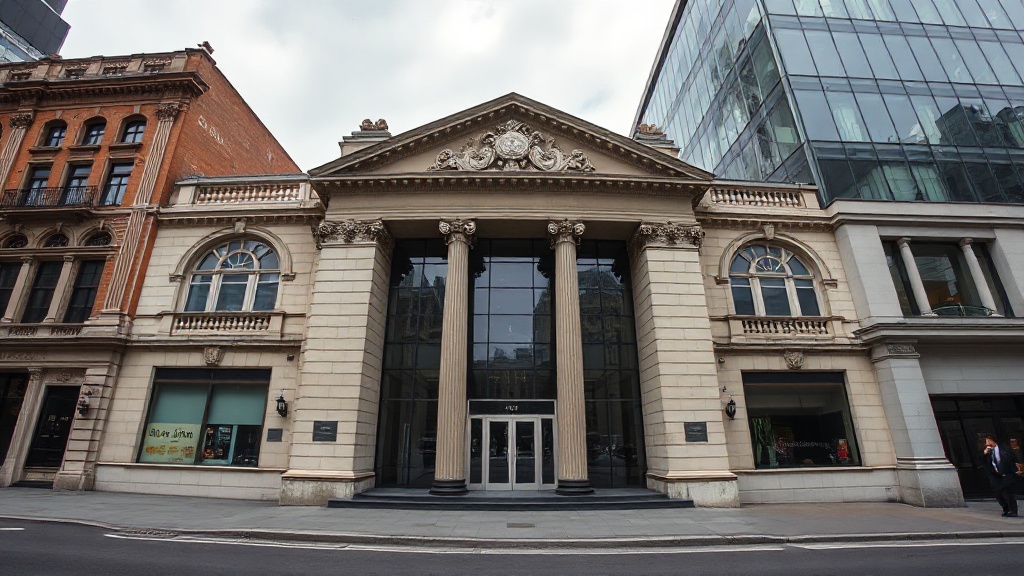
UK Bank Ring-Fencing Reform 2026: Treasury Eases Post-Crisis Rules, Unlocks £80bn Lending
HM Treasury set out plans on 18 May 2026 to ease the post-2008 ring-fencing rules on UK banks, with a projected £80 billion in additional business lending. The reforms target the five largest UK banks: Lloyds, NatWest, HSBC, Barclays and Santander UK.
UK Challenger vs High Street Banks Compared
UK challenger banks (Monzo, Starling, Chase, Atom, Revolut) compete with traditional high-street banks on app features, fees, and onboarding. Both offer FSCS protection where banking licences apply. This guide compares the differences.
UK Bank Account: The Complete Guide
UK bank accounts include current, basic, e-money, joint, and savings. Eligibility, FSCS protection up to GBP 85,000, the 7-day switching guarantee, and APP fraud reimbursement set the framework. This guide covers each account type and the regulatory regime.
UK Business Lending Routes: Banks, Fintech, Government
UK businesses can borrow from established banks, fintech lenders, peer-to-peer platforms, asset finance providers, and via government-backed schemes administered by the British Business Bank. The right route depends on loan size, business stage, security available, and speed of decision
UK Business Credit Cards Compared
UK business credit cards provide short-term credit, expense management, and rewards on business spending. Cards split into three categories: standard business credit cards (revolving credit), charge cards (full settlement each month), and prepaid expense cards. Personal guarantees from
UK Business Banking and Finance: The Complete Guide
UK businesses use a stack of banking and finance services: business current accounts, credit cards, overdrafts, term loans, asset finance, invoice finance, and equity finance. This guide explains how each fits together, who the main providers are, and how the FCA-regulated landscape
UK Business Bank Accounts Compared: 2026
UK business bank accounts vary in fee structure, included transactions, integration with accounting software, and lending availability. Established banks offer fuller service ranges and physical branches; challenger banks and fintechs offer lower fees and faster digital onboarding.