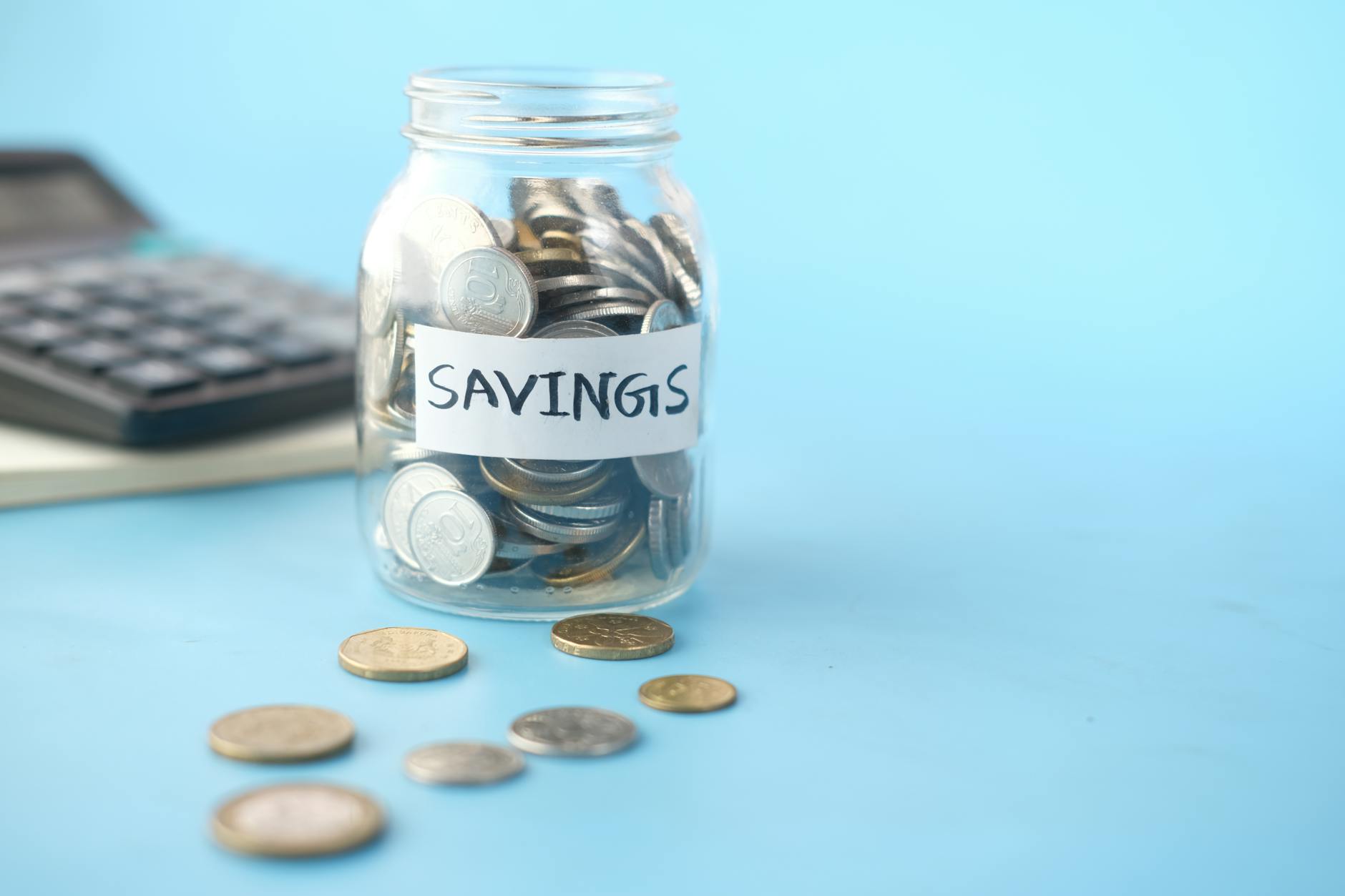
The Individual Savings Account (ISA) annual allowance for the 2026-27 tax year (6 April 2026 to 5 April 2027) is £20,000 per person. Savings and investments held inside an ISA grow free from UK income tax and capital gains tax. The allowance cannot be carried forward to the next tax year - any unused allowance is lost at the end of the tax year on 5 April.
The ISA rules for 2026-27 allow savers to split the £20,000 allowance across multiple ISA types in the same tax year, following the rule changes introduced in April 2024. This replaced the previous restriction of opening only one ISA of each type per year.
Types of ISA in 2026
Cash ISA. Deposits held with a bank or building society, earning interest free from income tax. Rates vary by provider. Best buy cash ISA rates are published on the Bank of England website and comparison services regulated by the FCA. Easy access and fixed-term options are available.
Stocks and shares ISA. Investments (shares, funds, bonds) held in a wrapper free from capital gains tax and income tax on dividends. Returns are not guaranteed. Suitable for longer-term saving of five years or more.
Lifetime ISA (LISA). Open to adults aged 18 to 39. Allows up to £4,000 per year, with a 25% government bonus (up to £1,000 per year). Can only be used to buy a first home (purchase price up to £450,000) or from age 60. Withdrawals for any other purpose incur a 25% penalty charge, which recovers the bonus and imposes an additional charge on the original savings.
Innovative finance ISA. Holds peer-to-peer loans or similar alternative investments. Higher risk than cash ISAs. Providers must be FCA-authorised.
ISA transfer rules
ISA balances can be transferred between providers at any time without losing the tax-free status or using up the annual allowance. Transfers must be requested through the receiving provider using the formal transfer process - withdrawing the money and redepositing it does not constitute a valid ISA transfer and loses the tax-free status on that amount.
Transfers from a stocks and shares ISA to a cash ISA require selling the investments first (subject to market timing risk). Transfers in the other direction can be made in cash.
Related:
For personal finance guides, mortgage rates, insurance comparisons and UK money news visit kaeltripton.com.
This article is for informational purposes only. All facts sourced from publicly available reports at time of publication, 31 May 2026.
Sources: HMRC ISA guidance at gov.uk/individual-savings-accounts; Bank of England savings rate data; FCA register of ISA providers at register.fca.org.uk.