
TL;DR
Prince George is second in the line of succession and will inherit the title of Prince of Wales after his father becomes King. Royal children typically attend major family events as children and take on full engagements as adults.
Prince George is second in the line of succession after his father William, the Prince of Wales, and will inherit the title of Prince of Wales when his father becomes King. Royal children typically attend major family events as children and gradually take on full engagements as adults, with education at independent schools followed by university and military service.
Line of succession and titles
Prince George is currently second in the line of succession under the Succession to the Crown Act 2013. The Act removed the historic priority for male heirs over female heirs and updated the rules on marriage to a Roman Catholic.
George does not yet hold a title of his own beyond being a prince. When his father becomes King, the title of Prince of Wales typically passes to the heir apparent. The Duchy of Cornwall, an estate worth around £1 billion, supports the holder of the title.
Education and protocol
Prince George attends Lambrook School in Berkshire alongside his siblings Princess Charlotte and Prince Louis. Royal children's education has shifted in recent generations from home tutoring towards mainstream independent schools.
His grandfather King Charles attended Gordonstoun in Scotland; his father William attended Eton College. Education decisions are private to the family, with the school choices for George and his siblings published only when the children begin.
Public appearances so far
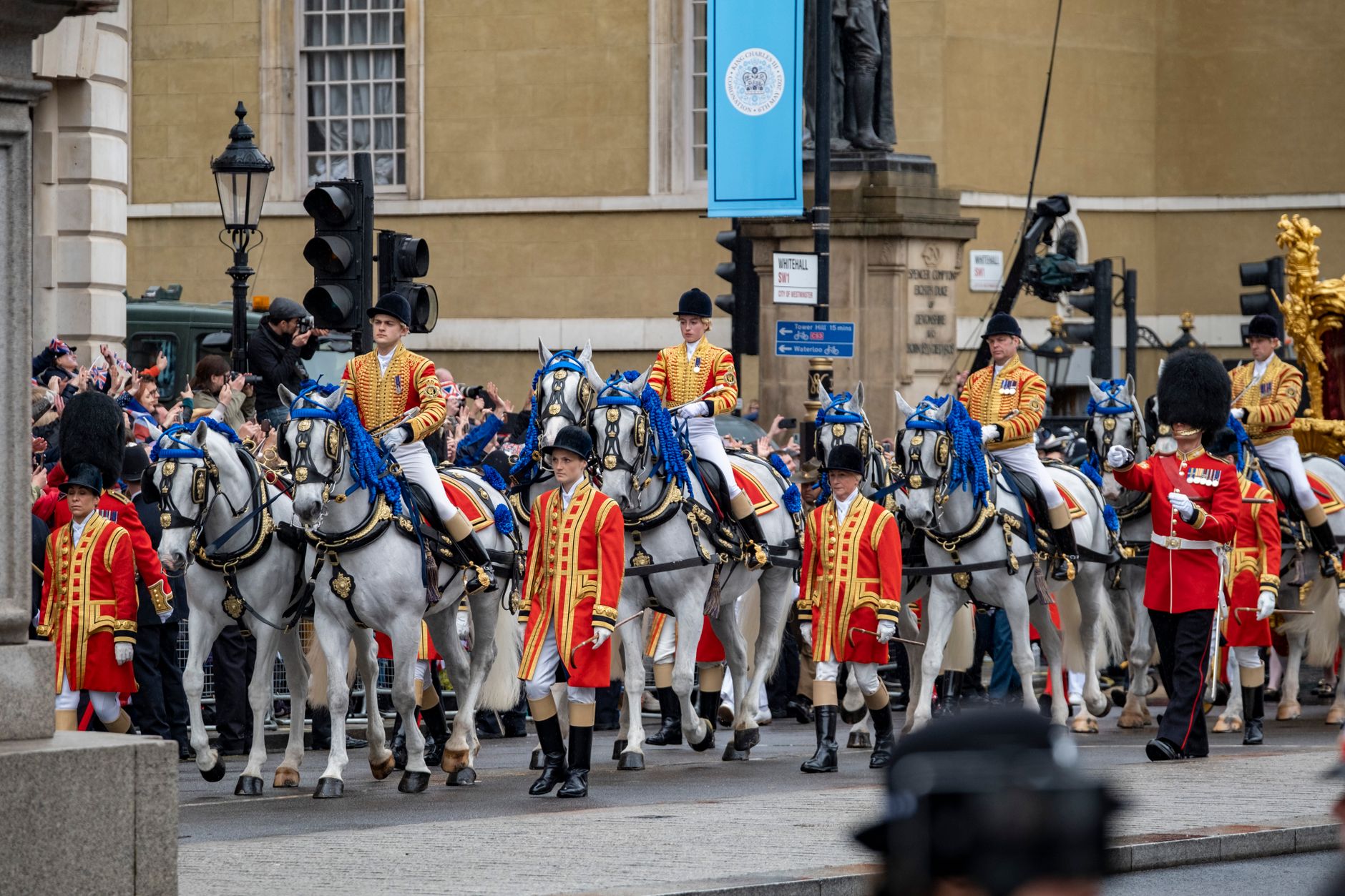
Prince George has appeared at major family events including Trooping the Colour, Christmas Day services at Sandringham, the King's Coronation in 2023 and the Queen's funeral in 2022. Royal children do not undertake working engagements at this age.
The Royal Household generally avoids publishing photographs of the children outside official portraits. Privacy guidance under the Independent Press Standards Organisation's editorial code supports limits on day-to-day coverage.
How royal children become working royals
Working royal status traditionally begins after university or military service. Prince William attended the University of St Andrews before serving in the Household Cavalry, the Royal Air Force and the Royal Navy.
Patronages, charity work and public engagements gradually build during the transition. Working royals typically have their engagements published in the Court Circular and on royal.uk.
Public profile management
The Royal Household and Kensington Palace manage the public profile of the Wales children through controlled portrait releases for birthdays and major occasions. Personal sharing on social media is permitted; commercial reuse is not without permission.
The Queen's Reading Room, the Royal Foundation Centre for Early Childhood and other charity initiatives provide the broader family's public framework for child welfare and early years messaging.
Key facts
- Prince George is second in the line of succession.
- Will inherit Prince of Wales title after his father becomes King.
- Attends Lambrook School in Berkshire.
- Children's privacy supported by IPSO editorial code.
- Working royal engagements typically begin after university or military service.
FAQ
Where is Prince George in the line of succession?
Second, after his father the Prince of Wales. The Succession to the Crown Act 2013 governs the line of succession and gives women equal claim regardless of birth order.
Where does Prince George go to school?
Lambrook School in Berkshire, alongside Princess Charlotte and Prince Louis. The Royal Household announced the school choice when the children began.
When will Prince George start public engagements?
Royal children do not undertake working engagements at this age. Working royal status traditionally begins after university or military service, often in late teens or early twenties.
Will he become Prince of Wales?
The Prince of Wales title typically passes to the heir apparent when the current holder becomes King. The Duchy of Cornwall estate, worth around £1 billion, supports the holder of the title.


