
TL;DR
Wildfire risk rises during UK heatwaves, with the Met Office Fire Severity Index showing high or very high readings across heathland and moorland. Local fire and rescue services issue burn bans and respond to ignition sources from barbecues and discarded cigarettes.
Wildfire risk rises during UK heatwaves, particularly across heathland, moorland and forestry. The Met Office Fire Severity Index shows high or very high readings across much of England and Wales during the current spell, and local fire and rescue services issue burn bans and respond to ignition sources from barbecues and discarded cigarettes.
How the Fire Severity Index works
The Met Office Fire Severity Index combines temperature, humidity, wind, rainfall and fuel moisture to produce a five-level fire risk classification. The scale runs from low through very high.
Levels reflect how easily a fire can start and spread. National parks, local authorities and landowners use the index to decide whether to issue burn bans or close visitor sites.
Where fires typically start
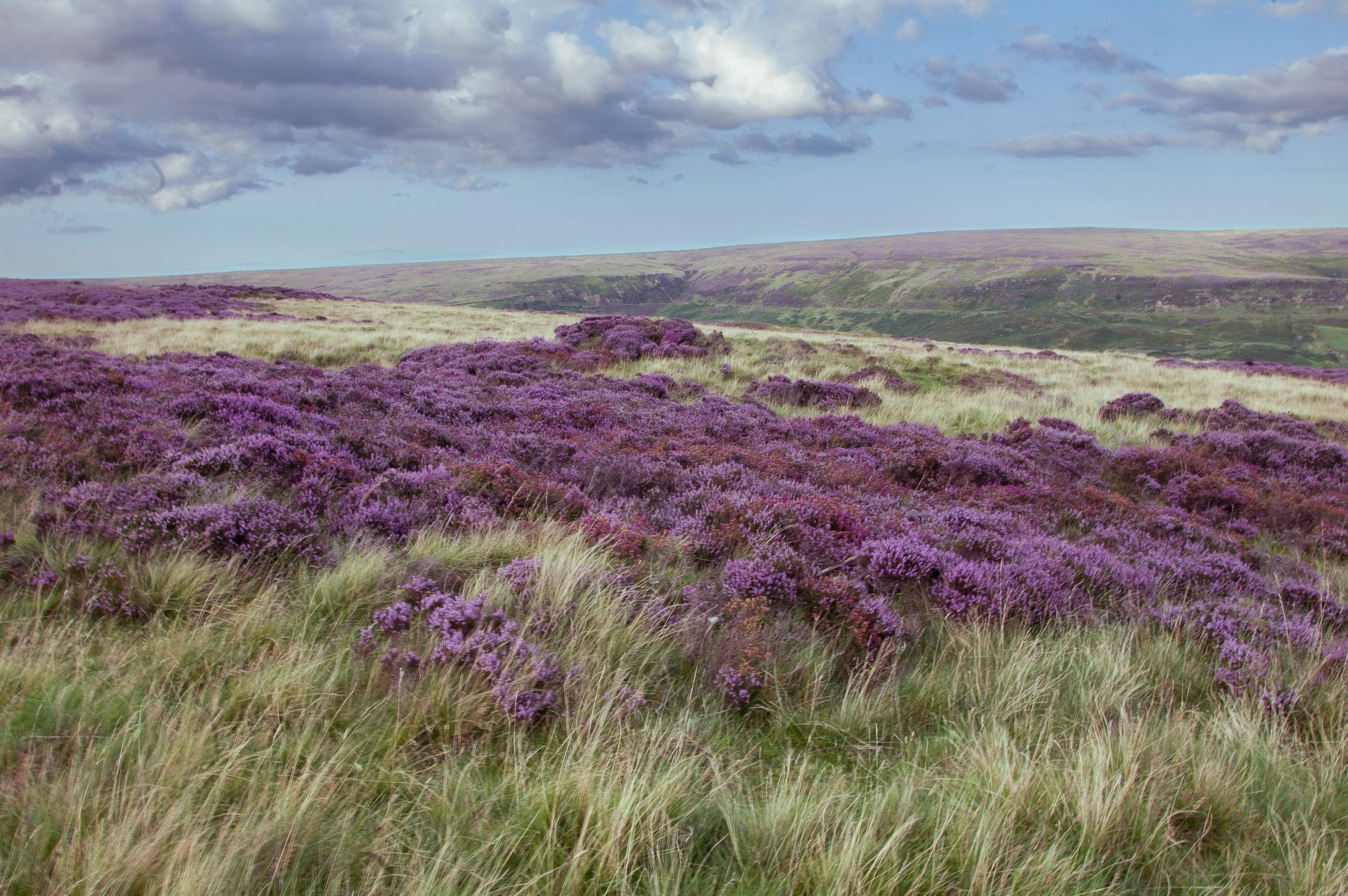
Heathland, moorland and dry grassland are the most vulnerable. Pine forestry can also burn rapidly because resin in the needles ignites easily and crowns can carry fire over wide areas.
Ignition sources are usually human. Discarded cigarettes, abandoned barbecues, glass that focuses sunlight, sparks from machinery and deliberate fire-setting all feature in fire investigation reports.
Burn bans and access restrictions
National parks, heathland trusts and individual estates issue burn bans during high-risk periods. The bans cover barbecues, cigarettes, open fires and stoves. Fines apply for breaches under specific bylaws.
Some open access land may close to the public during very high risk. Notices appear on park entrances and on the relevant authority's website. The Countryside Code applies year-round and includes fire safety as a core principle.
What members of the public can do
Avoid lighting barbecues or any open flame on heathland, moorland or in forests during high-risk periods. Use designated picnic and barbecue areas where they exist, with the embers properly extinguished and disposed of.
Report smoke or fire by dialling 999 and asking for the fire service. Note the location as precisely as possible, using grid references, what3words or descriptive landmarks. The Countryside Code reminds visitors to take all litter home, particularly glass.
How fire and rescue services respond
Fire and rescue services use specialist wildfire teams during high-risk periods. Equipment includes beating tools, water bowsers, off-road vehicles and helicopters with water-bombing capability for remote areas.
Cross-border collaboration between fire and rescue services lets crews respond to large incidents quickly. National Fire Chiefs Council guidance and the National Resilience Plan cover major incident response.
Key facts
- Fire Severity Index runs through five levels.
- Heathland, moorland and pine forestry are most vulnerable.
- Human ignition sources cause most UK wildfires.
- Report fires on 999 and ask for fire service.
- Burn bans apply in many national parks during high risk.
FAQ
Where is wildfire risk highest in the UK?
Heathland, moorland and pine forestry. The Met Office Fire Severity Index identifies high-risk areas during heatwaves. National parks and landowners may issue burn bans and access restrictions.
Can I use a barbecue during a heatwave?
Not on heathland, moorland or in forests during high-risk periods. Use designated picnic areas where they exist and ensure embers are fully extinguished. Local authorities may ban barbecues in parks during heatwaves.
How do I report a fire?
Dial 999 and ask for the fire service. Note the location as precisely as possible using grid references, what3words or descriptive landmarks. Smoke and small fires can grow rapidly in dry conditions.
Are there fines for ignoring burn bans?
Yes, specific bylaws apply in national parks and at heathland sites with burn bans. Fines vary by area but can run into hundreds of pounds. Notices at park entrances list the local rules.


