INSURANCE GUIDE
Beauty Salon Insurance UK
Treatment liability, public liability, employers liability and contents cover for UK beauty salons and spas.
TL;DR
- Treatment liability is the primary cover for beauty salons - it covers claims from treatments causing skin reactions, burns, and injuries.
- BABTAC, VTCT, and other professional bodies require minimum treatment liability cover for members.
- Patch testing conditions in the policy must be met for chemical treatments - records are essential.
- Mobile beauty therapists need cover that follows them to client locations.
Treatment Liability for Beauty Salons
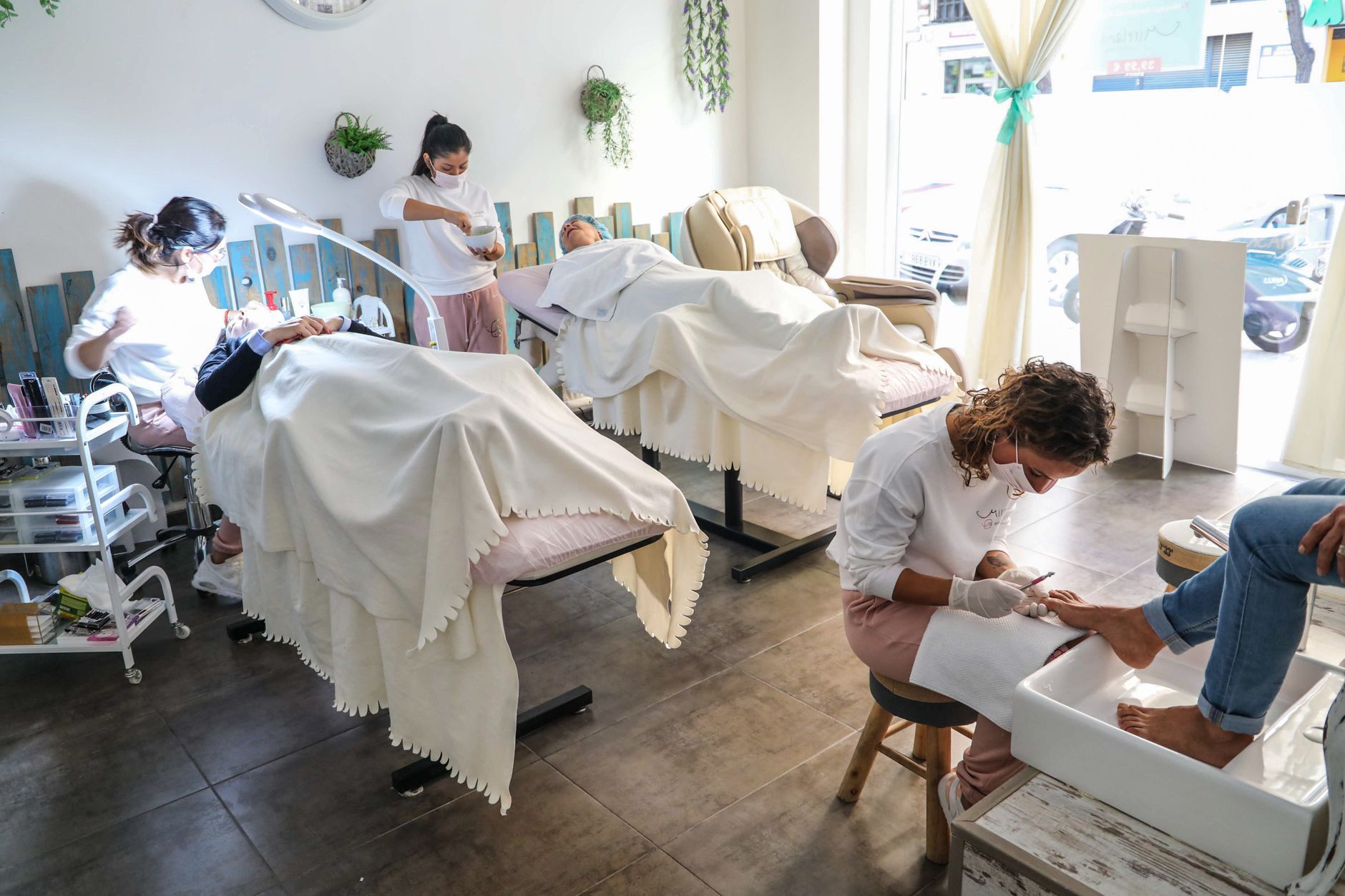
Treatment liability insurance covers claims arising from beauty treatments that cause client harm. Common claim types for beauty salons: allergic reactions to facial peels, waxing products, or nail acrylics; burns from laser treatments, IPL, or hot wax; lash extension reactions causing eye irritation or injury; eyebrow threading causing skin trauma; and injuries from dermaplaning or microneedling. Standard public liability covers slip-and-fall incidents in the salon; treatment liability covers the actual treatments performed.
Facial and Advanced Treatments
Advanced aesthetic treatments - chemical peels, microneedling, laser hair removal, and IPL - carry higher risk profiles than basic facial treatments. Some insurers require additional qualifications or restrict cover for certain advanced treatments unless the therapist holds specific certifications. Disclose all treatments you offer when arranging insurance. Undisclosed treatments are not covered; a claim arising from a treatment not declared at policy inception will be rejected.
Nail, Lash, and Brow Services
Nail extensions, gel applications, lash extensions, and semi-permanent brow treatments create specific liability exposures: product reactions, application errors causing damage to natural nails or lashes, and infections from equipment not properly sterilised. Many treatment liability policies require specific hygiene and sterilisation conditions for these services. Maintain sterilisation records and document that hygiene protocols are followed consistently.
Salon Contents and Equipment
Beauty salon equipment - treatment beds, steamer units, laser and IPL machines, wax heaters, UV lamps, and stock of professional products - is high value and essential to operations. Contents insurance covers this equipment against fire, theft, and accidental damage. High-value laser and IPL machines should be specified individually on the policy to ensure full cover at replacement cost.
Related Guides
Disclaimer
This guide is for general information only and does not constitute financial or insurance advice. Kaeltripton.com is not regulated by the FCA. Always read policy documents in full before purchasing cover.
Sources
Frequently Asked Questions
Does beauty salon insurance cover laser treatments?
Laser and IPL treatments are high-risk services that require specific mention within treatment liability policies. Many insurers require practitioners to hold recognised laser safety qualifications and operate within CQC-registered premises for certain medical-grade devices. Confirm that your specific laser or IPL equipment and the treatments you offer are explicitly covered before offering these services, and obtain written confirmation from the insurer.
Do beauty salons need employers liability insurance?
Yes, if you employ any staff. This includes full-time, part-time, and casual employees, as well as apprentices and Saturday workers. Employers liability insurance of at least £5m is legally required under the Employers Liability (Compulsory Insurance) Act 1969 from the first day any employee works for you. Self-employed chair renters or room renters are a grey area - confirm their employment status with your insurer and ensure room renters hold their own insurance.
|
★ Featured Partner · Sponsored Compare Insurance Quotes Search and compare quotes from leading UK insurers. Quotezone's panel includes specialist insurers not always on the four major comparison sites. Compare Quotes → |