
INSURANCE GUIDE
Holiday Lodge and Leisure Home Insurance UK
Specialist cover for holiday lodges, log cabins and leisure homes on UK park sites.
TL;DR
- Holiday lodges are not covered by standard home insurance - specialist lodge or leisure home insurance is required.
- Park operators typically require evidence of buildings and contents insurance as a condition of the pitch licence.
- Holiday lodges cannot be used as a main residence - occupancy restrictions affect insurance cover type.
- Letting your lodge to holiday guests requires a specific let-out extension on your policy.
Why Holiday Lodges Need Specialist Insurance
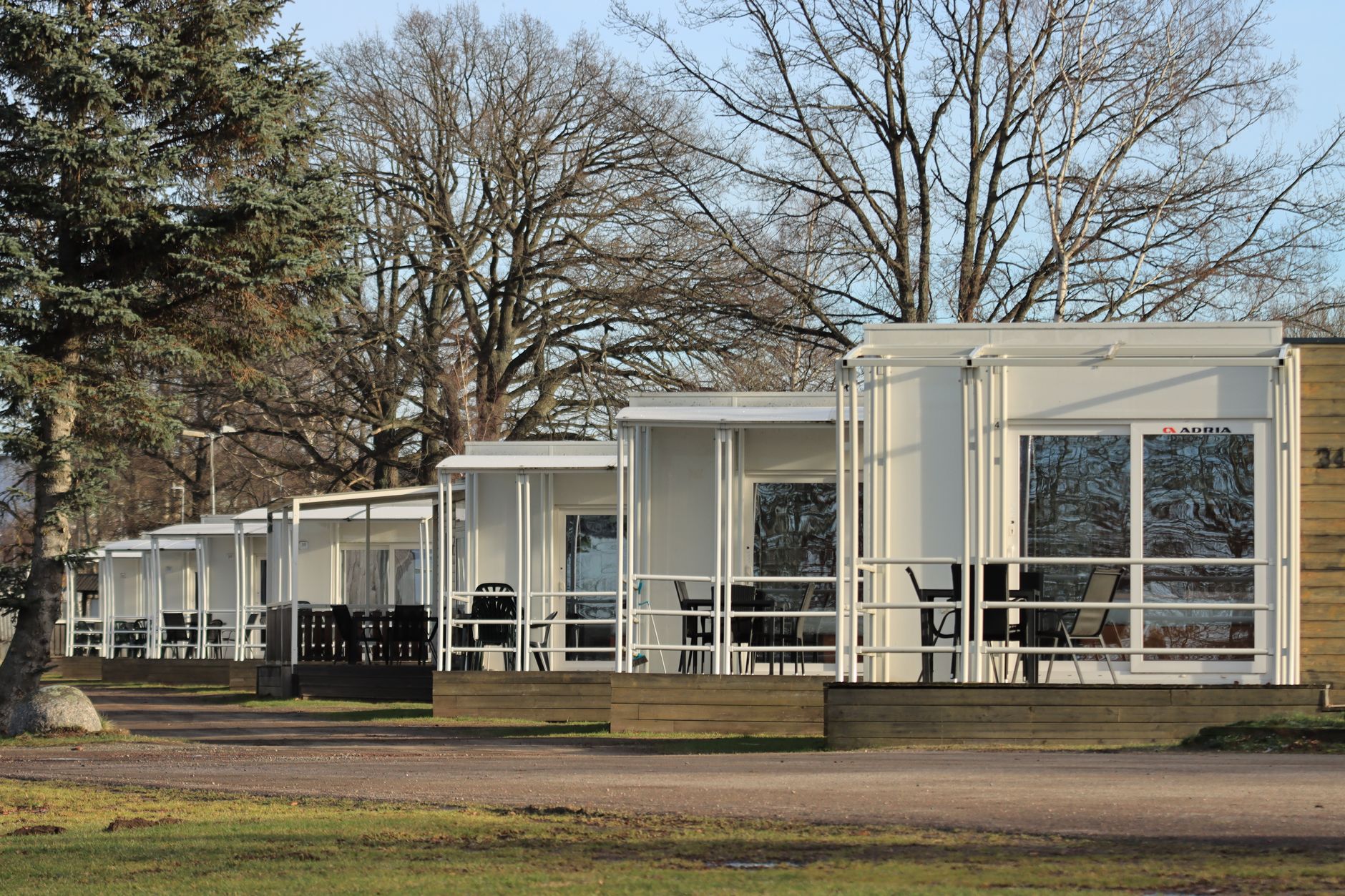
Holiday lodges are timber or composite-clad structures on a permanent base within a licensed leisure park. They are classified as non-standard construction for insurance purposes and cannot be insured under standard home buildings policies. Their location within a park - subject to weather exposure, seasonal use, and proximity to other lodges - creates specific risk characteristics. Park operators typically require licence holders to hold appropriate insurance as a condition of site occupation.
What Lodge Insurance Covers
A specialist holiday lodge policy covers: the lodge structure against fire, storm, flood, and accidental damage; contents including furniture, appliances, and personal effects; third-party liability for injury to guests or visitors; and loss of rental income if the lodge cannot be let following an insured event. The sum insured should reflect the full replacement cost of the lodge as a new manufactured structure, not a bricks-and-mortar equivalent.
Letting Your Lodge
Many lodge owners let their property to paying holiday guests when not using it themselves. Standard lodge owner insurance is rated for owner-occupier or family use. Letting to paying third parties changes the risk profile and requires a specific commercial letting or holiday let extension. Without this, a claim arising during a paying guest's stay may be rejected on the grounds of undisclosed commercial use.
Storm and Flood Exposure
Timber-clad lodges are more vulnerable to storm damage than brick-built properties. Many park sites are in rural or coastal locations with higher wind and flood exposure. Ensure that the policy includes storm and flood cover and check whether any high-risk location loadings or excesses apply. Flood exclusions for parks in known flood zones can significantly limit cover.
Unoccupancy Periods
Holiday lodges are typically unoccupied for extended periods outside the main letting or holiday season. Insurance policies for holiday lodges are designed for seasonal use and should not impose unoccupancy restrictions that are incompatible with the natural use pattern of a leisure home. Confirm that winter unoccupancy periods are within the policy conditions.
Related Guides
Disclaimer
This guide is for general information only and does not constitute financial or insurance advice. Kaeltripton.com is not regulated by the FCA. Always read policy documents in full before purchasing cover.
Frequently Asked Questions
Can I use home insurance for a holiday lodge?
No. Standard home buildings insurance is not designed for holiday lodges and most standard insurers will decline to quote or will issue a policy that does not cover the structure adequately. Lodge insurance uses different construction rating and replacement cost methodologies appropriate for manufactured leisure structures.
Does lodge insurance cover guests who injure themselves?
The public liability section of a lodge policy covers injury to guests and visitors at the property. If you let the lodge to paying guests, a commercial letting extension is needed to ensure the liability cover extends to paying occupants. Confirm the liability limit is appropriate for the number of guests and the nature of any activities available at the site.
|
★ Featured Partner · Sponsored Compare Insurance Quotes Search and compare quotes from leading UK insurers. Quotezone's panel includes specialist insurers not always on the four major comparison sites. Compare Quotes → |


