
INSURANCE GUIDE
Pet Dental Insurance UK
What pet insurance covers for dental treatment, what is excluded, and how to ensure your pet has adequate dental cover.
TL;DR
- Dental illness treatment is excluded from many standard pet insurance policies - dental accidents are more commonly covered.
- Dental disease caused by poor oral hygiene is typically excluded as a preventable condition.
- Some comprehensive pet policies include dental illness cover - check the policy schedule specifically.
- Pre-existing dental conditions are excluded from new policies - insure early before dental problems develop.
What Pet Insurance Typically Covers for Dental Treatment
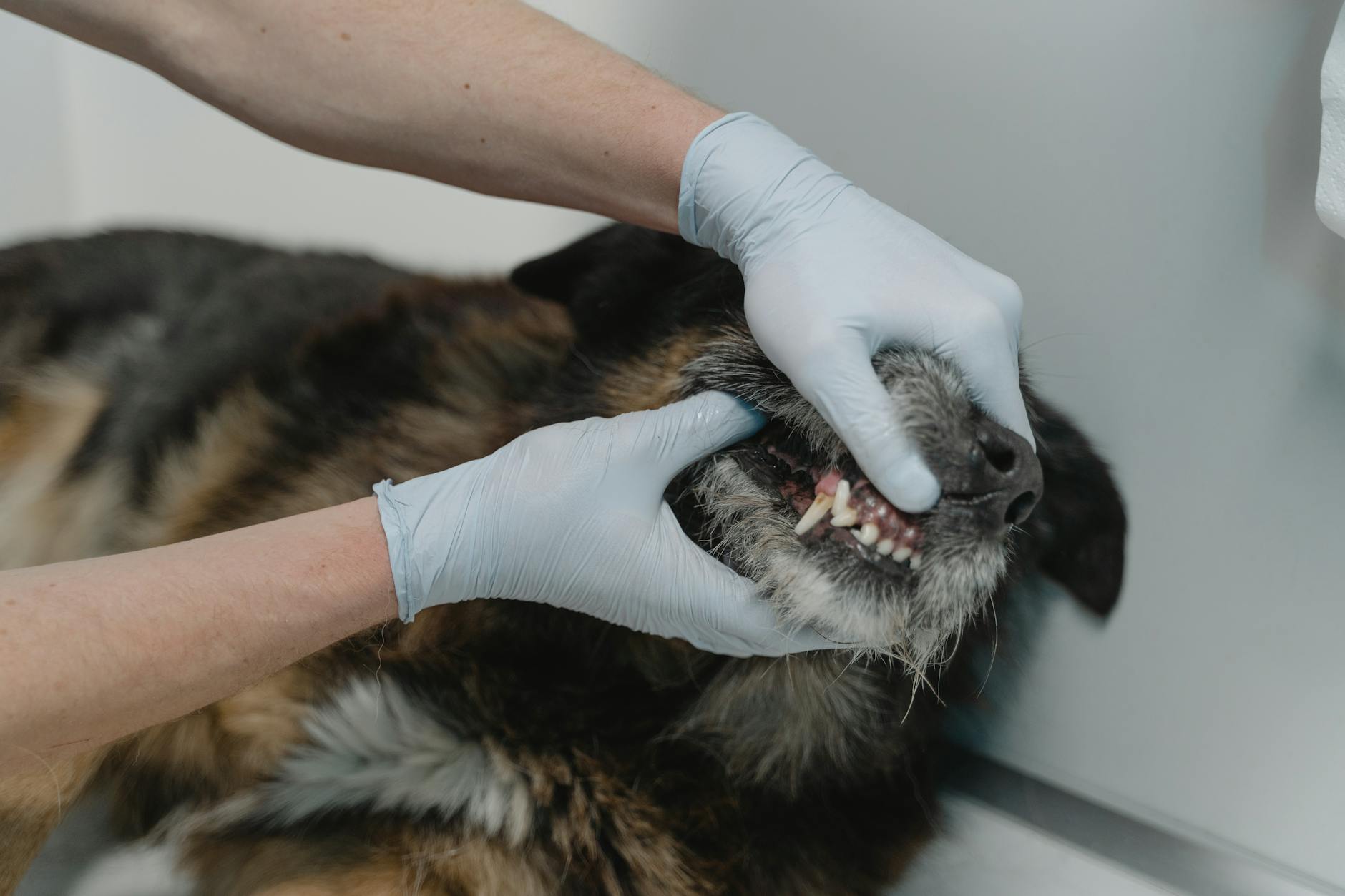
Pet insurance policies vary significantly in their dental cover. Accident-only and time-limited policies rarely include dental illness treatment. Lifetime and comprehensive policies are more likely to include some dental cover, but the scope varies. Most policies cover dental treatment required following an accident - a broken tooth from a trauma, for example. Dental illness - tooth decay, gum disease, periodontal disease, and tooth root abscesses arising from ongoing oral health issues - is excluded from many standard policies.
Dental Illness vs Dental Accident
The distinction between dental accident and dental illness is the critical underwriting dividing line. An accident is a sudden, unforeseen event - a tooth broken by impact, a fractured jaw from a fall. An illness is a condition that develops over time - periodontal disease, gingivitis, tooth resorption in cats, or chronic dental decay. Policies that cover dental accidents but not dental illness may provide limited practical cover given that the most costly dental interventions in pets are typically illness-related.
Preventive Dental Care
Routine dental care - professional scale and polish, dental X-rays as part of a wellness check, tooth brushing training - is not covered by pet insurance. These are preventive measures rather than treatment of injury or illness. Some veterinary health plans (not insurance) include annual dental checks and cleaning as part of a monthly subscription; these complement rather than substitute for insurance.
Pre-Existing Dental Conditions
Any dental condition that existed before the pet insurance policy was purchased will be excluded as a pre-existing condition. Dental problems identified in a vet check before you take out insurance, or conditions noted in veterinary records, will not be covered by the new policy. Insuring your pet while young and before dental issues develop is the most effective way to ensure dental cover is available when needed.
Checking Your Policy
Do not rely on the general policy description - check the policy schedule specifically for dental cover. Look for: whether dental illness is included or excluded; the annual dental treatment limit (some policies cap dental claims separately from overall illness limits); and any conditions such as requiring annual dental checks to maintain dental cover.
Related Guides
Disclaimer
This guide is for general information only and does not constitute financial or insurance advice. Kaeltripton.com is not regulated by the FCA. Always read policy documents in full before purchasing cover.
Frequently Asked Questions
Does pet insurance cover tooth extraction?
Tooth extraction coverage depends on the cause. If the tooth was damaged in an accident, most comprehensive policies cover the extraction. If the tooth requires extraction due to dental disease that developed over time, whether it is covered depends on whether your policy includes dental illness cover. Check the policy wording and the specific reason for extraction before assuming it is covered.
Which pet insurance policies include dental illness cover?
Lifetime pet insurance policies from some providers include dental illness within the main illness cover. The inclusion varies by insurer and even between product tiers from the same insurer. Compare policies specifically on dental illness cover rather than relying on general marketing descriptions. The policy document or key facts document will state explicitly whether dental illness is covered.
|
★ Featured Partner · Sponsored Compare Insurance Quotes Search and compare quotes from leading UK insurers. Quotezone's panel includes specialist insurers not always on the four major comparison sites. Compare Quotes → |


