
INSURANCE GUIDE
Renovation and Home Insurance UK
How home insurance changes during building works, what renovation cover adds, and unoccupied property considerations.
TL;DR
- Tell your insurer before starting significant building works - failure to notify can invalidate your policy.
- Standard home insurance typically suspends cover for accidental damage and may restrict theft cover during renovations.
- Renovation or contract works insurance covers work in progress and building materials on site.
- Properties unoccupied for more than 30-60 days during renovation face specific unoccupancy conditions.
Why Renovation Affects Your Home Insurance
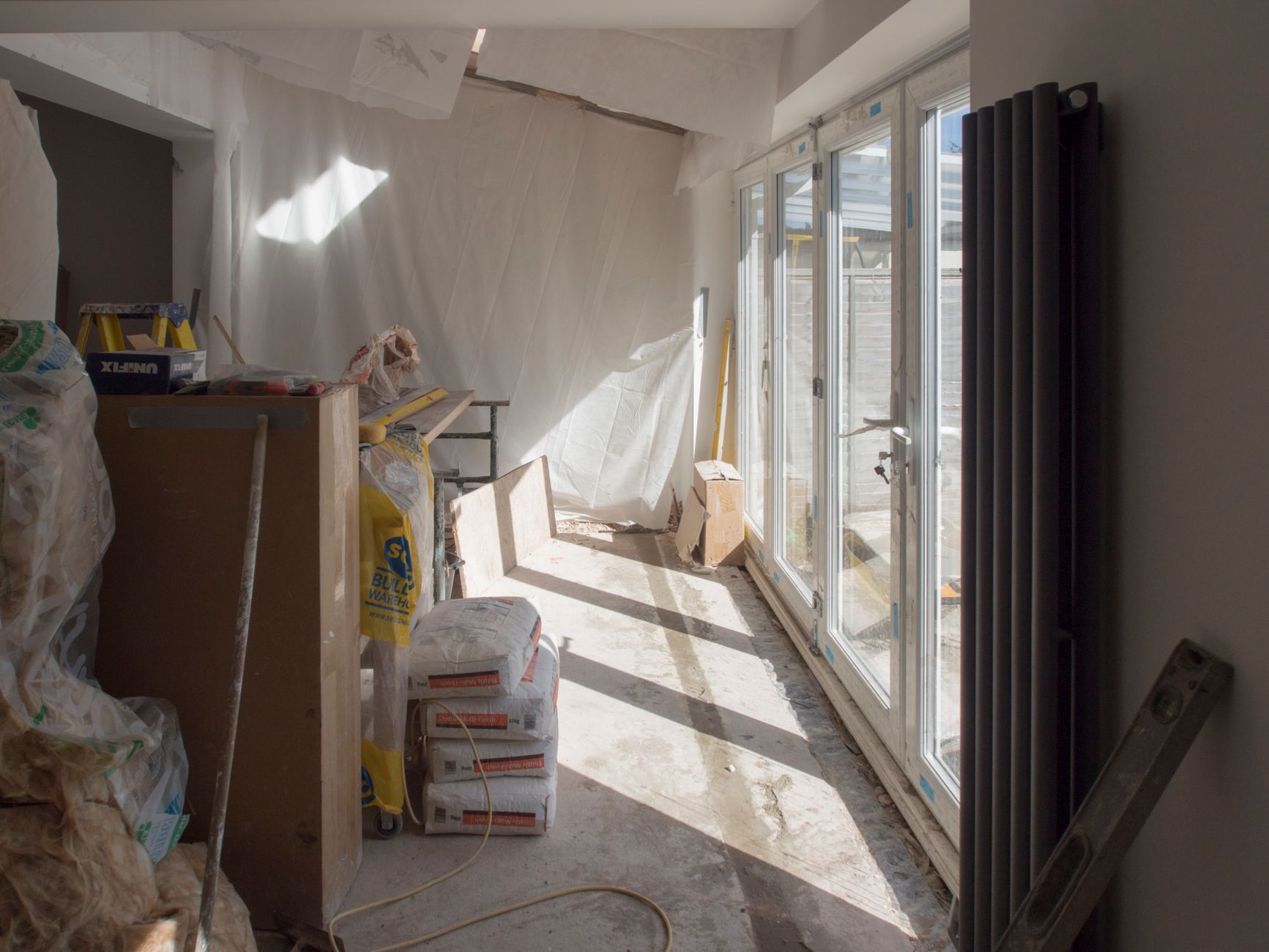
Building works materially change the risk profile of your property. Open walls, exposed roofing, building materials on site, contractors on the premises, and sometimes periods of unoccupancy all increase fire, theft, and liability risk. Standard home insurance policies are written for occupied, structurally intact properties. Undertaking significant works without notifying your insurer is a material non-disclosure that can invalidate the policy for any claim made during the works.
When to Notify Your Insurer
Notify your home insurer before starting any works that: require planning permission or building regulations approval; involve structural alterations; cause the property to be unoccupied for an extended period; or significantly change the construction or value of the property. Minor decorative works - repainting, new floor coverings, kitchen replacement without structural changes - generally do not require notification, but check your policy terms. Major works such as loft conversions, extensions, or full renovation of an unoccupied property require specific insurer notification and usually a policy amendment.
Renovation Insurance and Contract Works Cover
Renovation insurance or contract works insurance covers: the property structure during works; building materials stored on site against theft and damage; public liability for incidents involving contractors or visitors; and sometimes the work in progress itself against damage before completion. Standard home insurance does not cover these risks during active construction. A specialist renovation policy or an extension to your existing policy is needed for the duration of the works.
Unoccupied Property During Renovation
Properties undergoing significant renovation are often unoccupied. Standard home insurance policies impose conditions on unoccupied properties - typically restricting theft and accidental damage cover after 30 or 60 consecutive days of unoccupancy. Specialist unoccupied property insurance or renovation insurance provides broader cover for empty properties under active renovation. Confirm the unoccupancy threshold in your policy and ensure appropriate cover is in place if the property will be empty during works.
Related Guides
Disclaimer
This guide is for general information only and does not constitute financial or insurance advice. Kaeltripton.com is not regulated by the FCA. Always read policy documents in full before purchasing cover.
Frequently Asked Questions
Does home insurance cover builder negligence during renovation?
Your home insurance covers accidental damage to your property, subject to the policy terms during renovation. If a builder causes damage through negligence, the builder's own public liability insurance should cover the claim against them. In practice, pursuing the builder's insurer can be slower than claiming on your own policy first. Ensure any contractor you hire holds adequate public liability insurance before works begin.
What happens to my mortgage if I renovate without insurance?
Most mortgage terms require the borrower to maintain adequate buildings insurance throughout the mortgage term. Allowing the insurance to lapse or be invalidated during renovation may breach the mortgage conditions and give the lender grounds to demand immediate repayment of the loan. Notify both your insurer and your mortgage lender before starting significant building works.
|
★ Featured Partner · Sponsored Compare Insurance Quotes Search and compare quotes from leading UK insurers. Quotezone's panel includes specialist insurers not always on the four major comparison sites. Compare Quotes → |


