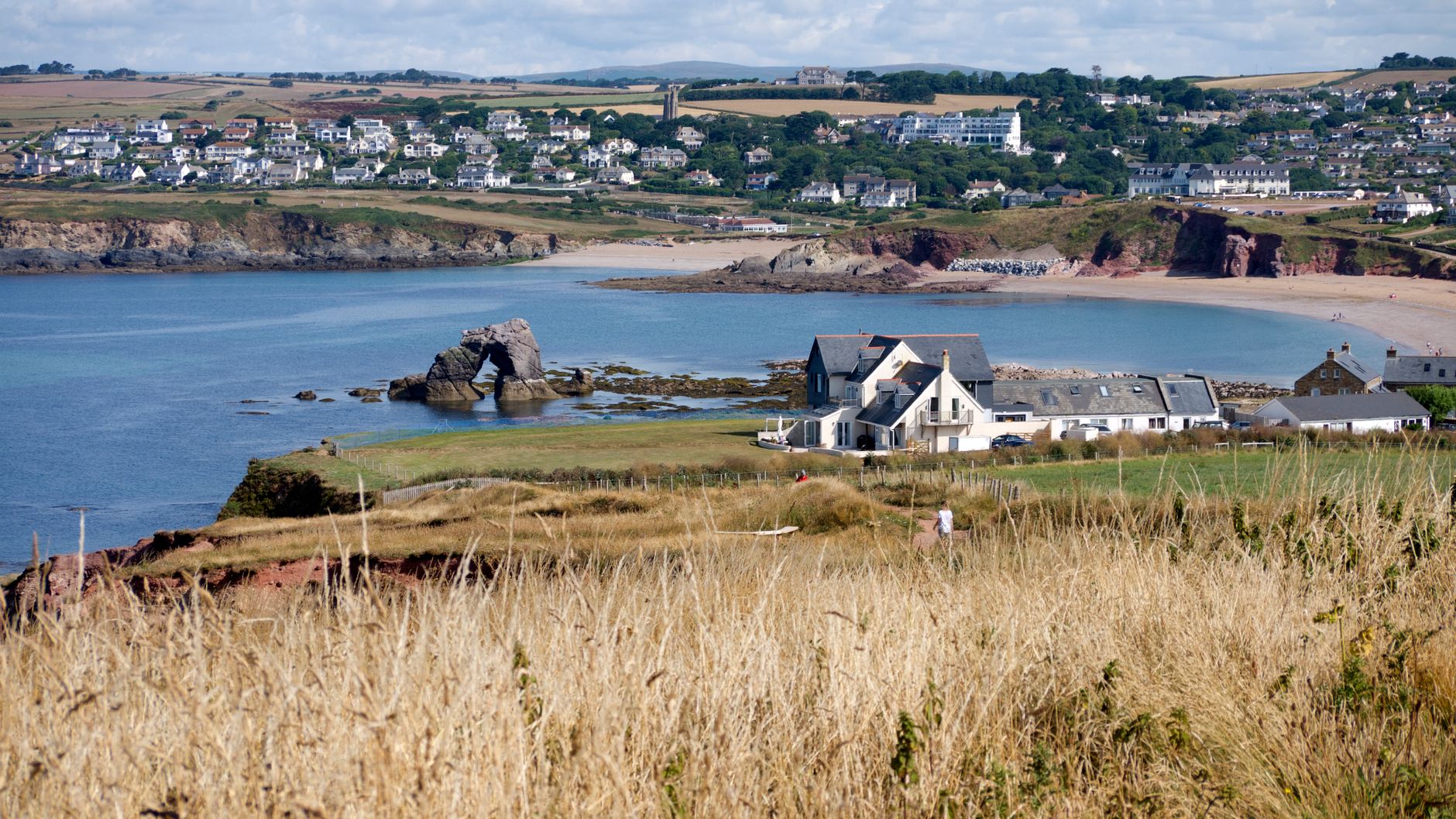
Second home insurance covers properties not used as the primary residence, including holiday homes and investment properties. Standard home insurance policies exclude properties left unoccupied for more than 30 to 60 days. Key differences from standard policies include unoccupancy cover, holiday let liability cover and key holder requirements. Specialist providers include Schofields, Cornish Mutual and Saga. All providers must be FCA-authorised (FCA ICOBS, ABI, 2026). |
TL;DR
|
★ Featured Partner · Sponsored Compare Insurance Quotes Search and compare quotes from leading UK insurers. Quotezone's panel includes specialist insurers not always on the four major comparison sites. Compare Quotes → |
- Second home insurance is a specialist household policy for a property that is not the owner's main residence and is kept for personal use rather than let to paying guests, so it sits between ordinary home insurance and holiday-let insurance.
- A standard home policy is written for a permanently occupied main home and typically restricts or suspends escape-of-water and theft cover once the property has been unoccupied beyond a set limit, commonly 30 to 60 consecutive days.
- A second home used purely by the owner differs from a holiday let: a let property needs public liability for guests and loss of rental income, which a personal-use second-home policy does not contain.
- From April 2025, English councils may charge a discretionary council tax premium of up to 100% extra on a furnished second home, under powers added to the Local Government Finance Act 1992 by the Levelling-up and Regeneration Act 2023.
- Buying an additional dwelling usually attracts the higher rates of Stamp Duty Land Tax, an extra 5% on top of standard SDLT rates in England, per gov.uk; this is a tax cost, separate from the insurance arrangement.
Last reviewed: June 2026 - Chandraketu Tripathi
Key Facts
- Second home insurance is regulated general insurance, supervised by the Financial Conduct Authority (FCA) under its Insurance Conduct of Business Sourcebook (ICOBS) and the Consumer Duty.
- Most policies impose an unoccupancy limit, commonly 30 to 60 consecutive days, after which key perils may be suspended unless the owner extends cover or meets stated conditions.
- A personal-use second home is distinct from a holiday let: letting to paying guests requires public liability and loss-of-rental-income cover that a second-home policy does not include.
- If an insurer fails, non-compulsory buildings and contents claims are protected by the Financial Services Compensation Scheme (FSCS) at 90% of the claim with no upper cash cap.
By Chandraketu Tripathi | Published June 2026
What Is Second Home Insurance?
Second home insurance is a specialist form of household cover written for a property that is not the policyholder's main residence and that is kept for the owner's own use rather than let out for profit. It is the policy behind the coastal cottage used at weekends, the city flat kept for working in the week, the lodge in the hills visited a handful of times a year, or the country house the family returns to in the summer. What these properties share is that nobody lives in them day to day. They stand empty for long stretches, often far from where the owner spends most of the year, and that single fact changes how an insurer views the risk and how the policy must be worded.
The reason a distinct product exists comes down to occupation. A standard buildings and contents policy is priced and worded on the assumption that the property is the insured person's permanent home, lived in continuously, with someone present to notice a dripping pipe, a forced lock, or a failing boiler before a small problem becomes a large loss. A second home breaks that assumption. It is frequently unoccupied, which raises the chance that an escape of water spreads for days before discovery, or that a break-in goes unnoticed until the next visit. Insurers respond to that changed pattern with different conditions, tighter unoccupancy limits, and wordings that account for a property left to look after itself for weeks at a time.
Second home insurance is regulated general insurance. The Financial Conduct Authority (FCA) supervises the firms that sell and underwrite it through the Insurance Conduct of Business Sourcebook (ICOBS) and, since 2023, the Consumer Duty introduced by Policy Statement PS22/9. Those rules require an insurer to give clear information, deliver fair value, and provide adequate support when a claim is made. The structural protection is the same as for any home policy. What differs is the subject matter: the cover has to fit a property whose pattern of occupation places it outside the ordinary residential mould, without crossing into the commercial territory of a let business.
It is worth fixing two distinctions at the outset, because the market uses overlapping labels and getting the category wrong is the most expensive mistake an owner can make. First, second home insurance is not the same as primary-home insurance. The two products look similar, but a primary-home policy assumes continuous occupation and will commonly restrict or decline a claim if it learns the address is in fact a second property left empty for long periods. Insuring a second home on a main-residence policy, whether by oversight or to save money, risks a refused claim precisely when the cover is needed. Second, second home insurance is not holiday-let insurance. A second home in this sense is for personal use only. The moment a property is let to a succession of paying guests it becomes a holiday let, which needs public liability cover for visitors and a loss-of-rental-income section, neither of which a personal-use second-home policy contains. A reader weighing a let is better served by dedicated holiday-let or holiday home cover, and this guide flags that boundary again wherever it matters. The insurance follows the use, not the picture-postcard image, so the same cottage can need any of these three products depending on what the owner actually does with it.
What Second Home Insurance Covers
At its core, a second home policy carries the same two structural pillars as any household insurance: buildings cover for the physical structure, its permanent fixtures and fittings, and often outbuildings, garages and boundary walls; and contents cover for the furniture, furnishings, appliances and personal possessions kept inside. Buildings cover responds to perils such as fire, storm, flood, subsidence, impact and escape of water, settled on a rebuild-cost basis rather than market value. Contents cover responds to similar perils plus theft. In a second home the contents are often a complete second household, a kitchen, beds, soft furnishings and electricals duplicated so the family can simply arrive and live, which makes an accurate contents sum insured as important as the buildings figure.
Around those pillars, a second-home wording adds features that recognise the property's empty periods. Cover during unoccupancy is the defining issue: many policies maintain full perils only up to a stated number of consecutive empty days, after which escape of water, theft and malicious damage may be suspended or restricted unless the owner has extended the cover or met conditions such as draining the water system in winter. Some policies offer optional extensions worth weighing for a second home, including accidental damage, employer's liability where a cleaner or gardener is engaged, cover for garden contents and outbuildings, and trace-and-access cover that pays to locate the source of a leak. Alternative-accommodation cover, which funds somewhere to stay while the property is repaired, matters less for a property that is not a main residence, but loss of the property's use over a holiday period can still be inconvenient and some wordings address it.
It is equally important to understand what a personal-use second-home policy does not cover, because this is where the boundary with holiday-let insurance lies. A second-home policy is written on the basis that the property is not let to paying guests. It therefore does not include the public liability cover toward visitors that a let needs, nor a loss-of-rental-income section, nor cover for accidental or malicious damage caused by tenants. The single worked scenario below shows how the core cover responds to a typical second-home loss, and why the unoccupancy position is so central to the outcome.
Scenario
A weekend cottage in the Yorkshire Dales, used by the Aldous family roughly one weekend a month, sits empty through a cold February. A radiator valve fails and water escapes across the ground floor, soaking the flooring, skirting and a fitted kitchen before anyone visits twelve days later. The cottage is insured on a second-home policy with a 60-day unoccupancy limit and a winter condition requiring the heating to be kept above a minimum temperature. Because the empty period was well inside the limit and the heating condition had been met, the escape-of-water claim engages two sections: the buildings section pays to strip out and reinstate the structure and fixtures, and the contents section replaces the ruined furnishings. Had the same cottage been insured on a standard main-residence policy that assumed continuous occupation, the insurer could have reduced or declined the claim once it learned the property was a second home left empty for weeks at a time.
How Much Does Second Home Insurance Cost?
No responsible guide can quote a premium that will hold true for an individual property, and this one does not try. The price of second home insurance is built from the specific characteristics of the building and the way it is used, and the only figure that matters is the one a regulated insurer or broker returns once those details are entered. What this section can do is set out, honestly, the factors that move the price, so that the quotes received make sense and can be compared on equal terms. It also flags the wider costs of owning a second home that are not insurance at all but that often surprise new owners, namely the council tax premium and the Stamp Duty surcharge, both covered in detail later.
The rebuild cost of the building is the largest single driver of the insurance premium. This is the cost to reconstruct the property from the ground up, including demolition, professional fees and compliance with current building regulations, and for older rural or coastal cottages of traditional construction it is frequently higher than the market value. The Royal Institution of Chartered Surveyors (RICS) maintains the Building Cost Information Service (BCIS), the recognised basis for rebuild estimates, and a sum insured set too low triggers the average clause, under which the insurer reduces any payout in proportion to the shortfall.
How the property is used pulls the premium next. A second home that stands empty between family visits is rated differently from a main residence, because long empty spells raise the risk that a loss goes undetected. Location matters because flood and subsidence risk are postcode-driven, and a coastal or riverside second home may attract a flood loading unless Flood Re applies. Construction type, the presence of approved locks, alarms and smoke detection, the proportion of the year the property is left empty, the security of the surrounding area, and the claims history all feed the final number. Excesses and unoccupancy terms quietly shape the cost too: accepting a higher voluntary excess or a tighter unoccupancy limit lowers the premium but raises the risk the owner carries if a claim arises during an empty spell. The table below summarises the main cost drivers; the figures it omits are deliberate, because any premium quoted here would be invented rather than sourced.
| Cost driver | Why it matters | What lowers it |
|---|---|---|
| Rebuild cost (sum insured) | Largest driver; underinsurance triggers the average clause | A current RICS/BCIS rebuild figure set accurately, not market value |
| Unoccupancy pattern | Long empty spells raise undetected-loss risk | Tighter day limits met, regular inspections, monitored alarms |
| Location and flood risk | Postcode-driven flood and subsidence loadings | Flood Re eligibility on a residential policy where it applies |
| Construction and security | Reduces theft and water-damage probability | Approved locks, smoke and water-leak detection |
| Contents sum insured | A second household of furnishings can be substantial | An accurate inventory, not a guessed figure |
| Voluntary excess | Shifts small-claim cost to the owner | A higher voluntary excess, accepting more retained risk |
All figures indicative only - verify at point of quote with a regulated insurer or broker.
How to Choose Second Home Insurance
Choosing cover for a second home starts not with price but with an honest description of how the property is used, because that single fact decides which of the three related products is even appropriate. A property the owner uses alone needs a second-home policy; a property let to paying guests needs holiday-let cover; a main residence needs ordinary home insurance. The most costly error is buying the cheapest of the three for a property that belongs in another category, then discovering at claim time that the policy never matched the use. The questions below are the ones an insurer or broker will ask, and answering them precisely before buying turns a confusing market into a manageable comparison.
Begin by confirming the property genuinely is a personal-use second home and will not be let, even occasionally, because letting changes the product required. Then fix the rebuild sum insured using a RICS-aligned BCIS figure rather than the price paid or the estimated resale value, because the average clause penalises underinsurance regardless of how the shortfall arose. Set the contents sum insured against a real inventory of the second household of furnishings the property holds.
Next, scrutinise the unoccupancy clause, which for a second home is the heart of the policy: how many consecutive days the property may stand empty before cover narrows, what conditions apply during empty periods such as draining the water system or maintaining a minimum temperature in winter, and whether the limit can be extended for a longer absence. Check the flood position and confirm whether Flood Re sits behind the buildings cover. Read the conditions precedent the insurer treats as binding, because a condition breached is cover lost when it is needed most. Finally, confirm the insurer or broker is authorised on the FCA Register and note its Firm Reference Number. The goal is not the lowest premium but the policy whose conditions the owner can realistically keep while the property is left to itself.
Regulatory Protection
Second home insurance is regulated general insurance, and the protections that surround it are the same robust framework that applies to any UK household policy. The Financial Conduct Authority (FCA) authorises and supervises the insurers and brokers involved. Every firm appears on the FCA Register at register.fca.org.uk under a Firm Reference Number, and a quick check there confirms a provider is authorised before any money changes hands. The FCA's Insurance Conduct of Business Sourcebook (ICOBS) governs how policies are sold, what must be disclosed, and how claims must be handled, while the Consumer Duty introduced under Policy Statement PS22/9 requires firms to deliver fair value and good outcomes rather than merely avoiding mis-selling.
If a dispute arises that cannot be resolved with the insurer directly, an eligible policyholder can escalate to the Financial Ombudsman Service (FOS) free of charge, generally within six months of the insurer's final response. The FOS publishes data on complaint volumes and uphold rates at ombudsman.org.uk, and its decisions bind the insurer up to the relevant award limit. Property insurance, and in particular disputes about unoccupied properties and how claims are handled, is a recurring feature of the cases the service sees, which makes the clarity of a second-home policy's conditions all the more important.
Should an insurer become insolvent, the Financial Services Compensation Scheme (FSCS) provides a backstop. For non-compulsory general insurance such as buildings and contents cover on a second home, the FSCS protects 90% of a valid claim with no upper monetary cap, while compulsory insurance is protected in full. The widely quoted £85,000 figure applies to bank deposits and investments, not to insurance claims, and it does not set a ceiling on a home insurance payout. Together the FCA, the FOS and the FSCS give second-home owners the same structural protection that underpins mainstream household insurance.
Second Home Insurance in Practice - Common Scenarios
The distinctions drawn so far are easiest to see in action. The scenarios below use fictional owners and properties to show how second home cover responds across different situations, a coastal cottage, a city flat kept for the working week, and a countryside weekend home, and where the boundary with primary-home and holiday-let cover bites. They are illustrative, not quotations, and any real arrangement should be confirmed against the specific policy wording.
Scenario
Eleanor Voss owns a whitewashed cottage above a cove in Pembrokeshire that she and her husband use for several weeks across the year and leave empty in between. The cottage, built in 1931, is insured on a residential second-home policy and is eligible for Flood Re because it was built before 1 January 2009, sits in council tax band A to H, and is insured on a residential rather than commercial basis. When a winter storm surge drives water into the ground floor, the flood element of her buildings and contents cover, ceded to the Flood Re scheme, responds to the claim, helping keep flood cover for the property both available and affordable. Had she instead run the cottage as a commercially let holiday business on a commercial policy, Flood Re would not apply and flood cover would depend on the open market.
Scenario
Marcus Aldridge keeps a one-bedroom pied-a-terre flat in central Manchester that he uses on weeknights while working in the city, returning to the family home elsewhere at weekends. Because the flat is genuinely his own occasional residence and is never let, he insures it on a second-home contents and (where he is responsible) buildings policy, declaring that it is a secondary property occupied intermittently. When a neighbour's bathroom leak damages his ceiling and ruins furnishings, the claim is paid because he disclosed the true pattern of occupation. Had he insured the flat as a main residence to obtain a cheaper premium, the insurer could have challenged the claim on the basis that the flat was not in fact his sole or main home, exposing him to a reduced settlement at the worst possible moment.
Scenario
Priya and Sanjay Mehta buy a stone farmhouse in the Cotswolds as a weekend countryside home, an additional property on top of their main residence. As an additional dwelling, the purchase attracts the higher rates of Stamp Duty Land Tax, an extra 5% on top of standard SDLT rates in England per gov.uk, a one-off cost they budget for at completion. Separately, their local council has used its powers to charge a council tax premium on furnished second homes, so the annual council tax bill is higher than for a main residence. Neither of these is an insurance matter, but both are real costs of second-home ownership, and the couple keep them distinct from the buildings and contents policy, which is priced on rebuild cost, location and the property's empty periods rather than on its tax status.
The council tax second-homes premium
Owners of a second home in England face a council tax cost that has grown sharper since April 2025. Under powers added to the Local Government Finance Act 1992 by the Levelling-up and Regeneration Act 2023, councils may apply a discretionary premium of up to 100% additional council tax on a dwelling that is substantially furnished but is no one's sole or main residence, which is the definition a second home meets. In plain terms, where a council chooses to use the power to its maximum, the annual council tax bill on a second home can be doubled. The guidance on implementing the premium is published on gov.uk, and the legislation itself sits on legislation.gov.uk.
Two points matter for an owner planning the cost. First, the premium is discretionary: it is for each council to decide whether to charge it, in which parts of its area, and at what rate up to the statutory maximum, and a council must determine to introduce the premium at least a year before the financial year it applies to. The position therefore varies from one local authority to another, and the only reliable figure is the one the relevant council publishes. Second, the council tax premium is entirely separate from insurance. It does not affect the buildings or contents policy or the cover it provides. It is included here because it is one of the largest running costs of owning a second home and is frequently underestimated by buyers focused only on the purchase price and the insurance premium.
Stamp Duty Land Tax on an additional dwelling
Buying a second home in England usually means paying the higher rates of Stamp Duty Land Tax that apply to additional residential properties. As gov.uk sets out, a buyer who already owns a home and purchases another residential property so that they will own more than one will usually pay an extra 5% on top of the standard SDLT rates that would otherwise apply to the purchase price. The surcharge is charged across the price bands in addition to the normal rates, so it can add a substantial sum to the cost of completion on a second home, and it applies on top of, not instead of, the ordinary rates.
There is an important exception worth noting: the surcharge does not apply where the buyer is replacing their only or main residence and sells the previous main home within the time limit gov.uk specifies, currently within 36 months of the new purchase. That relief is aimed at people moving home rather than acquiring an additional property, and it does not assist someone genuinely adding a second home to keep alongside a main residence. As with the council tax premium, SDLT is a tax matter, not an insurance one, and the precise figures and any reliefs should be confirmed on gov.uk or with a conveyancer. It appears in this guide because the total cost of owning a second home, tax included, frames how much there is left to spend on getting the insurance right, and the insurance is the part that protects the asset when something goes wrong.
Unoccupancy clauses and why they decide claims
The unoccupancy clause is the single condition that most often determines whether a second-home claim is paid, and it is the clearest line between second home insurance and ordinary main-residence cover. Because a second home is empty far more than a main residence, insurers limit how many consecutive days the property may stand unoccupied, commonly somewhere between 30 and 60, before the fuller perils such as escape of water, theft and malicious damage are suspended or restricted. Many wordings then attach further conditions during empty periods: draining the water system in winter, turning off the stopcock, maintaining a minimum temperature, inspecting the property at set intervals, or keeping security measures in force. These are usually conditions precedent, meaning that if they are breached the insurer can decline a claim that arises during the breach even where the breach did not cause the loss. Reading and recording the unoccupancy limit and its attached conditions, and arranging an extension before a long absence, is the most effective single step a second-home owner can take to protect a claim.
Key Questions to Ask Before Buying
- Is the policy a true second-home wording rather than a main-residence policy applied to an address that is in fact left empty for long periods?
- Will the property genuinely be used by the owner only, and never let to paying guests, so that second home insurance rather than holiday-let insurance is the correct product?
- Is the buildings sum insured set to a current RICS/BCIS rebuild cost rather than market value, and does the policy carry an average clause for underinsurance?
- Is the contents sum insured based on a real inventory of the furnishings kept at the property, not a guessed figure?
- What is the unoccupancy limit in consecutive days, what conditions apply during empty periods, and can the limit be extended for a long absence?
- Which conditions are conditions precedent, so that a breach could allow the insurer to decline an otherwise valid claim?
- Is the property eligible for Flood Re, and does the buildings cover pass the flood element to the scheme where it applies?
- What excesses apply, including any higher flood or subsidence excess, and how do voluntary excess choices affect the premium?
- Has the wider cost of second-home ownership been planned for, including the council tax premium of up to 100% and the higher Stamp Duty rates, separate from the insurance?
- Is the insurer or broker authorised on the FCA Register, and what is the Firm Reference Number?
Sources
- GOV.UK - Guidance on the council tax premiums on long-term empty homes and second homes (up to 100%, from April 2025)
- legislation.gov.uk - Levelling-up and Regeneration Act 2023 (council tax premium powers)
- GOV.UK - Stamp Duty Land Tax: higher rates for additional residential properties
- Flood Re - Eligibility criteria (build date, council tax band, residential basis)
- FCA - Insurance Conduct of Business Sourcebook (ICOBS)
- FCA - PS22/9 New Consumer Duty
- FCA Register - check a firm's authorisation and Firm Reference Number
- Financial Ombudsman Service - data and insight
- FSCS - insurance protection levels
- RICS - Building Cost Information Service (BCIS) rebuild cost basis
Kael Tripton Ltd is registered with the Information Commissioner's Office under registration number ZC135439.
Frequently Asked Questions
How is second home insurance different from normal home insurance?
Normal home insurance is written for a property that is the policyholder's permanent main residence, lived in continuously so that someone is usually present to notice a problem early. Second home insurance is written for a property kept for the owner's own use but left empty for long periods. The key practical difference is the unoccupancy clause: a second-home policy expects the property to stand empty and sets a day limit and conditions accordingly, whereas a main-residence policy may restrict or decline a claim once it learns the address is not actually someone's main home. Insuring a second home on a main-residence policy risks a refused claim.
Is second home insurance the same as holiday-let insurance?
No, the two are distinct because they cover different uses. Second home insurance is for a property the owner uses personally and does not let to paying guests, so it focuses on the structure, contents and the empty periods governed by the unoccupancy clause. Holiday-let insurance is for a property let to a succession of short-stay paying guests and adds public liability cover for visitors, cover for damage caused by guests, and a loss-of-rental-income section, none of which a personal-use second-home policy contains. The moment a second home is let, even occasionally, it usually needs holiday-let or holiday home cover instead, and the insurer must be told about the letting.
How long can a second home be left empty before insurance is affected?
Most second-home policies set an unoccupancy limit of somewhere between 30 and 60 consecutive days, after which perils such as escape of water, theft and malicious damage may be suspended or restricted unless the owner has extended cover. The exact figure varies by insurer and is stated in the policy wording, so it should be checked rather than assumed. Many policies also attach conditions during empty periods, such as draining the water system in winter or maintaining a minimum temperature. These are often conditions precedent, so a breach can allow the insurer to decline a claim. Arranging an extension before a long absence protects the cover.
How much extra council tax and Stamp Duty does a second home cost?
These are tax costs, separate from insurance. From April 2025, English councils may charge a discretionary premium of up to 100% additional council tax on a furnished second home, under powers added to the Local Government Finance Act 1992 by the Levelling-up and Regeneration Act 2023, so a bill can effectively be doubled where a council uses the power fully. The premium is discretionary and varies by council, so the relevant authority should be checked. On purchase, buying an additional dwelling usually attracts the higher rates of Stamp Duty Land Tax, an extra 5% on top of standard rates in England per gov.uk, with reliefs in limited replacement situations.
Are second homes eligible for Flood Re?
Second homes can be eligible for Flood Re where they meet the scheme's criteria published at floodre.co.uk. The property must have been built before 1 January 2009, sit in council tax band A to H, and be insured on a residential rather than a commercial basis. A second home kept for personal use and insured on a residential policy can therefore qualify, which helps make flood cover available and affordable for higher-risk properties. What falls outside the scheme is property insured commercially, such as a holiday let run as a business on a commercial policy. Confirming whether a quoted policy passes the flood element to Flood Re is a worthwhile question to ask.


