INSURANCE GUIDE
Diabetes Travel Insurance UK
How to find travel insurance that covers diabetes, what to declare, and essential cover for travelling with a pre-existing condition.
TL;DR
- Diabetes must be declared as a pre-existing condition on any travel insurance application.
- Standard travel insurance policies may exclude diabetes-related medical costs if not declared.
- Specialist pre-existing condition travel insurers offer cover for diabetes management costs abroad.
- Equipment cover is important for travellers carrying insulin pumps, CGMs, and monitoring devices.
Declaring Diabetes on Travel Insurance
Diabetes - whether Type 1, Type 2, or gestational - is a pre-existing medical condition that must be declared on any travel insurance application. Failure to declare a pre-existing condition that is subsequently relevant to a medical claim abroad can result in the claim being rejected. Declaring diabetes does not necessarily result in the condition being excluded - many travel insurers will cover it subject to a premium loading or specific conditions, but it must be disclosed.
Finding Cover for Diabetes
Standard travel insurance policies offered by comparison sites and high street brands may automatically exclude diabetes or exclude it unless it has been specifically declared and accepted. Specialist pre-existing condition travel insurance providers - including those assessed by the Money and Pensions Service's Travel Insurance Directory - specifically underwrite for travellers with medical conditions including diabetes. Comparing quotes from specialist providers gives a clearer picture of the available cover and cost.
Medical Cover for Diabetic Emergencies Abroad
The most important element of travel insurance for diabetic travellers is the medical emergency cover limit. Emergency hospitalisation for diabetic ketoacidosis, hypoglycaemic coma, or complications from infection can be extremely costly in some countries - particularly the USA. A minimum of £2m medical cover is advisable; higher limits are appropriate for travel to high-cost medical markets. Confirm that the policy covers diabetes-related emergency treatment specifically.
Equipment and Medication Cover
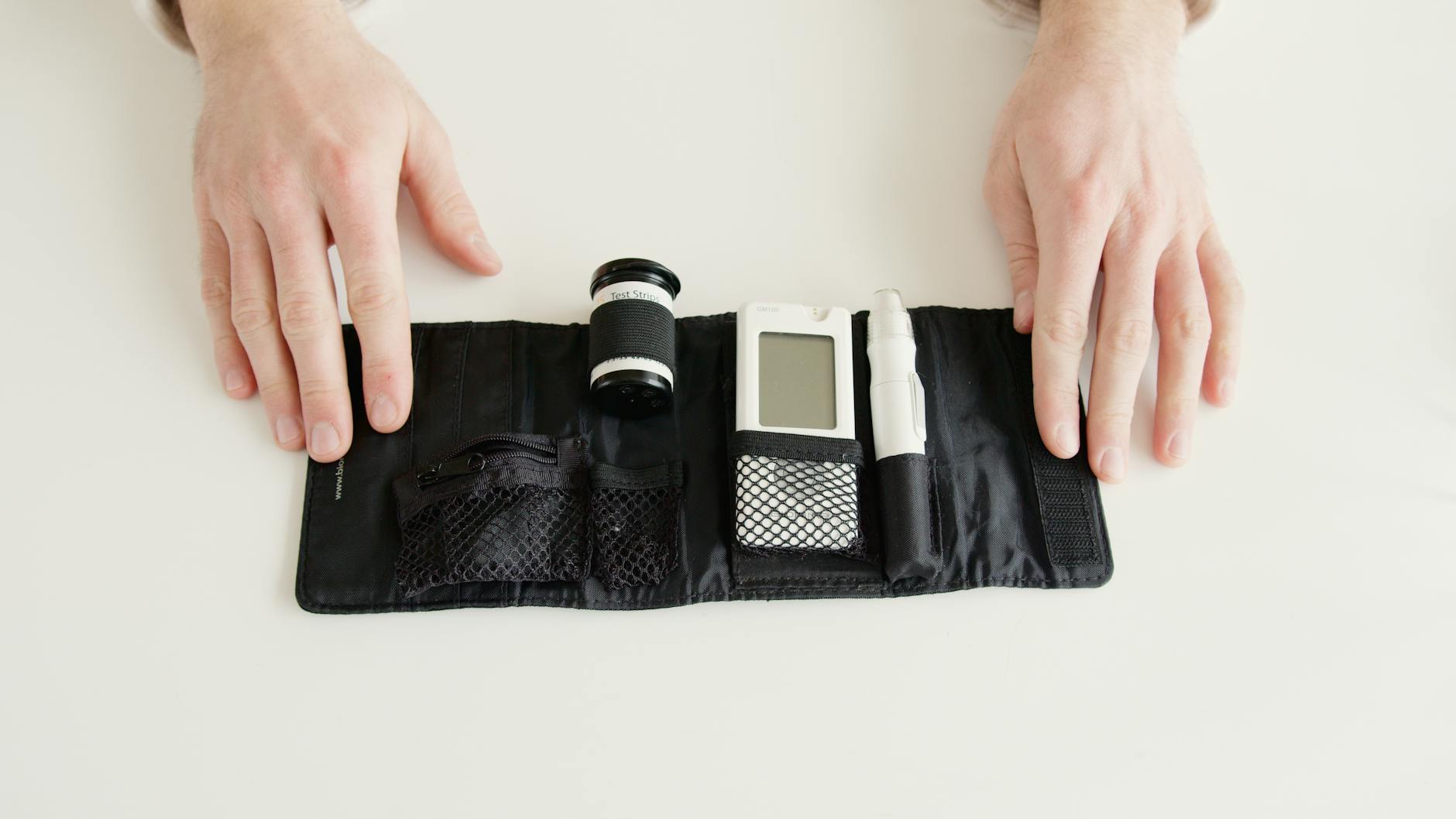
Diabetic travellers often carry high-value equipment: insulin pumps, continuous glucose monitors (CGMs), testing equipment, and significant quantities of insulin and supplies. Equipment cover within travel insurance should reflect the replacement value of specialist medical devices. Insulin and medications can be covered under the medication section of travel insurance if they are lost or stolen. Carry prescriptions and documentation for all medications and equipment when travelling internationally.
Disclaimer
This guide is for general information only and does not constitute financial or insurance advice. Kaeltripton.com is not regulated by the FCA. Always read policy documents in full before purchasing cover.
Sources
Frequently Asked Questions
Will diabetes increase my travel insurance premium?
Declaring diabetes typically results in a premium loading compared to a policy for someone without the condition, but the loading varies significantly by insurer, the type of diabetes, how well-controlled it is, and any related complications. Well-controlled diabetes with no complications may attract a modest loading; diabetes with cardiovascular complications or recent hospitalisation will attract higher loadings. Comparing quotes from multiple specialist providers is important to find competitive cover.
Do I need a Fit to Travel letter from my doctor?
Most travel insurance policies for pre-existing conditions do not require a fit to travel letter as a policy condition. However, airlines may require a medical clearance letter for certain insulin delivery devices or if you have recently been hospitalised. Carrying a letter from your GP or diabetes nurse confirming your condition is stable and you are fit to travel is advisable regardless of whether the insurer requires it.
|
★ Featured Partner · Sponsored Compare Insurance Quotes Search and compare quotes from leading UK insurers. Quotezone's panel includes specialist insurers not always on the four major comparison sites. Compare Quotes → |