TL;DR. Oven insurance covers mechanical and electrical breakdown of electric and gas ovens, range cookers, built-in ovens and combination ovens. Standalone cover typically costs around 5 to 12 pounds per month, covering faults such as a failed heating element (80 to 150 pounds), thermostat (70 to 140 pounds) or control board (100 to 200 pounds). Gas oven repairs must be carried out by a Gas Safe registered engineer. Integrated ovens add an installation complication when replacement is needed. Most ovens carry a one-year warranty, and the Consumer Rights Act 2015 gives free protection for newer appliances, so cover is most relevant once a machine is past its guarantee.
★ Featured Partner · Sponsored
Compare Insurance Quotes
Search and compare quotes from leading UK insurers. Quotezone's panel includes specialist insurers not always on the four major comparison sites.
Compare Quotes →What oven insurance covers
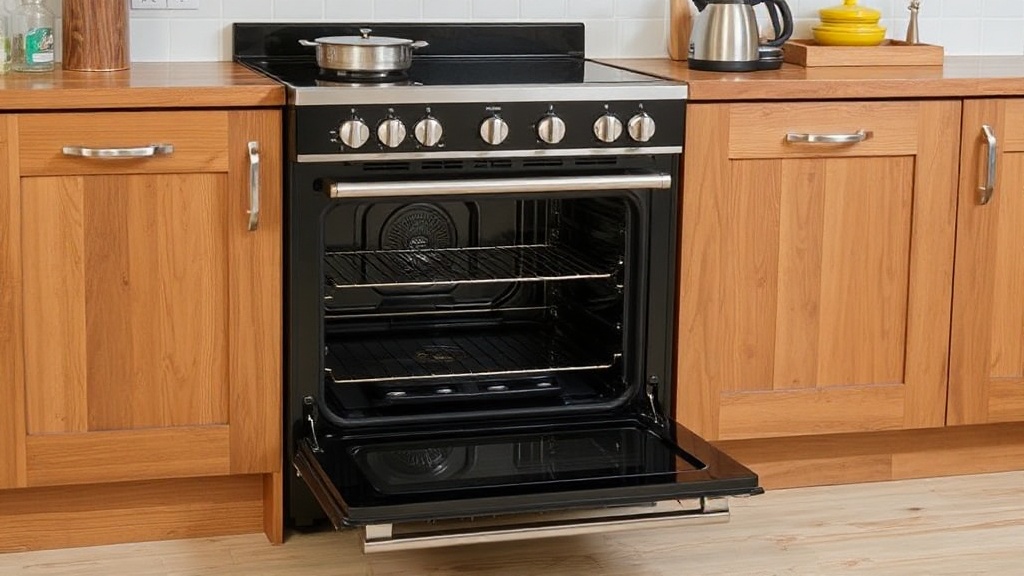
Oven insurance is breakdown cover for the cooking appliances at the heart of most kitchens. It pays for the repair, or where necessary the replacement, of an oven that suffers a mechanical or electrical fault. The cover usually spans the full family of cooking appliances: the freestanding electric oven, the gas oven, the range cooker, the built-in oven set into kitchen units, and the combination oven that pairs conventional cooking with a microwave or steam function. Whatever the format, the covered event is the same: a working component fails through use and the oven can no longer cook reliably.
Like other appliance cover, oven insurance addresses the gap left by a manufacturer warranty that has expired and by contents insurance that does not respond to breakdown. It is concerned with the failure of the appliance itself rather than damage from an external event.
Common oven faults and repair costs
The value of cover depends on the cost of the repairs it would fund. The table sets out typical UK repair costs for common oven faults, including parts and labour. Costs vary by appliance type, brand and region, and gas and range cookers can sit at the higher end because of the additional safety work involved.
| Fault | Typical repair cost |
|---|---|
| Heating element | 80 to 150 pounds |
| Oven thermostat | 70 to 140 pounds |
| Fan motor | 70 to 130 pounds |
| Control board | 100 to 200 pounds |
| Door hinge and seal | 60 to 100 pounds |
| Gas ignition | 60 to 120 pounds |
The heating element is the most common single failure on an electric oven, and it is usually a contained, affordable repair. The control board is the most expensive routine fault, and on an older oven a board failure can approach replacement territory. Gas faults carry the additional cost and requirement of a qualified engineer, examined below.
How it differs from contents insurance
A frequent misunderstanding is that home contents insurance covers a broken oven. It generally does not. Contents insurance responds to insured perils such as fire, theft and flood, and may cover accidental damage to an appliance, but it does not pay when an oven simply stops working because a component has failed. Oven insurance is the dedicated product for that breakdown risk. The two are complementary, and holding contents insurance does not remove the exposure to a 150 pound element or a 200 pound board failure that contents cover will not touch.
What is included
A typical oven insurance policy bundles the elements of a repair into one cover. The engineer callout is included, removing the upfront charge of an independent repair. Labour is covered, so diagnosis and repair time is not billed separately. Replacement parts are supplied, whether an element, thermostat, fan or control board. Where the oven cannot be economically repaired, the replacement terms of the policy apply, providing either an equivalent appliance or a contribution toward a new one. The presence and size of any excess per claim, and whether replacement is like-for-like with fitting, are the details that separate one policy from another.
What is excluded
Exclusions define the limits of cover. Cosmetic damage such as scratches, chips to enamel and discoloured glass is excluded because it does not affect cooking. Misuse, including damage from harsh cleaning or from running the appliance contrary to the manual, is not covered. Consumables such as bulbs and shelves, and routine maintenance, sit outside cover. Pre-existing faults present before the policy began are excluded, and many policies impose an age limit beyond which an oven cannot be insured. A waiting period at the start of cover is common, during which claims cannot be made.
The Gas Safe requirement for gas ovens
Gas ovens introduce a legal requirement that electric ovens do not. Any work on a gas appliance must be carried out by an engineer on the Gas Safe Register, the official list of gas engineers legally permitted to work on gas appliances in Great Britain. This is a safety matter: incorrectly repaired gas appliances can leak gas or produce carbon monoxide. For oven insurance, the practical effect is that a gas oven claim must dispatch a Gas Safe registered engineer, and a household should confirm that a policy covering a gas oven uses appropriately qualified engineers. It also means that gas oven repairs should never be attempted as a do-it-yourself job, which is one reason cover can be more attractive for gas appliances than for electric ones.
Integrated ovens and the replacement complication
Built-in or integrated ovens carry a complication when replacement becomes necessary. A freestanding cooker that is beyond repair can be swapped out and replaced with relative ease. An integrated oven is fitted into a housing unit within the kitchen, connected to the electricity or gas supply and sized to a specific aperture. Replacing it means removing the old unit, finding a model that fits the existing housing and connections, and installing it, with a gas model requiring a Gas Safe engineer for the connection. That installation cost and complexity strengthens the case for cover that includes like-for-like replacement with fitting on integrated ovens, since a policy paying only a depreciated cash sum may leave the household short of the true cost of a working oven.
What standalone oven cover costs
Standalone oven cover typically costs around 5 to 12 pounds per month, with the exact premium depending on whether the oven is gas or electric, freestanding or integrated, its age, and the excess. Over a year that is roughly 60 to 144 pounds. Set against the repair table, the annual premium exceeds several of the cheaper repairs and is comparable to a single control board failure, which is the arithmetic at the centre of the value question.
Manufacturer warranty context
Most ovens are supplied with a one-year manufacturer warranty, with some premium models offering two years or longer on registration. During that period a manufacturing defect is repaired free by the brand, so paid oven insurance largely duplicates protection the household already holds. The case for insurance strengthens once the warranty has ended. Registering the appliance, keeping the receipt and noting the model and serial number make any warranty claim straightforward and confirm the start date of cover.
Consumer Rights Act 2015 protection
Statutory rights run alongside any warranty or insurance. Under the Consumer Rights Act 2015 an oven must be of satisfactory quality and durable, with a claim available against the retailer for up to six years in England, Wales and Northern Ireland (five in Scotland) where an inherent fault can be shown. An oven that fails prematurely because of a manufacturing weakness may be a retailer matter rather than an insurance claim. This free protection is strongest in the first six months, when a fault is presumed to have been present at sale, and it makes paid cover most relevant once an oven is several years old.
Standalone cover versus a multi-appliance policy
An oven is rarely the only appliance a household relies on, and a standalone oven policy is not always the cheapest route to protection. Where a kitchen contains several ageing appliances, a multi-appliance policy at roughly 20 to 50 pounds per month can cover the oven alongside a washing machine, fridge-freezer and dishwasher, often working out cheaper per appliance. The trade-off is that a household with only one appliance worth covering gains little from bundling. The decision rests on how many appliances are past their guarantee and how the combined premium compares with separate policies.
When cover makes financial sense
Oven cover makes most sense for a gas or integrated oven past its warranty, where repairs require a qualified engineer and replacement is costly and disruptive, and for households that cannot easily absorb a sudden repair bill. It makes least sense for a new oven still under warranty and statutory protection, for an inexpensive freestanding electric oven where replacement is cheap, and for households with an emergency fund who would rather pay for the occasional repair than a recurring premium. Comparing the annual premium and excess against the realistic repair costs for the specific oven turns the decision into a clear calculation rather than a general worry.
Reducing the chance of an oven fault
Some oven faults can be reduced by care. Avoiding harsh impacts to the door and glass protects the hinges and seal. Cleaning spills promptly and using the appliance within its intended limits reduces stress on the element and fan. Not slamming the door preserves the hinge mechanism. For gas ovens, having the appliance checked periodically by a Gas Safe engineer is both a safety measure and a way to catch developing faults early. None of this prevents a genuine component failure, but it reduces the chance of damage being attributed to misuse and excluded from cover.
How an oven insurance claim is handled
The claims process under an oven policy follows a consistent path. The fault is reported to the provider with the make, model and a description of the symptoms, such as the oven failing to heat, heating unevenly or tripping the electrics. An approved engineer is arranged, with a gas appliance requiring a Gas Safe registered engineer. The engineer diagnoses the fault and confirms whether it is covered. If it is a covered breakdown, the repair proceeds with parts and labour met by the policy subject to any excess. If the oven is beyond economic repair, the replacement terms apply. Keeping the policy documents, the appliance details and proof of purchase to hand, and clarifying the excess before the visit, makes the process smoother.
Excess and waiting periods
Two terms quietly shape the value of oven cover. The excess is the amount the policyholder pays toward each claim, and a high excess can erode the benefit on smaller repairs such as a heating element. A policy with a 60 pound excess offers limited net benefit on an 80 pound element. The waiting period is the time at the start of cover during which claims cannot be made, preventing anyone insuring an oven that has already failed. Both should be read alongside the premium, because the true cost of a claim is the excess plus the premiums paid, and protection effectively begins only when the waiting period ends.
Range cookers and their cost profile
Range cookers sit at the more expensive end of the cooking appliance market and carry a distinct cost profile. With multiple ovens, a large hob and often a combination of gas and electric elements, a range cooker has more components that can fail and is more expensive to repair and replace than a single built-in oven. A dual-fuel range requires a Gas Safe engineer for the gas elements and an appropriately qualified electrician for the electrical side. Because the replacement cost of a range cooker can be substantial, the case for cover is stronger for these appliances than for an inexpensive freestanding electric oven, provided the policy genuinely covers the range format and uses suitably qualified engineers.
Self-insurance as an alternative
For some households the cheapest long-run approach is to self-insure: to set aside a small monthly sum or simply pay for repairs as they arise rather than fund a premium. A reliable electric oven may run for years needing only a single element, in which case the premiums would have exceeded the repair avoided. The risk is an expensive board failure or a major fault on a gas or integrated model landing before a fund has built up. Self-insurance suits households with an emergency buffer and a relatively simple, inexpensive oven, while structured cover suits those with a costly gas or integrated appliance or those who cannot easily absorb a sudden bill.
Gas safety and why qualified repair matters
For gas ovens, the importance of using a Gas Safe registered engineer goes beyond policy terms and into safety. A poorly repaired gas appliance can leak gas or produce carbon monoxide, an odourless gas that is dangerous to health. This is why gas work is legally restricted to registered engineers and why a household should never attempt a gas oven repair itself or allow an unregistered person to carry one out. A working carbon monoxide alarm in a kitchen with a gas appliance is a sensible precaution. For oven insurance, the safety dimension reinforces the value of cover that guarantees a qualified engineer attends a gas fault, since the alternative of an unqualified or do-it-yourself repair is both unlawful and unsafe.
Disclaimer. This article is general information about consumer rights and appliance cover in the United Kingdom. It is not financial, legal or insurance advice and does not recommend any particular product or provider. Cover terms, prices and statutory provisions change over time and vary between policies. Anyone making a decision about appliance cover, a warranty claim or a consumer rights complaint should read the relevant policy documents in full and, where appropriate, take advice from a qualified adviser or a free service such as Citizens Advice.
Frequently asked questions
What does oven insurance cover?
Oven insurance covers mechanical and electrical breakdown of an oven or cooker, paying for the callout, labour and parts, and a replacement where the appliance cannot be economically repaired. It does not cover cosmetic damage, misuse, consumables or pre-existing faults.
Does a gas oven repair have to be done by a Gas Safe engineer?
Yes. Any work on a gas appliance in Great Britain must be carried out by an engineer on the Gas Safe Register. An oven insurance policy covering a gas oven should dispatch a Gas Safe registered engineer, and gas oven repairs should never be attempted as a do-it-yourself job.
How much does oven insurance cost?
Standalone oven cover typically costs around 5 to 12 pounds per month, depending on whether the oven is gas or electric, freestanding or integrated, its age and the excess.
Is oven insurance worth it for an integrated oven?
It can be, because an integrated oven that cannot be repaired is more expensive and disruptive to replace than a freestanding one, particularly a gas model needing a Gas Safe engineer for installation. Cover that includes like-for-like replacement with fitting is more valuable for integrated ovens.
How long is the warranty on a new oven?
Most ovens carry a one-year manufacturer warranty, with some premium models offering two years or longer on registration. Statutory rights under the Consumer Rights Act 2015 run alongside the warranty against the retailer for up to six years in England, Wales and Northern Ireland.


