TL;DR
NHS optical and dental services run under separate contracts from general medical care. Sight tests are free for certain groups; dental treatment is split into three NHS bands with fixed patient charges. Access to NHS dentists has tightened in many areas of England.
Last reviewed: May 2026
KEY FACTS
- NHS sight tests are free for under-sixteens, over-sixties, students under nineteen in full-time education, certain benefit claimants and some at-risk groups
- NHS dental treatment in England has three patient charge bands set annually
- Dental charges are free for under-eighteens, pregnant women and twelve months post-birth, hospital inpatients and certain benefit claimants
- Optical vouchers help with the cost of glasses for eligible patients
- Scotland, Wales and Northern Ireland have variations in eligibility and charges
Overview
NHS eye care and dental care use different contracts and different funding mechanisms from general practice. Optical care is provided by community opticians who are paid by the NHS for the sight test and dispense glasses commercially. Dental care is provided by NHS-contracted dentists under banded charges set nationally. Both services have eligibility rules for free care, and both have seen pressure on access in recent years, particularly NHS dentistry.
Free NHS sight tests and eligibility
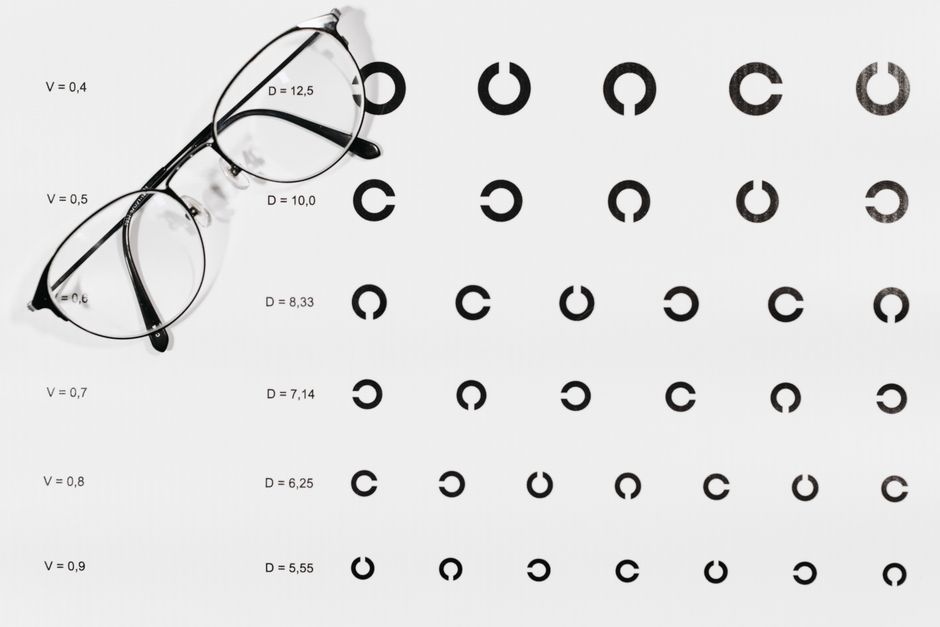
Free NHS sight tests cover under-sixteens, over-sixties, students under nineteen in full-time education, those on certain low-income benefits, glaucoma patients and their close relatives over forty, diabetics, and registered blind or partially sighted people. The sight test runs about twenty to thirty minutes and includes a check of refraction (the prescription), eye health and intraocular pressure. Frequency is normally every two years, more often if clinically needed.
Optical vouchers for glasses
Optical vouchers help with the cost of glasses or contact lenses for the same eligible groups. The voucher value varies by prescription strength. The voucher can be used at any optician offering NHS care; the patient pays anything above the voucher value if they choose a more expensive frame or coating. Some opticians offer fully-covered frames at the voucher value.
NHS dental bands
NHS dental treatment in England is grouped into three bands: Band 1 (examination, diagnosis, advice, scale and polish if clinically necessary, plus preventive care), Band 2 (everything in Band 1 plus fillings, extractions, root canal), and Band 3 (everything in Band 1 and 2 plus crowns, bridges, dentures, more complex laboratory work). The charge for each band is set by the Department of Health and reviewed annually.
NHS dental exemption
Dental charges are free for under-eighteens, pregnant women and those who have given birth in the past twelve months, NHS hospital inpatients, prisoners, and recipients of certain low-income benefits. The HC2 certificate under the NHS Low Income Scheme also covers dental treatment for those on low incomes who do not qualify on benefits alone.
Access to NHS dentists in practice
Finding an NHS dentist taking new patients has become difficult in many areas of England. The nhs.uk service-search tool shows local NHS dentists; patients may need to call several to find one accepting new NHS patients. Emergency NHS dental treatment is available through the urgent dental hub for severe pain, swelling, trauma or bleeding.
Devolved nation variations: Scotland, Wales, Northern Ireland
NHS arrangements vary across the four UK nations under their respective health and social care frameworks. NHS Scotland operates under the Scottish Government and offers free prescriptions, free dental examinations and somewhat different commissioning arrangements through Health Boards rather than Integrated Care Boards. NHS Wales is the equivalent body in Wales with free prescriptions and integrated public health functions through Public Health Wales.
Health and Social Care Northern Ireland (HSC) is the integrated health and social care provider in Northern Ireland, structured differently from NHS England with combined health and social work commissioning. Prescription charges are free in all three devolved nations. Cross-border patients may move between systems; reciprocal arrangements within the UK mean treatment is generally accessible regardless of which nation issued the patient's NHS number.
Specific service availability, waiting times and commissioning priorities differ between the nations. Patient information is published by NHS Inform (Scotland), NHS 111 Wales and HSC Northern Ireland respectively. Cross-border referrals use established protocols between trusts and Health Boards.
Complaints, advocacy and patient voice
NHS complaints follow the NHS Complaints Regulations 2009. The first step is the provider's own complaints process (most trusts have a complaints team and a Patient Advice and Liaison Service for informal resolution). The trust must acknowledge complaints within three working days and respond substantively within a reasonable period, normally six months.
Unresolved complaints can be escalated to the Parliamentary and Health Service Ombudsman (PHSO), which investigates maladministration in NHS services. Independent advocacy is available free through the Independent NHS Complaints Advocacy Service commissioned by each local authority. Specialist advocacy on clinical negligence is provided by Action Against Medical Accidents (AvMA).
Healthwatch operates at local and national level as the statutory patient voice, gathering feedback and influencing commissioning decisions. The Care Quality Commission (CQC) inspects and rates NHS services from 'Inadequate' to 'Outstanding'; reports are published at cqc.org.uk and offer patient-facing information on service quality. Integrated Care Boards in England commission most NHS services and have public-facing complaints and feedback channels.
Confirming your NHS entitlement on arrival
Most UK residents are entitled to NHS care free at the point of use. The Department of Health and Social Care publishes guidance setting out who is exempt from charges and who is chargeable. Visa holders pay the Immigration Health Surcharge upfront with their visa application and are then entitled to the same NHS access as settled residents for the duration of the visa.
Patients can confirm their NHS number through the NHS App or by phoning the local GP surgery once registered. The NHS number is the identifier across all NHS services including hospitals, dentists, pharmacies and screening programmes. Without an NHS number, services can still treat the patient but record-keeping is harder.
Special groups have specific entitlement protections: asylum seekers and refugees are exempt from hospital charges under the Charges to Overseas Visitors Regulations 2015; victims of modern slavery, looked-after children and certain other groups have specific exemptions. The NHS website nhs.uk/using-the-nhs/about-the-nhs/healthcare-in-england-for-visitors-from-overseas/ sets out the categories.
How NHS services are commissioned and funded
NHS services in England are commissioned by Integrated Care Boards (ICBs), forty-two regional bodies established in 2022 under the Health and Care Act 2022. Each ICB plans, commissions and pays for NHS services for its population, replacing the previous Clinical Commissioning Groups. Commissioning includes primary care (through the NHS England regional teams in some areas), secondary care from NHS Trusts, community services, mental health services, and continuing healthcare.
Funding flows from the Department of Health and Social Care to NHS England, which allocates to ICBs based on a formula reflecting population size, age structure, deprivation and other factors. ICBs then contract with providers for specific services. The provider mix includes NHS Trusts (the majority of secondary care), GP practices (contracts under the General Medical Services or alternative contracts), independent providers under NHS Standard Contract, and charity-sector providers for some specialised services.
Patient choice operates within the commissioning framework: patients can choose between providers for non-urgent consultant-led care via the e-Referral Service. Specialist services are commissioned at regional or national level for very rare or technically demanding care. Local Authority commissioning covers adult social care, public health functions (smoking cessation, sexual health) and certain children's services.
Quality, safety and patient feedback channels
The Care Quality Commission (CQC) is the independent regulator of all NHS and many independent health and social care services in England. CQC inspections rate services from 'Inadequate' to 'Outstanding' based on five key questions: Are they safe, effective, caring, responsive and well-led? Reports are published at cqc.org.uk and patients can use them when choosing providers.
The National Institute for Health and Care Excellence (NICE) issues guidance on clinical practice, technology appraisals (which drugs and devices the NHS should fund) and quality standards. NICE Technology Appraisal Guidance is mandatory for NHS commissioning in England within ninety days of publication. NICE Clinical Guidelines are advisory but widely followed.
Patient feedback is gathered through the Friends and Family Test (a single-question score at point of care), patient surveys including the National GP Patient Survey published by NHS England, NHS choices/nhs.uk patient reviews, and Healthwatch local and national bodies. Patient feedback informs commissioning decisions, CQC inspection priorities and ongoing improvement at provider level.
Your rights as an NHS patient
The NHS Constitution sets out patient rights under the NHS in England. Key rights include: the right to NHS services free at the point of use except where charges are authorised; the right to access NHS services within maximum waiting times; the right to choice of provider; the right to be involved in decisions about your care; the right to be treated with dignity and respect; the right to confidentiality; the right to access your own health records; the right to complain and have complaints investigated.
Specific waiting-time rights include the eighteen-week right to start consultant-led treatment after referral, the two-week wait for suspected cancer referrals and the four-hour A&E target. These rights are not absolute (the NHS Constitution states they apply 'where clinically appropriate') but are enforceable through complaints and ultimately judicial review in extreme cases. The trust must offer an alternative provider where it cannot meet the eighteen-week target.
Choice rights cover most planned consultant-led care. Patients can choose between providers at the point of GP referral through the NHS e-Referral Service. Choice does not apply to emergency care, mental health detention, or some specialised tertiary services. Patient choice protections are an important lever for those facing long local waits; alternative providers in nearby regions can be accessed under the same NHS terms.
Confidentiality and data rights are governed by the UK GDPR, the Data Protection Act 2018 and NHS-specific guidance. Patients can access their own records through the NHS App or by Subject Access Request. Data sharing for direct care is permitted; secondary uses (research, planning) require either consent or compatibility with the National Data Opt-Out. Specific data flows including the Summary Care Record and Shared Care Record have additional governance.
Provider types: NHS Trusts, Foundation Trusts, private under NHS contract
NHS Trusts deliver hospital and community services. Foundation Trusts have additional autonomy from central government but operate under the same NHS rules. Both are regulated by the Care Quality Commission and NHS England. Each Trust has a chief executive, a board of directors, governors and a clinical leadership team.
Independent (private) sector providers deliver some NHS services under NHS Standard Contract. The arrangement provides NHS-funded care from a private hospital, often for elective surgery to reduce NHS waiting times. The patient experience is NHS-style (NHS funding, NHS waiting-time entitlement) delivered in a private hospital setting. Major independent providers serving NHS patients include Spire, Nuffield Health, Ramsay, Circle and BMI Healthcare in some areas.
Primary care is delivered by GP practices contracted under the General Medical Services contract or Personal Medical Services arrangement. Practices are independent businesses contracted with the NHS, not NHS-owned. Many practices have multiple sites and operate at scale; others are single-site small partnerships. Primary Care Networks (groups of practices serving 30,000 to 50,000 patients) coordinate care across practices and host shared roles including First Contact Physiotherapists and clinical pharmacists.
Community services (district nursing, community physiotherapy, mental health teams, learning disability teams) are commissioned by ICBs and provided by NHS Trusts, social enterprises or charity-sector providers depending on the area. Mental health trusts handle specialist mental health services including inpatient psychiatric care, community mental health teams and specialist services. Ambulance services are provided by ten regional NHS ambulance trusts in England.
NHS technology and digital transformation
NHS digital transformation has accelerated since 2020. The NHS App now covers most major patient touchpoints: appointment booking, prescription ordering, medical record access, NHS 111 online integration. The app is the most widely used UK government-related app and operates under the NHS login security framework. Authentication uses NHS login with identity verification through GOV.UK Verify-style processes.
Electronic Prescription Service routes more than ninety percent of UK prescriptions electronically from prescriber to pharmacy. Patients nominate a pharmacy through the app or the surgery; subsequent prescriptions flow there automatically. The Summary Care Record provides allergies and current medications to clinicians outside the patient's regular practice; the Shared Care Record being rolled out provides the full record across health and social care.
Specialist digital services include the e-Referral Service (specialist appointment booking), the National Care Records Service, the National Cancer Records and the National Diabetes Audit. Behind these patient-facing services sits a complex landscape of clinical systems (SystmOne, EMIS Web in primary care; Cerner, Epic and others in secondary care) that have variable interoperability. NHS England's strategy aims to improve cross-system data flow through APIs and shared standards.
Artificial intelligence and machine learning are being deployed cautiously in NHS settings, primarily in imaging diagnostics (radiology AI for cancer detection), pathology (histology AI), and predictive analytics for service planning. Specific NHS Long Term Plan commitments cover AI adoption with safety and equity safeguards. The MHRA regulates AI as a medical device where it provides clinical decision support.
Disclaimer
This article provides general information for UK residents and newcomers. It is not legal, tax, financial or medical advice. Rules, rates, eligibility criteria and processes change frequently; readers should verify details with the linked primary sources or consult an authorised professional before acting on anything described here. References to specific firms, products or services are illustrative and do not constitute endorsements.
Frequently asked questions
How often should I have a sight test?
Most adults are advised to have a sight test every two years; the optician will recommend more frequent tests if there is a clinical reason (such as diabetes or family history of glaucoma). Children are usually tested every twelve months or as advised.
What if my dentist mixes NHS and private work?
Many dentists operate as mixed practices, offering both NHS and private treatment. The dentist will discuss whether a specific treatment is being provided under NHS or private terms; patients can request NHS treatment if it is available for their condition under the dental contract.
Are crowns and dentures covered on the NHS?
Yes, under Band 3. The NHS materials and laboratory work are standard but functional. Patients who want higher-end materials (e.g., porcelain crowns matched to specific shades, premium dentures) can choose to pay privately for the upgrade. NHS Band 3 covers the standard treatment in full.
Can I claim a refund if I was entitled to free dental treatment but paid?
Yes. The HC5 form claims back charges paid by patients who were entitled to free treatment under the NHS Low Income Scheme or on the basis of pregnancy or benefit status. Claims must be submitted within three months of payment.
Do NHS sight tests check for eye disease?
Yes. The sight test includes a check for common eye diseases such as glaucoma, cataracts, age-related macular degeneration and diabetic retinopathy. If anything abnormal is seen, the optician refers to the GP or directly to an eye hospital for further assessment.
What is an optical voucher worth?
Voucher values are set nationally and reviewed annually. Stronger prescriptions get higher-value vouchers. The current values are published on the NHS Business Services Authority website.