
- Police auctions are run through authorised third-party platforms -- not directly by forces
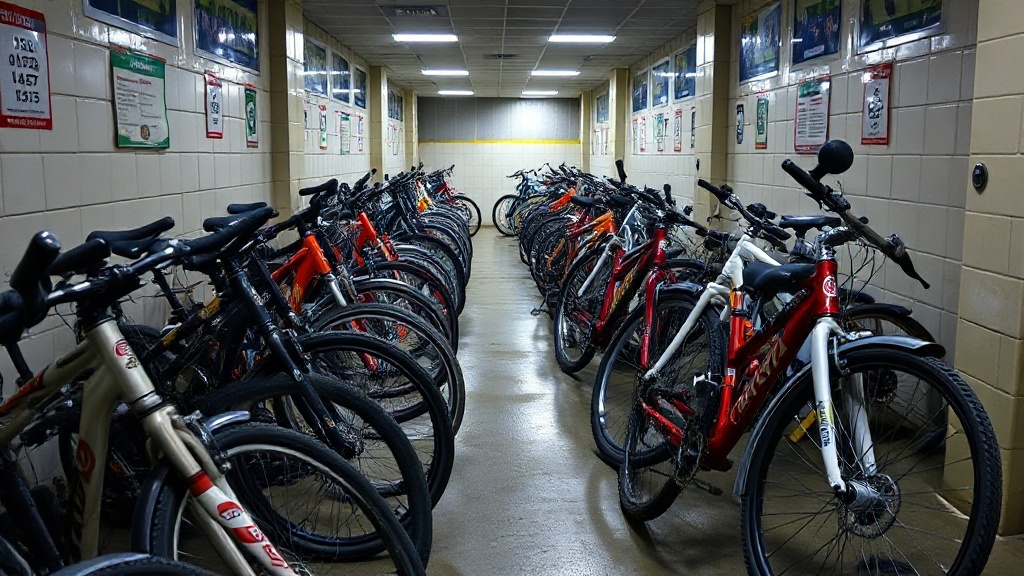
- Bicycles, electronics, tools and jewellery are the most common categories
- Buyer's premium of 15-25% plus VAT is added to the hammer price
- All sales are as-seen with no returns -- read condition notes before bidding
- Legitimate platforms: BidSpotter, i-bidder, Wilsons Auctions
- Check bikes on BikeRegister and phones on IMEI checkers before purchase
TL;DR: What are police auctions? Police auctions are sales of property that has been seized by or surrendered to police forces and is no longer required for operational or evidential purposes, or has not been claimed by its rightful owner within the statutory period. UK police forces a
What are police auctions?
Police auctions are sales of property that has been seized by or surrendered to police forces and is no longer required for operational or evidential purposes, or has not been claimed by its rightful owner within the statutory period. UK police forces are required by law to dispose of unclaimed property under the Police Property Act 1897 and related regulations. The primary disposal method is sale through authorised auction houses operating under contract with individual forces.
The items sold range from everyday consumer goods to more valuable items. Bicycles are by far the most consistently available category. Electronics, jewellery, tools, clothing and occasionally vehicles are also regularly listed. Property sold at police auctions has gone through an internal property management process and is sold with legal title where that can be established.
How UK police forces sell property
UK police forces do not run their own public auction houses. Instead, they contract with specialist auction operators who handle listing, bidding, payment and logistics. The main platforms that handle UK police property auctions include:
- BidSpotter: One of the largest industrial and consumer auction platforms in the UK, hosting police property auctions for multiple forces. Fully online bidding.
- i-bidder: Another major online auction aggregator listing police property sales alongside commercial and industrial auctions.
- Auctions Local: Hosts some force-specific property sales.
- Wilsons Auctions: Handles police vehicle and property auctions in Northern Ireland and some mainland forces.
Some forces list directly through their own portals or through regional auction houses. The best approach is to search for the specific police force name alongside "unclaimed property" or "auction" to find current arrangements.
What is available at police auctions
Bicycles: Recovered stolen bicycles that remain unclaimed after the statutory notice period -- typically 28 days -- are the most commonly sold category at police property auctions. Quality ranges from budget supermarket bikes to high-end carbon road bikes and mountain bikes. This is one of the most consistently available and genuinely valuable categories. Buyers should check the serial number against the BikeRegister national database before bidding on any high-value bicycle.
Electronics: Mobile phones, laptops, tablets, cameras and gaming equipment appear regularly. Devices may be locked, have unknown passcodes or require data wiping. Network-locked phones require unlocking before use on another network. Buyers should check any mobile device against the IMEI blacklist (using services such as CheckMEND or the Police National Property Register) before bidding -- some devices may be registered as lost or stolen on insurance databases even after appearing at a police auction.
Jewellery and watches: Recovered jewellery and watches that cannot be returned to owners. Condition and authenticity are not verified by the auction house unless stated. High-value items should be inspected if possible or researched carefully before bidding.
Tools and garden equipment: Power tools, hand tools and garden machinery appear in most police property sales. These are popular with tradespeople and DIY buyers.
Clothing and accessories: Designer clothing and bags appear occasionally, with provenance rarely verifiable. Buyers should exercise caution with high-value branded items.
Vehicles: Some forces auction seized or recovered vehicles through specialist vehicle auction houses such as Manheim or BCA, or through Wilsons in Northern Ireland. Vehicles require DVLA database checks and should also be checked against the MIAFTR database used by insurers to flag write-offs and stolen vehicles before purchase.
How to bid
Most police property auctions in the UK are now conducted online. The typical process:
- Register on the auction platform (requires ID verification in most cases)
- Browse listed lots with photographs and condition descriptions
- Place a maximum bid (proxy bidding) or monitor and bid in real time as the auction closes
- If successful, pay by the stated deadline (usually 24-48 hours after auction close)
- Arrange collection from the specified location or organise delivery if available
Buyer's premiums are standard at all auction houses -- typically 15-25% of the hammer price, plus VAT on the premium. A bicycle sold for £100 might cost the buyer £125-£130 after buyer's premium and VAT. Always calculate the total cost including premium before placing a maximum bid.
Are police auctions legitimate?
Yes. Police auctions operated through authorised auction houses under force contracts are legitimate disposals conducted under the Police Property Act 1897 framework. Items are sold with legal title where this can be established. However, several fraudulent websites have historically used police auction branding to attract buyers to fake listings. These scam sites typically request upfront payment via bank transfer for items that do not exist.
Legitimate police property auction platforms are Companies House registered, VAT registered, and have verifiable relationships with named police forces. They never request payment via bank transfer to an individual and always provide formal invoice documentation for purchases.
Checking items before and after purchase
For bicycles: search the serial number on BikeRegister (bikregister.com) before bidding. For electronics: check IMEI numbers on CheckMEND or the NPPR before use. For vehicles: run a full HPI check including DVLA, MIAFTR and finance checks before purchasing. For jewellery and watches: professional authentication for high-value items is advisable.
Frequently asked questions
Can you return items bought at police auctions?
Police property auctions are conducted on a strictly as-seen, no-returns basis. Consumer rights legislation relating to distance selling returns does not typically apply in the same way as retail purchases made from a business to a consumer. Buyers rely on the lot descriptions and photographs provided -- requesting additional images before bidding on higher-value lots is advisable where possible.
How often are police auctions held?
Police property auctions are ongoing rather than periodic. The major platforms list new lots continuously. Buyers can register for email alerts on new listings in specific categories (bicycles, electronics, tools) through the main auction platforms, making it possible to monitor for relevant lots without manually checking each day.
Can items be inspected before bidding?
Some auction houses hold preview days at the collection facility where buyers can inspect lots in person before the auction closes. This is more common for larger or higher-value sales than for everyday police property lots. Check the specific auction listing for whether a preview is offered.
Do police auctions sell cars?
Some forces dispose of recovered and seized vehicles through specialist vehicle auction houses rather than general property auction platforms. These are less commonly listed on the main BidSpotter or i-bidder platforms. Searching for the specific force name with "vehicle auction" will identify the relevant contractor for vehicle disposals.


