
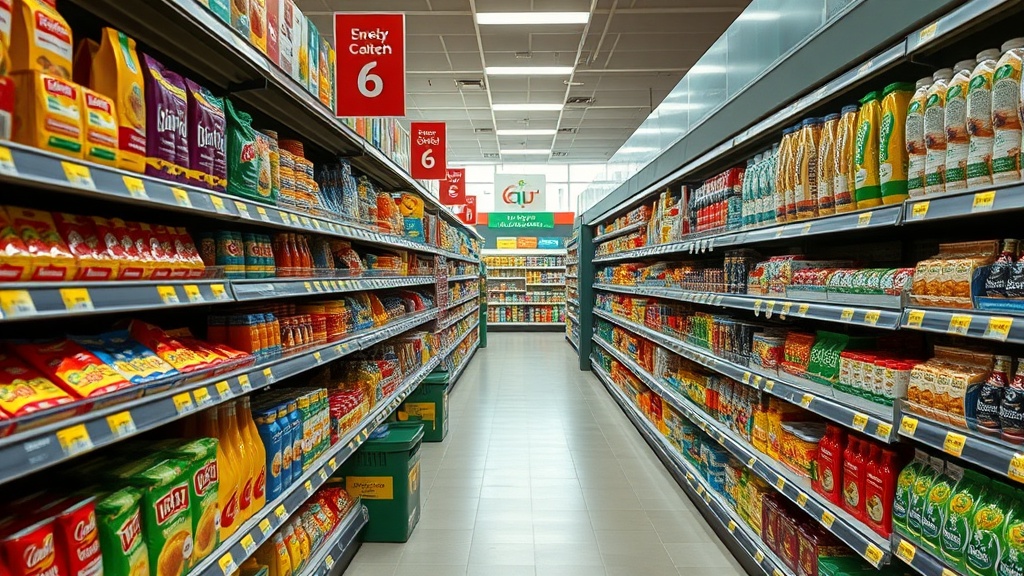
Inflation measures how quickly prices rise. UK CPI inflation stood at 2.8% in May 2026, above the Bank of England's 2% target.
Last reviewed: 1 July 2026
|
MONEY GUIDES |
Inflation is the rate at which prices for goods and services rise over time. In the UK it is measured mainly using the Consumer Prices Index (CPI), and the Bank of England has a target of keeping CPI inflation close to 2%.
|
KEY FACTS
|
How CPI inflation is measured
CPI tracks the changing cost of a representative basket of goods and services bought by UK households, comparing prices now with prices a year earlier. A CPI figure of 2.8% means that basket cost, on average, 2.8% more than it did twelve months before.
Recent UK CPI inflation readings
| Month | UK CPI Inflation | Notes |
|---|---|---|
| March 2026 | 3.3% | Recent peak |
| April 2026 | 2.8% | 13-month low |
| May 2026 | 2.8% | Held steady |
|
CPI vs target Bank of England 2% target: 2% Actual CPI inflation, May 2026: 2.8% |
Why inflation above target matters
When inflation runs above target, money loses purchasing power faster than the Bank considers healthy for the economy. The Bank of England's usual response is to keep Bank Rate higher for longer, or raise it further, to cool spending and bring price rises back toward 2%.
|
Worked Example: What 2.8% inflation means for a weekly shop If a household's weekly shop cost £100 a year ago and prices have risen in line with the 2.8% CPI figure, the same basket of goods would now cost roughly £102.80, assuming the household's actual purchases matched the CPI basket exactly, which in practice they rarely do exactly. |
|
This article is general information, not financial or legal advice. Rules and limits can change: always check the current position with the regulator or scheme concerned before relying on any figure here. |
Why does the Bank of England target 2% and not 0%?
A small positive inflation target is intended to give the Bank room to cut interest rates during downturns without hitting zero, and to avoid the risks associated with deflation, where falling prices can discourage spending and investment.
|
Related Guides |
|
Sources |


