TL;DR
Independent editorial guide. No commission. Sources: FCA, HMRC, primary regulators. |
| Asset Finance ScotlandNo commission | Primary-source editorial | Updated June 2026 |
Asset finance in Scotland
Asset finance in Scotland operates under the same Financial Conduct Authority regulatory framework as the rest of the UK. All lenders operating in Scotland must hold FCA authorisation for credit broking, and regulated credit agreements are subject to the Consumer Credit Act 1974 in the same way as in England and Wales. There is no separate Scottish financial services regulator for asset finance.
The practical difference for Scottish businesses lies in property law rather than financial regulation. Scottish heritable law (land and buildings) differs significantly from English property law and affects commercial mortgages and property-secured lending. However, asset finance for moveable property including plant, machinery, vehicles and equipment follows the same UK-wide legal framework. A hire purchase agreement for an excavator operates identically whether the business is in Aberdeen or Aylesbury.
Scotland has a diverse economic base for asset finance. Agriculture is significant in Aberdeenshire, Angus, Perthshire and the Borders, driving demand for tractor, combine and agricultural machinery finance. Construction and civil engineering is active across Scotland, particularly in the Central Belt and around the Highland growth zones. The oil and gas supply chain in Aberdeen and the north-east generates demand for specialist plant and equipment finance. The renewable energy sector, particularly offshore wind and onshore wind development, creates financing requirements for specialist installation and maintenance equipment.
Scottish agriculture and machinery finance
Scottish agriculture is among the most capital-intensive farming sectors in the UK. Large-scale arable and mixed farming in Aberdeenshire and Angus, extensive hill sheep and beef farming across the Highlands and uplands, and specialist soft fruit and vegetable production in Perthshire and the Clyde Valley all require significant machinery investment.
Close Brothers Asset Finance's dedicated agriculture division operates across Scotland and has specific knowledge of Scottish agricultural conditions, including the shorter growing seasons, higher terrain challenges and distinct crop types compared to southern England. Scottish farm businesses financing tractors, combines, sprayers and specialist hill farming equipment can access Close Brothers facilities from £10,000.
Portman Asset Finance also operates in Scotland with same-day decisions on standard agricultural machinery applications. The Rural Payments and Inspections Directorate (RPID) in Scotland administers the Basic Payment Scheme (BPS) and its successor Managed Transition Payment; businesses receiving BPS or agri-environment payments can use expected payment flows as part of their financial planning when presenting to lenders, though these are not assignable as security.
Construction and plant finance in Scotland
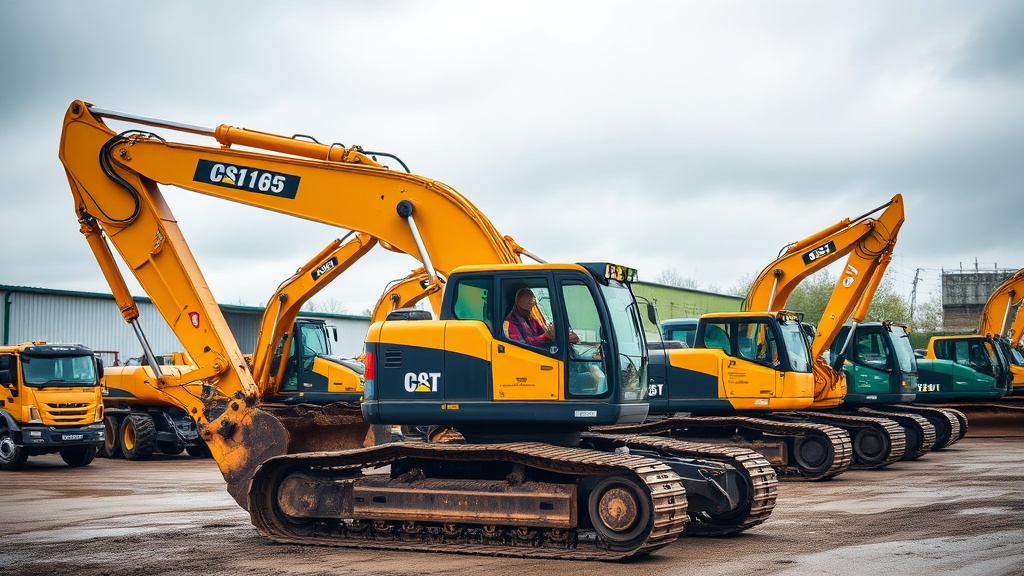
The Scottish construction sector is active across housebuilding, commercial development, infrastructure, utilities and renewable energy installation. Major infrastructure projects including the A9 dualling programme, expansion of Highland growth zones and ongoing housing development programmes create sustained demand for construction plant including excavators, dumpers, cranes and road plant.
All major UK construction plant finance lenders operate in Scotland. Portman Asset Finance provides same-day decisions on yellow plant from £5,000 and has experience financing auction-purchased plant from Scottish auction houses. Close Brothers Asset Finance covers construction machinery through its construction division. The Edinburgh, Glasgow, Aberdeen and Inverness areas have the highest concentration of construction finance activity, but lenders operate across the whole of Scotland.
Scottish construction businesses financing plant should be aware that debt enforcement under Scots law differs from English law. If a hire purchase agreement defaults, the lender's right to repossess the asset follows the Consumer Credit Act procedures for regulated agreements, but the underlying legal framework for debt enforcement is different. For business-to-business agreements above the regulated threshold, Scottish commercial law applies to enforcement. Independent legal advice is recommended before entering large finance agreements.
Scottish government support for business finance
Scottish businesses have access to a range of public sector support bodies that can complement or facilitate access to asset finance. Scottish Enterprise provides business growth support and in some cases access to loan guarantees and grant funding for capital investment. Highlands and Islands Enterprise (HIE) supports businesses in the Highlands, Islands and north-west Scotland with a similar range of financial and advisory support.
The British Business Bank's investment programmes, including the Start Up Loans scheme and the Growth Guarantee Scheme (successor to the Recovery Loan Scheme), are available to Scottish businesses through accredited lenders. The Growth Guarantee Scheme provides a government guarantee on a proportion of lending to eligible SMEs, which can improve access to finance for businesses that do not fully meet standard lender criteria.
The Scottish National Investment Bank (SNIB), established in 2020, provides patient capital for Scottish businesses aligned with mission-driven investment criteria. SNIB focuses on large-scale or long-term investment rather than standard SME asset finance; most businesses seeking equipment or machinery finance will access this through commercial lenders rather than SNIB.
For businesses in crofting communities or rural Scotland, the Crofting Commission and Crofting agricultural loan schemes may provide specific support for agricultural capital investment. These are distinct from commercial asset finance and are administered through the Scottish Government rather than the FCA-regulated sector.
Lenders operating in Scotland
All major UK asset finance lenders operate in Scotland and there is no requirement to use a Scotland-specific lender. Close Brothers Asset Finance, Shawbrook Bank, Aldermore Bank, Portman Asset Finance, Time Finance, Novuna Business Finance, Nucleus Commercial Finance and Fleximize all lend to Scottish businesses on the same terms as the rest of the UK.
Some specialist Scottish agricultural lenders and regional brokers also operate in Scotland, particularly for farming businesses. FCA-authorised agricultural finance brokers in Scotland have knowledge of local conditions, auction houses and sector-specific considerations that can be valuable for complex or high-value agricultural finance transactions.
For a full comparison of UK asset finance lenders with FRN numbers, loan ranges and KT Scores, see: Asset Finance UK: The Independent Guide.
Frequently asked questions
Is asset finance regulated differently in Scotland?
No. Asset finance regulation in Scotland is the same as the rest of the UK. The Financial Conduct Authority regulates all lenders and credit brokers offering asset finance regardless of where in the UK the business is based. The Consumer Credit Act 1974 applies across the UK. The main legal difference in Scotland relates to property law and debt enforcement procedures under Scots law, which differ from English law, but these affect commercial mortgages and property-secured lending more than standard asset finance for moveable property.
Can Scottish businesses access the same lenders as English businesses?
Yes. All major UK asset finance lenders including Shawbrook Bank, Aldermore Bank, Close Brothers Asset Finance, Portman Asset Finance, Time Finance, Novuna Business Finance, Nucleus Commercial Finance and Fleximize lend to Scottish businesses on the same terms as businesses in England and Wales. There is no requirement to use a Scotland-specific lender for standard plant, machinery or vehicle finance.
What Scottish government support is available for business asset finance?
Scottish Enterprise provides business growth support and access to some loan guarantee and grant programmes for eligible businesses. Highlands and Islands Enterprise (HIE) supports businesses in the Highlands and Islands. The British Business Bank's Growth Guarantee Scheme is available to Scottish businesses through accredited lenders. The Scottish National Investment Bank focuses on larger, mission-driven investments. Most businesses accessing standard equipment or machinery finance will do so through commercial FCA-authorised lenders rather than public sector bodies.
Are agricultural auction purchases in Scotland financed differently?
No. Agricultural auction purchases in Scotland are financed on the same basis as elsewhere in the UK. Major Scottish agricultural auction houses including Lawrie and Symington, McGregor and Associates, Scotlands Rural and Aberdeen and Northern Marts (ANM) are all accepted by specialist lenders. Portman Asset Finance can issue same-day credit approvals for auction purchases, which is essential given most Scottish agricultural auction houses require payment within 24 to 48 hours.
Does asset finance affect Scottish Enterprise or Highlands and Islands Enterprise grant eligibility?
Asset finance does not automatically affect eligibility for Scottish Enterprise or HIE grants, but grant terms vary and some grants require the asset to be owned outright by the business rather than financed. Businesses planning to claim a public sector grant toward a capital asset purchase should confirm with the grant provider whether the asset must be purchased outright or whether hire purchase is acceptable. Finance lease and operating lease, where ownership does not transfer to the business, may disqualify the asset from grants requiring business ownership.
This guide is produced by Kael Tripton Ltd as independent editorial content. No commission is earned from any lender. Kael Tripton Ltd is not FCA-authorised and does not provide financial advice. Contact an FCA-authorised asset finance broker for personalised advice. |
Sources |