TL;DR
Independent editorial guide. No commission. Sources: FCA, HMRC, Consumer Credit Act 1974. |
| Asset RefinanceNo commission | Primary-source editorial | Updated June 2026 |
What is asset refinance?
Asset refinance is a form of secured business finance where a business borrows against assets it already owns, using the asset's market value as collateral. Unlike a standard business loan which is unsecured or secured against property, asset refinance is specifically secured against identifiable business assets such as plant, machinery, vehicles or equipment. The business retains operational use of the asset while releasing the capital locked up in it.
Asset refinance is used for two main purposes. The first is releasing working capital from unencumbered assets that the business owns outright, having either paid cash or completed an earlier finance agreement. The second is refinancing the residual balance on an existing finance agreement where the asset has maintained sufficient value to support a new facility.
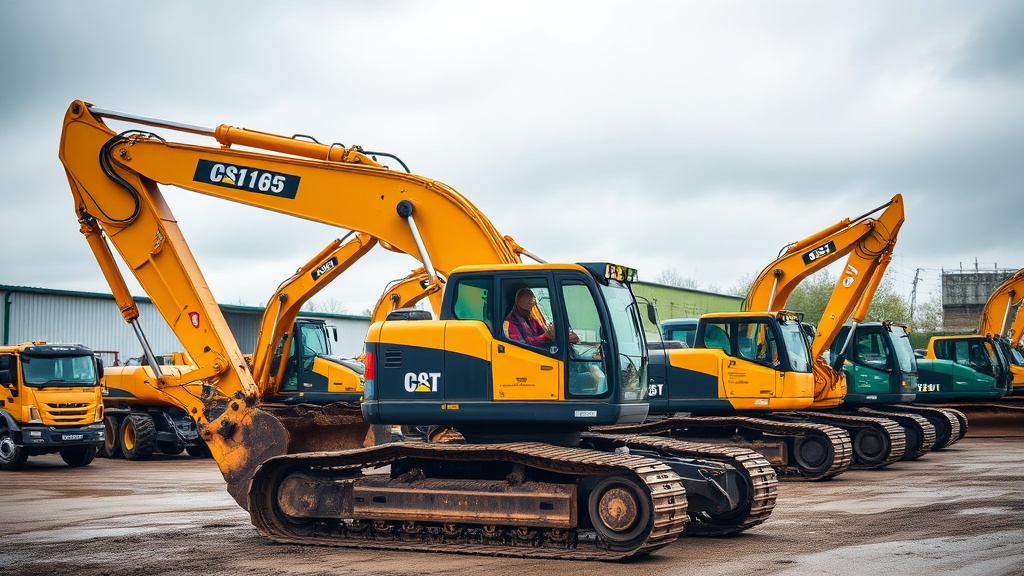
The facility amount available through asset refinance is typically 60 to 80 percent of the current market value of the asset, not the original purchase price. A business that bought an excavator for £150,000 five years ago may find it is now worth £80,000 on the secondary market; it could potentially raise £48,000 to £64,000 through asset refinance against this single asset.
How asset refinance works
The process begins with the lender assessing the current market value of the asset. For common hard assets including plant, machinery and vehicles, lenders use established market data sources including auction results, dealer valuations and equipment pricing guides. For unusual or specialist assets, an independent valuation may be required.
Once the value is agreed, the lender offers a facility of typically 60 to 80 percent of that value. The business repays the facility over an agreed term with fixed monthly payments. The asset secures the borrowing; if the business defaults, the lender can recover and sell the asset to recover the outstanding balance.
For assets already on finance from a previous lender, a refinance facility first settles the outstanding balance with the existing lender. The new lender then holds the security over the asset. If the current market value supports a larger facility than the outstanding balance, the surplus after settlement is released as cash to the business. This is sometimes called top-up refinance or equity release from plant.
Sale and leaseback explained
Sale and leaseback is a specific form of asset refinance where the business sells the asset to the lender at full market value and simultaneously enters a lease agreement to continue using the asset. The business receives the full market value of the asset as cash on completion, then pays ongoing lease rentals for the continued use of the asset. At the end of the lease term, the business can extend the lease, arrange the asset's sale to a third party, or return it.
The key difference between sale and leaseback and standard asset refinance is the amount released. Standard refinance releases 60 to 80 percent of market value. Sale and leaseback releases 100 percent of market value, because the business is selling the asset outright rather than borrowing against it. The trade-off is that the business no longer owns the asset and must pay ongoing rentals to continue using it.
Sale and leaseback is most effective for businesses with high-value unencumbered assets that need significant working capital. A haulage business with a fleet of owned HGVs valued at £2,000,000 could release £2,000,000 through sale and leaseback of the fleet, continuing to operate the vehicles under a lease agreement. Portman Asset Finance, Time Finance and Close Brothers Asset Finance all offer sale and leaseback on qualifying assets.
Which assets can be refinanced?
Asset refinance is most readily available for hard assets with established secondary markets. Construction plant, agricultural machinery, commercial vehicles, manufacturing equipment, print machinery and material handling equipment are the core categories. The asset must be physically identifiable, in working condition, and must have a current market value that the lender can verify.
Used assets are refinanced regularly; it is not necessary for the asset to be new or recently purchased. Many businesses refinance assets that are several years old, provided there is sufficient market value remaining to support the facility. Age limits apply and vary by lender; very old or heavily depreciated assets may not support sufficient value to make refinance viable.
Soft assets including IT equipment and catering equipment are less commonly refinanced because they depreciate quickly and have less liquid secondary markets. Some specialist lenders will consider soft asset refinance but at lower loan-to-value ratios and higher rates than hard assets. For a comparison of which lenders accept which asset types, see: Asset Finance UK: The Independent Guide.
Tax implications of asset refinance
Standard asset refinance where the business retains ownership of the asset has limited direct tax implications. The interest on the refinance facility is deductible as a business expense. The asset continues to qualify for capital allowances in the business's pool.
Sale and leaseback has more complex tax implications. When the business sells the asset to the lender, it disposes of the asset for capital allowances purposes. If the disposal proceeds exceed the asset's tax written down value, a balancing charge arises, creating a taxable profit in the year of sale. If the disposal proceeds are less than the tax written down value, a balancing allowance arises, creating an additional deduction.
After a sale and leaseback transaction, the business can no longer claim capital allowances on the asset because it is no longer the legal owner. The lease rentals paid to the lender are instead deductible as a business expense. HMRC's Capital Allowances Manual at CA26100 sets out the treatment of sale and leaseback transactions in full. Businesses should take independent tax advice before entering a sale and leaseback arrangement, particularly where the amounts are material.
Lenders offering asset refinance
Portman Asset Finance offers asset refinance and sale and leaseback on hard assets including plant, agricultural machinery and commercial vehicles from £5,000, with same-day decisions for standard applications. Time Finance plc offers asset refinance alongside its invoice finance and business loan products, giving businesses that need both asset and working capital finance a consolidated lending relationship. Close Brothers Asset Finance offers refinance through its sector-specialist divisions, particularly in agriculture, transport and print where the division's expertise in asset values adds precision to the facility offer.
Shawbrook Bank and Aldermore Bank offer asset refinance as part of their standard asset finance product ranges, from £25,000 and £5,000 respectively. Bank lenders typically apply more rigorous credit criteria than specialist non-bank lenders but provide the certainty of institutional pricing and PRA regulation.
Frequently asked questions
How much can I raise through asset refinance?
The amount available through asset refinance is typically 60 to 80 percent of the current market value of the asset, not the original purchase price. The exact percentage depends on the asset type, age and condition, and the lender's appetite. For sale and leaseback, 100 percent of market value is available because the business is selling the asset outright. The lender's valuation of the asset is the starting point for any facility offer.
Can I refinance an asset that is already on finance?
Yes. If an asset has an existing finance agreement and the current market value is higher than the outstanding balance, a refinance lender can settle the existing agreement and provide a new facility. If the new facility is larger than the settlement amount, the difference is released to the business as cash. This is sometimes called top-up refinance. The existing lender must confirm the settlement figure and release their security before the new lender can proceed.
How quickly can I access funds through asset refinance?
For standard applications with clear asset ownership and complete documentation, funds can be available within 2 to 5 working days. Portman Asset Finance can process straightforward refinance applications in 24 to 48 hours. Sale and leaseback transactions where legal title transfer is involved may take slightly longer due to the documentation required. Applications should be submitted with full asset details, proof of ownership, business bank statements and recent accounts.
Does sale and leaseback affect my credit score?
Sale and leaseback involves a credit assessment of the business and typically a hard credit search, which is recorded on the business credit file. The ongoing lease payments are a new financial commitment that will be factored into future credit assessments. As with any finance facility, maintaining payments on time supports the business's credit profile. Missing payments on a sale and leaseback agreement could result in the lender recovering the leased asset and enforcing any personal guarantees.
Is there a minimum asset value for refinance?
Minimum asset values for refinance vary by lender. Portman Asset Finance and Time Finance will consider assets from GBP5,000 current market value. Bank lenders typically have higher minimums; Shawbrook starts at GBP25,000 of facility value. The practical minimum for most refinance transactions is the point at which the facility amount covers the legal and valuation costs and provides a meaningful capital release for the business.
This guide is produced by Kael Tripton Ltd as independent editorial content. No commission is earned from any lender. Kael Tripton Ltd is not FCA-authorised and does not provide financial advice. Contact an FCA-authorised asset finance broker for personalised advice. |
Sources |