CGT Tax Receipts Have Soared 70% — Five Ways to Keep Your Bill Down
Capital gains tax receipts are up 70% in 2026 as HMRC collects more from investors and property sellers. Here are five legal ways to reduce your CGT bill.
CT
Chandraketu Tripathi
Finance Editor, Kaeltripton
Published3 Apr 2026
Last reviewed11 May 2026
✓ Fact-checked
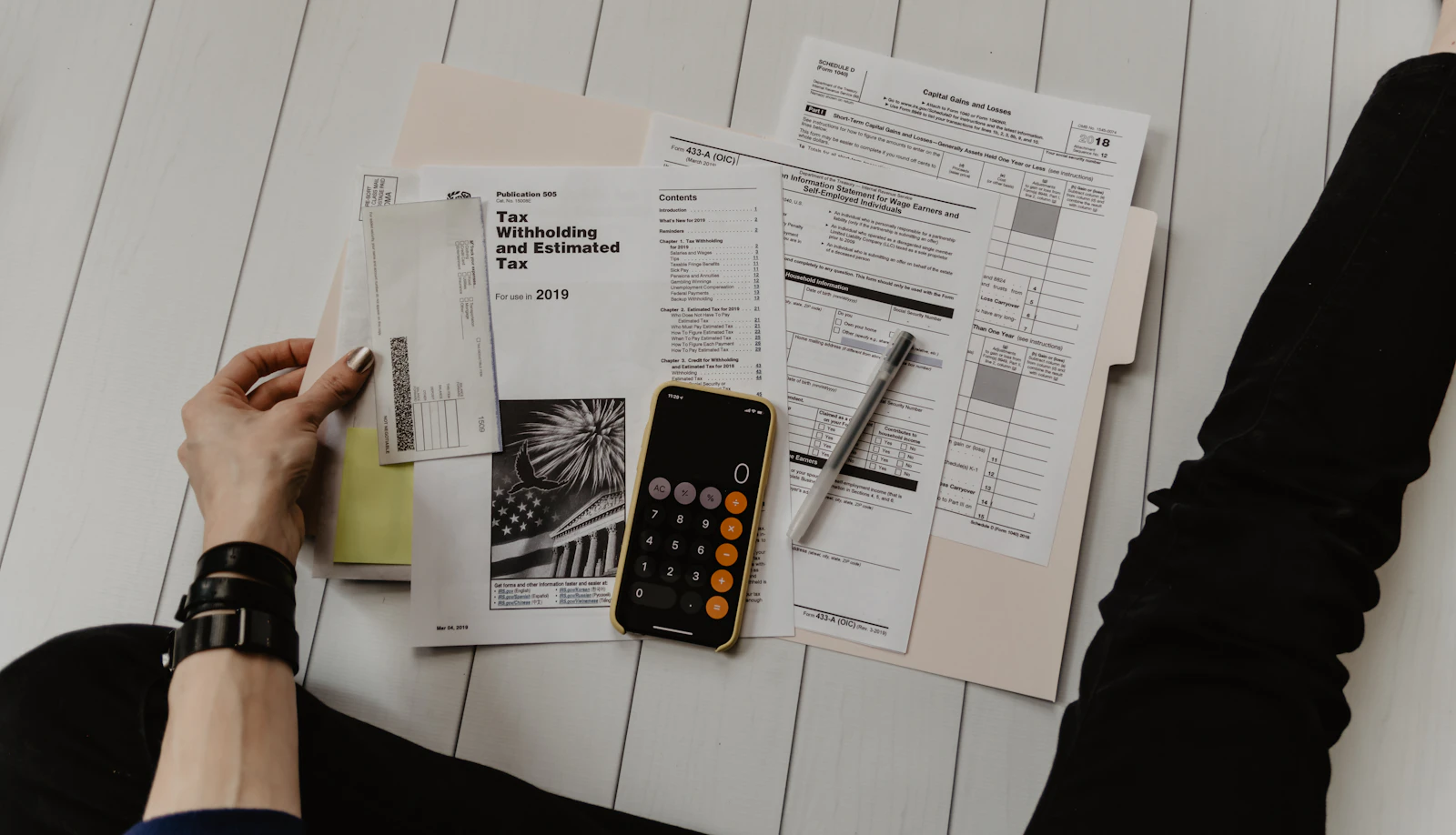
Illustrative image. AI-generated and does not depict real people, places or events.
Advertisement
Tax — April 2026
April 3, 2026 — London
Capital gains tax receipts have surged by approximately 70% according to Spring Statement 2026 data — a sign that HMRC is collecting significantly more from investors and property sellers as rates and asset values have risen. If you're planning to sell shares, property, or a business, your CGT bill has likely increased substantially compared to two years ago.
Why Are CGT Receipts Soaring?
CGT rates raised — now 18%/24% on most assets
Annual exempt amount slashed from £12,300 to just £3,000
More disposals as investors rebalance portfolios
Property sales generating larger gains after years of price rises
Increased HMRC compliance activity on crypto and shares
Five Ways to Reduce Your CGT Bill
1. Use Your £3,000 Annual Exempt Amount
The annual exempt amount is £3,000 per person — use it every year by selling assets with gains up to this level. Couples can use £6,000 combined. Unused amounts cannot be carried forward.
2. Transfer Assets to Your Spouse Before Selling
Transfers between spouses are CGT-free. Transferring an asset to a lower-rate taxpayer spouse before sale means the gain is taxed at 18% instead of 24%. On a £100,000 gain, that saves £6,000.
3. Invest Inside an ISA
Any gains made inside a Stocks and Shares ISA are completely CGT-free. Use the Bed and ISA strategy — sell assets, crystalise the gain up to the exempt amount, and repurchase inside an ISA.
4. Spread Disposals Across Tax Years
If you're planning a large sale, splitting it across two tax years (before and after 5 April) doubles your exempt amount and may keep some gains in the basic rate band.
5. Claim All Allowable Costs
Every allowable cost — purchase fees, solicitor costs, improvements (for property), stamp duty on purchase — reduces your taxable gain. Many sellers forget some of these. See our Capital Gains Tax UK 2026 Guide.
Bottom line: CGT is collecting more than ever because rates are up and the annual exempt amount is down. But with careful planning — ISAs, spousal transfers, timing disposals, and claiming all costs — you can significantly reduce your bill legally.
By Chandraketu Tripathi · April 3, 2026 · kaeltripton.com
Live Tool
Checking when a stock exchange is open? Use our free Global Stock Market Hours tool — live open/closed status, countdown timers, and public holiday alerts for 47 exchanges worldwide. No signup required.
The content on Kaeltripton.com is for informational and educational purposes only and does not constitute financial, investment, tax, legal or regulatory advice. Kaeltripton.com is not authorised or regulated by the Financial Conduct Authority (FCA) and is not a financial adviser, mortgage broker, insurance intermediary or investment firm. Nothing on this site should be construed as a personal recommendation. Rates, figures and product details are indicative only, subject to change without notice, and should always be verified directly with the relevant provider, HMRC, the FCA register, the Bank of England, Ofgem or other appropriate authority before any financial decision is made. Past performance is not a reliable indicator of future results. If you require regulated financial advice, please consult a qualified adviser authorised by the FCA.
CT
Chandraketu Tripathi
Finance Editor · Kaeltripton.com
Chandraketu (CK) Tripathi, founder and lead editor of Kael Tripton. 22 years in finance and marketing across 23 markets. Writes on UK personal finance, tax, mortgages, insurance, energy, and investing. Sources: HMRC, FCA, Ofgem, BoE, ONS.