
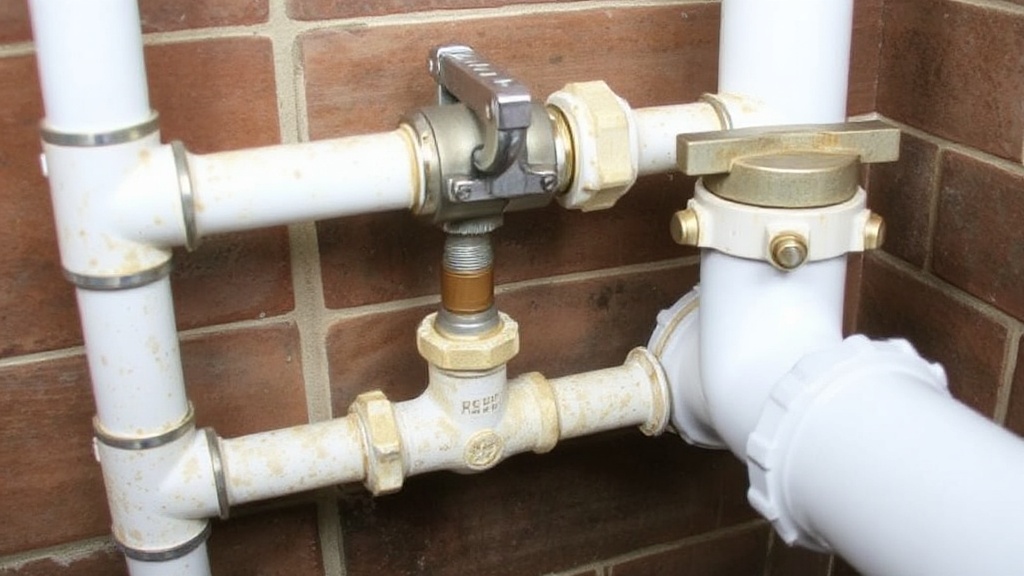
TL;DR. Plumbing and drainage cover pays to trace and repair leaks, blockages and pipe failures in and around a home. The key comparison points are scope (internal pipes, external supply pipe and drains), response time, excess, any repair cost cap, waiting period and annual callout limit. Three broad types exist: water company add-on plans (around 2 to 5 pounds per month), standalone plumbing insurance (6 to 12 pounds per month) and combined home emergency packages (12 to 25 pounds per month). Homeowners are responsible for the supply pipe on their property, while the sewerage company usually owns the lateral drain under the Water Industry Act framework.
★ Featured Partner · Sponsored
Compare Insurance Quotes
Search and compare quotes from leading UK insurers. Quotezone's panel includes specialist insurers not always on the four major comparison sites.
Compare Quotes →What plumbing and drainage cover does
Plumbing and drainage cover is a form of home emergency protection that responds when the water and waste systems of a property fail. The typical covered events are a burst or leaking pipe, a blocked drain, a blockage in the waste system, and the failure of internal plumbing such as the pipework feeding taps, the toilet and the heating system. When such a problem occurs, the policy arranges and pays for an engineer to attend, trace the fault and carry out a repair, usually up to a stated limit. The aim is to convert the unpredictable cost and disruption of a plumbing emergency into a predictable monthly premium and a known process for getting help.
Plumbing and drainage cover is distinct from buildings insurance, which covers damage to the structure from insured events such as escape of water, and from contents insurance. A buildings policy may pay to repair the damage a burst pipe causes to floors and walls, but may not pay to find and fix the pipe itself, which is the gap plumbing cover is designed to fill. The two are complementary, and the interaction between them is worth understanding before buying.
Internal versus external cover scope
The single most important comparison point is scope, because plumbing cover can extend from the taps inside the home all the way to the pipes in the street, and policies differ sharply on how far they reach. Internal cover deals with the pipework inside the property: the supply and waste pipes serving sinks, baths, toilets and appliances, and often the pipework of the central heating system. External cover extends beyond the walls of the home to the underground pipes on the property, including the supply pipe that brings water from the boundary to the house and the drains that carry waste away. A policy that covers only internal plumbing leaves the more expensive external pipe and drainage work uninsured, so the scope should be matched to the risks the household actually faces.
Supply pipe cover and why it matters
The supply pipe is the underground pipe that carries water from the boundary of a property to the home. Responsibility for it is a common source of confusion. Once water passes the boundary of the property, the supply pipe is generally the homeowner's responsibility, not the water company's. That means a leak in the supply pipe across a garden or driveway is the householder's to fix, and because the work involves excavating to reach a buried pipe, it can be expensive. This is precisely why supply pipe cover is a valuable feature of an external plumbing policy. Some water companies offer limited assistance with a first supply pipe leak, but this should not be assumed, and the homeowner's underlying responsibility for the pipe on their land is the default position.
Lateral drain responsibility
Drainage responsibility changed significantly for most properties in England and Wales. Under the framework governing private sewers and lateral drains, the sewerage companies took over responsibility for most lateral drains and private sewers that connect to the public network. A lateral drain is broadly the section of drain that runs beyond the property boundary to the public sewer. For most households this means that a blockage or collapse in the lateral drain is the sewerage company's responsibility to resolve, not the homeowner's. The drains that remain the homeowner's responsibility are generally those within the boundary of the property serving that single home. Understanding this division prevents a household from paying for cover, or paying for repairs, that the sewerage company is in fact responsible for, and it should be checked against the specific circumstances of the property.
The three main policy types compared
Plumbing and drainage protection is sold in three broad forms, and the table sets out how they compare on cost and typical scope. The figures are indicative monthly costs and vary by provider, property and the level of cover chosen.
| Policy type | Typical monthly cost | Typical scope |
|---|---|---|
| Water company add-on plan | 2 to 5 pounds | Supply pipe and/or internal plumbing, basic |
| Standalone plumbing insurance | 6 to 12 pounds | Internal and external pipes and drainage |
| Combined home emergency package | 12 to 25 pounds | Plumbing, drainage, heating, electrics and more |
Water company add-on plans are the cheapest and narrowest, often focused on the supply pipe or basic internal plumbing. Standalone plumbing insurance covers a broader range of internal and external work. Combined home emergency packages bundle plumbing and drainage with heating, electrics and other home systems, at a higher cost. The right choice depends on which risks the household wants to cover and whether a broader home emergency package is better value than separate plumbing cover.
Key comparison variables
Beyond the headline type and price, several variables determine what a plumbing and drainage policy is actually worth. The exact pipes and drains covered should be established precisely, since this is where policies differ most. The response time, often expressed as a service level for attending an emergency, matters when a leak is causing damage. The excess payable per claim affects the net benefit of cover. Any cap on the repair cost the policy will meet is important, because an uncapped policy and a policy that pays only up to a few hundred pounds are very different products. The waiting period at the start of cover prevents claims for an existing problem. The annual callout limit caps how many times the policy can be used in a year. Setting these variables side by side for two or three policies turns a vague comparison into a clear one.
Older property versus new build risk
The age and construction of a property shape the plumbing risk and therefore the value of cover. An older property may have older pipework, including materials prone to corrosion or to failure at joints, and older underground drains that are more likely to crack, collapse or be invaded by tree roots. A new build typically has modern pipework and drainage, lower near-term failure risk, and often a structural warranty such as an NHBC warranty that covers certain defects in the early years. A household in an older property with ageing pipes and drains has a stronger case for comprehensive external cover, while a household in a recent new build may find that the near-term risk is low and partly addressed by the build warranty.
Hard water areas and pipe deterioration
Water hardness varies across the UK, and it affects plumbing in ways that feed into the cover decision. Much of southern England and parts of the Midlands have hard water, which is high in dissolved minerals. Over time, hard water can cause limescale to build up inside pipes, heating systems and appliances, reducing flow and contributing to the failure of components such as valves and heating elements. While limescale is more often associated with appliance and boiler problems than with sudden pipe bursts, the overall effect is that plumbing systems in hard water areas may face more gradual deterioration. Households in these areas may weigh plumbing and heating cover more heavily, though they should also note that damage attributable to neglected limescale can sometimes be excluded, which makes routine maintenance and water treatment worthwhile.
What questions to ask before buying
A focused set of questions sharpens the comparison. Which internal pipes are covered, and does cover extend to the central heating pipework? Is the external supply pipe covered, and up to what cost? Which drains are covered, given that the sewerage company may already be responsible for the lateral drain? What is the response time for an emergency, and is it different at night or weekends? What excess applies, and is there a cap on the repair cost the policy will meet? How long is the waiting period, and how many callouts are allowed each year? Asking these before buying avoids the common disappointment of discovering, mid-emergency, that the specific problem is outside cover.
How to switch providers
Switching plumbing and drainage cover is generally straightforward, but timing and continuity matter. A household should check the renewal date and any notice period of the existing policy, confirm that the new cover starts before the old one ends to avoid a gap, and be aware that a new policy may impose a fresh waiting period during which claims cannot be made. Comparing the renewal quote against the wider market is worthwhile, because home emergency and plumbing premiums can rise at renewal, and a household that simply accepts each renewal may pay more than one that compares. Any existing or known fault should be resolved before switching, since a pre-existing problem will not be covered by a new policy.
Tracing leaks and the cost of access
A feature that distinguishes plumbing cover from a simple repair is the cost of finding the fault and reaching it. A leak in a buried supply pipe or beneath a floor is often not visible, and locating it can involve specialist leak detection equipment before any repair begins. The repair itself may then require excavation of a garden or driveway, or lifting flooring, and reinstating the surface afterwards. These access and trace costs can exceed the cost of the pipe repair itself. Policies vary in whether and how far they cover trace and access, sometimes described as access cover, so a household weighing external cover should check whether the cost of getting to a buried leak, and of putting the ground back afterwards, is included or capped.
What is typically excluded
Plumbing and drainage policies carry exclusions that shape their real value. Pre-existing faults present before cover started are excluded, as is gradual deterioration that the household was aware of and failed to address. Damage caused by neglect, such as frozen pipes that were not protected over winter or limescale build-up that was not maintained, may be excluded. Work the sewerage or water company is responsible for, such as the public sewer or in many cases the lateral drain, falls outside a homeowner policy. Cosmetic reinstatement may be limited, so a policy might repair a pipe and backfill a trench without restoring decorative finishes to their original state. Reading these exclusions alongside the cover prevents a household from assuming protection it does not have.
Home emergency packages in detail
Combined home emergency packages bundle plumbing and drainage with other home systems, and they suit households that want broad protection under a single policy. A typical package may cover plumbing leaks and blockages, the central heating and boiler, the electrical system, security such as broken locks after a break-in, and sometimes pest infestations or roofing emergencies. The appeal is breadth and simplicity, with one premium and one number to call for a range of household emergencies. The trade-off is cost, since the package premium of 12 to 25 pounds per month reflects the wider cover, and a household that only wants plumbing and drainage protection may find a standalone policy cheaper. The decision rests on how many home systems the household wants covered and whether the combined premium is better value than separate plumbing and boiler cover.
Self-insurance and saving for plumbing repairs
As with appliance cover, self-insurance is a genuine alternative to a plumbing policy. A household with a sound, relatively modern plumbing system and an emergency fund may reasonably choose to pay for the occasional blockage or leak as it arises rather than fund a premium. The risk this approach carries is a large, sudden cost, such as a collapsed external drain or a supply pipe leak requiring excavation, landing before a fund has built up. The balance therefore depends on the age and condition of the plumbing, the size of the emergency fund, and the household's tolerance for an unexpected bill. An older property with ageing underground pipes and drains tilts the balance toward cover, while a modern home with a healthy buffer tilts it toward self-insurance. Either way, knowing which pipes and drains are the household's responsibility, and which belong to the water or sewerage company, ensures money is spent only on the risks that genuinely fall to the homeowner.
Disclaimer. This article is general information about consumer rights and appliance cover in the United Kingdom. It is not financial, legal or insurance advice and does not recommend any particular product or provider. Cover terms, prices and statutory provisions change over time and vary between policies. Anyone making a decision about appliance cover, a warranty claim or a consumer rights complaint should read the relevant policy documents in full and, where appropriate, take advice from a qualified adviser or a free service such as Citizens Advice.
Frequently asked questions
Who is responsible for the water supply pipe?
Once water passes the boundary of a property, the supply pipe is generally the homeowner's responsibility, not the water company's. A leak in the supply pipe across a garden or driveway is therefore the householder's to fix, which is why supply pipe cover is a valuable feature of external plumbing cover.
Who is responsible for blocked drains?
For most properties in England and Wales, the sewerage company is responsible for the lateral drain beyond the property boundary and for shared private sewers, following the transfer of private sewers. Drains within the boundary serving a single home generally remain the homeowner's responsibility.
How much does plumbing and drainage cover cost?
Water company add-on plans typically cost around 2 to 5 pounds per month, standalone plumbing insurance around 6 to 12 pounds per month, and combined home emergency packages around 12 to 25 pounds per month, depending on scope and provider.
What should I compare between plumbing policies?
The key variables are exactly which pipes and drains are covered, the response time, the excess, any cap on the repair cost, the waiting period and the annual callout limit. Setting these side by side for two or three policies makes the comparison clear.
Does buildings insurance cover plumbing repairs?
Buildings insurance may pay to repair damage caused by an event such as escape of water, but often does not pay to trace and fix the pipe itself. Plumbing and drainage cover is designed to fill that gap, so the two products are complementary.


