TL;DR
Asset finance allows UK businesses to acquire equipment, vehicles or machinery by spreading the cost over time. The lender buys the asset, the business uses it immediately and makes monthly payments. Main types: hire purchase (ownership transfers), finance lease (lender retains ownership), operating lease (shorter-term rental). FLA reports £47.7bn UK asset finance market in 2024 with 96% approval rate.
Last reviewed: June 2026 | Sources: FCA Register, FLA, HMRC, legislation.gov.uk
|
Key Facts UK market: £47.7bn (2024)Growth: 8% year-on-yearApproval rate: 96%FLA members: 100+ lenders |
The asset finance process step by step
Step 1: Choose the asset -- identify the specific asset from a supplier or dealer. Most lenders require a formal quotation.
Step 2: Select the finance product -- hire purchase, finance lease or operating lease depending on ownership requirements and tax position.
Step 3: Apply -- submit to a lender or through an NACFB-accredited broker. The lender assesses credit profile, trading history, cash flow and asset value.
Step 4: Credit assessment -- credit searches are carried out. Asset finance has a 96 percent approval rate (FLA 2024) versus 45 percent for bank loans.
Step 5: Agreement signed -- the lender issues the finance agreement with monthly payment, term, rate, end-of-term options and conditions. Read carefully, particularly maintenance and insurance obligations.
Step 6: Asset delivered -- the lender pays the supplier directly. The asset is delivered to the business and monthly payments begin.
Step 7: End of term -- under hire purchase, pay the final option-to-purchase and take legal ownership. Under finance lease, return, extend or take a share of sale proceeds. Under operating lease, return the asset.
Who provides asset finance in the UK?
Over 100 lenders that are FLA members serve the UK asset finance market. These include specialist lenders (Shawbrook Bank, Close Brothers, Aldermore, Novuna), challenger banks, high street banks with SME divisions, and independent specialists (Fleximize, Nucleus, Time Finance, Portman). The FLA reports 69 percent of SME asset finance is broker-introduced. The National Association of Commercial Finance Brokers (NACFB) accredits commercial brokers subject to professional standards.
What assets can be financed?
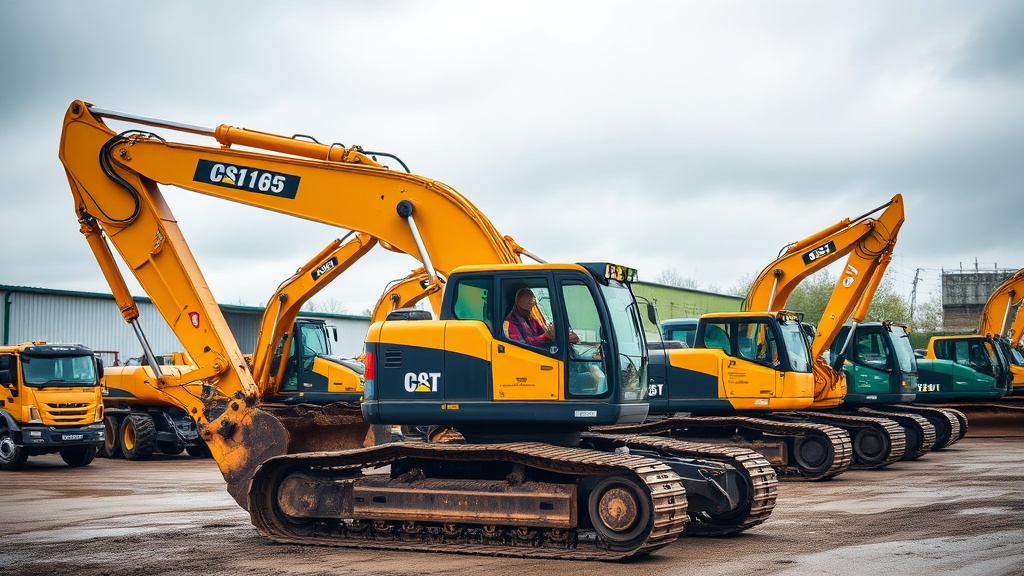
Almost any tangible business asset can be financed: commercial vehicles, plant and machinery, agricultural and construction equipment, forklifts, print and packaging machinery, manufacturing equipment, medical and dental equipment, IT equipment and fit-out costs. Some lenders finance soft assets including software. Assets that are difficult to finance include those with very fast depreciation, those that cannot be repossessed easily, highly specialised assets with no secondary market, and assets subject to regulatory restrictions on transfer.
Asset Finance Products Compared
| Product | Ownership | Tax Treatment | Best For | Typical Term |
|---|---|---|---|---|
| Hire Purchase | Transfers at end | Capital allowances + AIA | Assets to keep long-term | 2-7 years |
| Finance Lease | Stays with lender | Lease payments deductible | Assets to upgrade at end | 2-7 years |
| Operating Lease | Stays with lender | Lease payments deductible | Short-term or fast-depreciating | 1-5 years |
| Sale and Leaseback | Stays with lender | Lease payments deductible | Release capital from owned assets | 2-7 years |
| Asset Refinance | Stays with lender | Lease payments deductible | Unlock equity in existing assets | 1-5 years |
Source: FLA, HMRC.
Regulated and unregulated asset finance
Asset finance for limited companies is generally unregulated by the FCA under the Consumer Credit Act 1974, as the legislation primarily covers individuals and sole traders. Asset finance for sole traders and small partnerships may be regulated. Where a director provides a personal guarantee, some regulated protections may be relevant. All lenders must be FCA-authorised -- check register.fca.org.uk.
|
Related Guides |
|
Disclaimer This guide is for information only and does not constitute financial advice. Asset finance products vary by lender and business circumstances. Always verify lender details on the FCA Financial Services Register at register.fca.org.uk before applying. Kael Tripton Ltd is an independent editorial publisher and is not regulated by the FCA. |
Frequently asked questions
What is the difference between asset finance and a business loan?
A business loan provides cash for any purpose. Asset finance is tied to a specific asset -- the lender purchases it, the business uses it. Asset finance approval rates are 96 percent versus 45 percent for bank loans because the asset provides security. Asset finance does not affect the business's general credit lines.
Can a startup get asset finance?
Some lenders including Nucleus and Time Finance consider businesses trading for as little as six months. Most mainstream lenders require two years. Startups can improve chances by offering a larger deposit, providing director personal guarantees and choosing hard assets with strong residual values.
Is asset finance on the balance sheet?
Hire purchase and finance leases are on the balance sheet as both an asset and liability. Under IFRS 16, most leases are also on-balance sheet for IFRS businesses. Operating leases for FRS 102/105 businesses may remain off-balance sheet. Discuss with your accountant before structuring.
What happens if I cannot make asset finance payments?
The lender will issue formal notices before moving to repossession. Under hire purchase, if you have paid more than one third of the total amount payable, a court order is required for repossession. Contact the lender immediately if you anticipate difficulties -- most prefer to restructure rather than repossess.
How quickly can asset finance be arranged?
Straightforward hard asset finance for established businesses with clean credit can be arranged same-day to 48 hours. More complex applications or adverse credit take five to ten working days. Using an NACFB-accredited broker who knows each lender's appetite significantly speeds up the process.
|
Sources |