LAST REVIEWED: 12 JUNE 2026
|
★ Featured Partner · Sponsored Compare Insurance Quotes Search and compare quotes from leading UK insurers. Quotezone's panel includes specialist insurers not always on the four major comparison sites. Compare Quotes → |
TL;DR: An EasyJet Airbus A320 bound for Malaga departed London Luton on 13 June 2025 from a runway intersection despite the crew having calculated take-off performance data for the full runway length. The AAIB has now published findings attributing the error to habit and confirmation bias. Airbus analysis confirmed there was no risk of runway overrun.
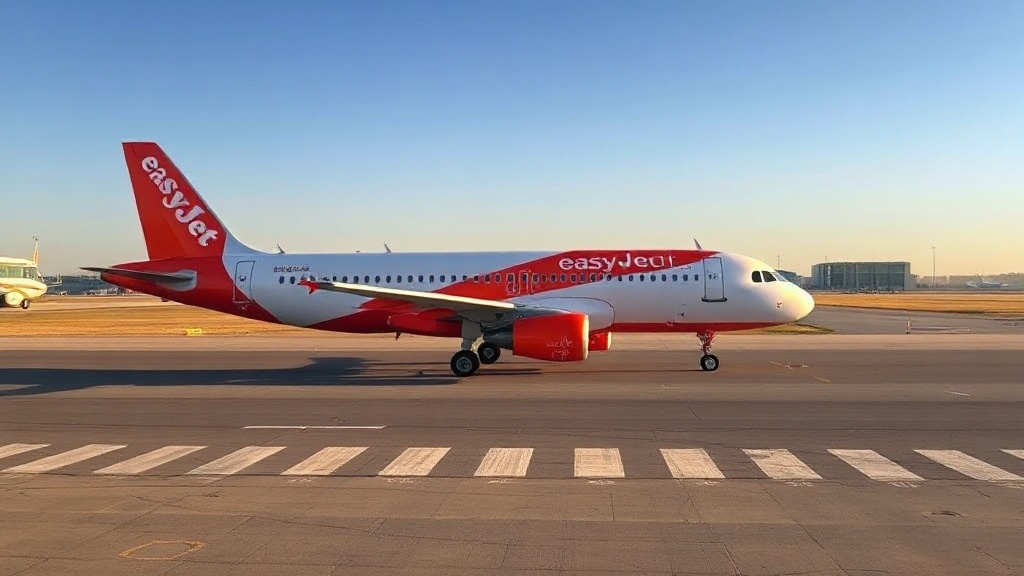
The Air Accidents Investigation Branch (AAIB) has released its findings into a serious incident that took place at London Luton Airport on 13 June 2025, in which an EasyJet Airbus A320 took off from a runway intersection while holding performance calculations prepared for a full-length departure.
The aircraft, registered G-EZUK, was operating a service to Malaga carrying 180 passengers and six crew members. Its weight at the time was 68.9 tonnes, described in the report as higher than typical.
What Happened
During pre-departure preparations, the first officer initially calculated take-off performance using runway intersection A as the starting point. Under the conditions that day, that calculation showed the aircraft did not have sufficient performance to depart safely from that position. The crew redid the calculation for a full-length take-off from runway 25, which was accepted.
However, when the aircraft taxied to the runway, it lined up at intersection A rather than at the full-length starting point. The crew did not identify the discrepancy between their briefed departure position and where the aircraft had actually stopped. The take-off proceeded, and the aircraft passed low over the opposite threshold of the runway before climbing safely.
The incident was only identified after Luton's flight-data monitoring system flagged the abnormal trajectory.
AAIB Findings
The AAIB attributed the error to habit and confirmation bias. Intersection A is described in the report as the operator's preferred departure position at Luton. The crew's familiarity with that position meant they defaulted to it during taxi without cross-checking against the performance calculation they had prepared.
Although the crew briefed potential risks during their pre-take-off checks, including the effect of the aircraft's weight, they did not raise the departure position as a variable requiring explicit verification.
Airbus subsequently analysed rejected take-off scenarios for the specific conditions of that flight and determined there was no risk of a runway overrun. The incident was therefore serious in procedure but the safety margin, while reduced, was not exhausted.
Procedure Changes
Following the incident, EasyJet reviewed its take-off performance procedures. The operator amended them to require that pilots record the specific intersection used in their performance calculation. This creates an explicit reference point against which the actual taxi position can be verified on line-up before take-off roll begins.
The revision addresses the mechanism by which the discrepancy between the calculated and actual departure points went undetected. By making the intersection part of the written calculation rather than an assumed constant, the procedure creates a step at which any mismatch would surface.
Context: Runway Performance Calculations
Aircraft take-off performance calculations are computed before every departure and account for runway length available, aircraft weight, wind, air temperature, altitude, and surface condition. Where a runway can be entered from a mid-point intersection, the available take-off run is shorter than the full runway length and the required performance margins change accordingly.
Luton's runway 25 has a full declared length of 2,162 metres. The available distance from intersection A is 1,771 metres, a difference of nearly 400 metres. At higher weights, this margin matters.
Operators routinely use intersections to reduce taxi distances and improve turn-around times. The practice is safe when the performance data and the actual departure position correspond. The Luton incident illustrates how routine familiarity with a preferred procedure can suppress the checking behaviour that catches the rare case when those two things do not align.
Frequently Asked Questions
Was the EasyJet Luton incident dangerous?
The AAIB classified it as a serious incident. Airbus analysis confirmed that no runway overrun would have occurred under the specific conditions of the flight. However, the aircraft passed lower than expected over the opposite runway threshold, indicating the departure margins were reduced relative to what the crew had planned.
What is a runway intersection take-off?
Rather than taxiing to the very start of a runway, aircraft sometimes enter the runway at a mid-point intersection to save time. The available take-off distance is shorter than the full runway, so the performance calculation must reflect the reduced length.
What is the AAIB?
The Air Accidents Investigation Branch is the UK government agency responsible for investigating civil aviation accidents and serious incidents. Its purpose is safety improvement rather than the attribution of blame or liability.


