|
★ Featured Partner · Sponsored Compare Insurance Quotes Search and compare quotes from leading UK insurers. Quotezone's panel includes specialist insurers not always on the four major comparison sites. Compare Quotes → |
TL;DR
- Typical cross-breed rabbit lifetime cover in the UK sits in the £10 to £20 a month band for a young, healthy rabbit, against the ABI 2024 all-pets average of £389 a year.
- The conditions UK insurers see most often are dental disease, gastrointestinal stasis, encephalitozoonosis (E. cuniculi), flystrike, and uterine adenocarcinoma in unspayed does.
- Expected lifespan is around 8 to 12 years with good husbandry.
- The single biggest buying decision is whether to take lifetime cover at all: time-limited and annual policies leave older rabbits uninsured for chronic dental conditions when most claims arise.
Quick facts: Cross-breed rabbit insurance cost and health risk at a glance
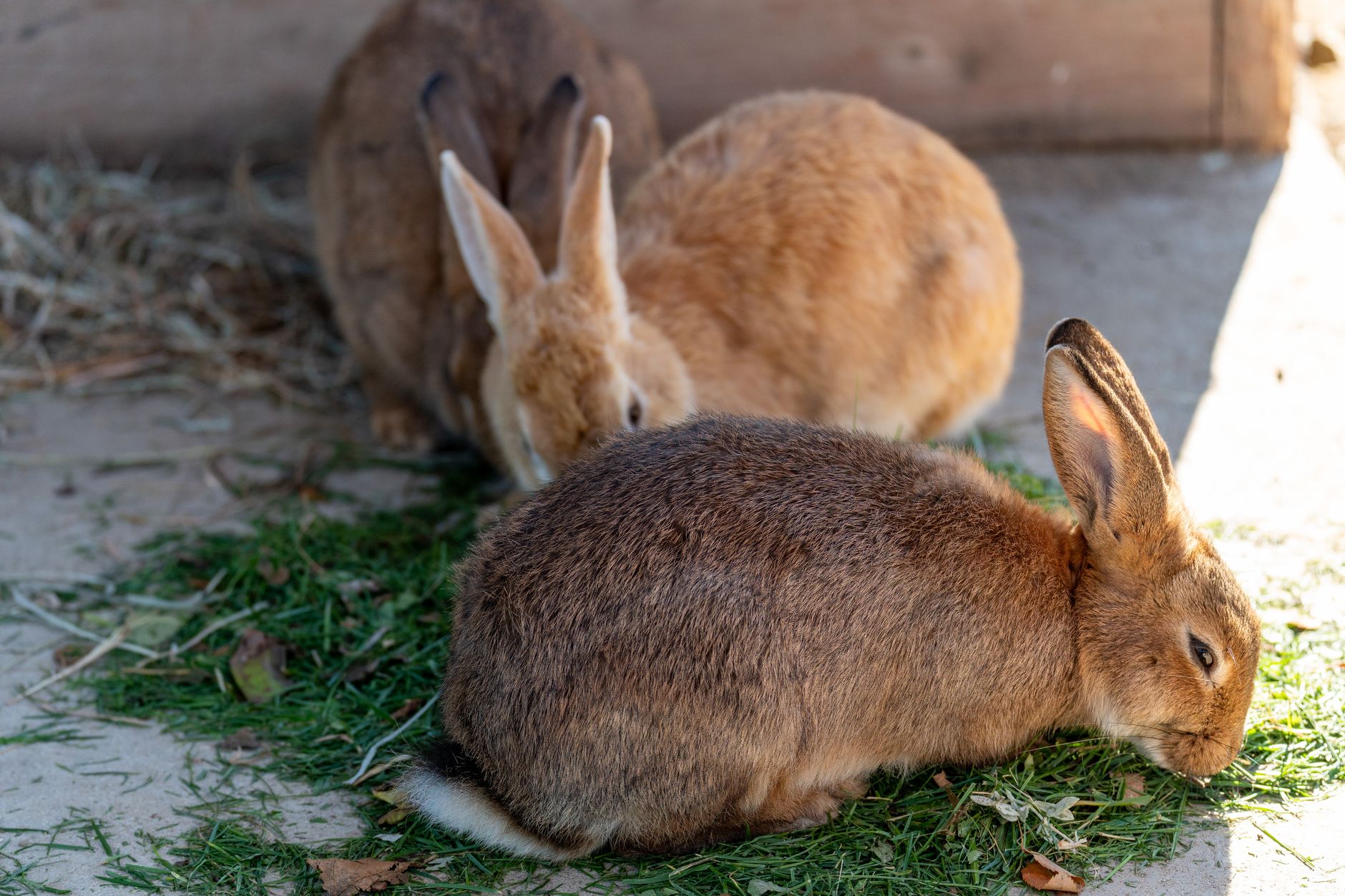
Cross-breed rabbits are the most common pet rabbit type in the UK, encompassing any rabbit not registered with the British Rabbit Council to a recognised standard. Adult bodyweight varies widely (1.5 to 5 kilograms) depending on parentage. UK underwriters price them under the rabbit non-pedigree schedule, which is among the most competitive in the UK pet insurance market. The table below summarises the data points UK underwriters weight most heavily.
| Factor | Cross-breed rabbit profile |
|---|---|
| Recognising body | None; non-pedigree |
| Adult weight | 1.5 to 5 kg |
| Typical lifespan | 8 to 12 years |
| Indicative monthly lifetime premium (young adult) | £10 to £20 |
| Highest-frequency claim types | Dental disease, gastrointestinal stasis, gastric upset |
| Highest-severity claim types | Uterine adenocarcinoma surgery, encephalitozoonosis management, dental surgery |
Key facts
- Rabbits are the UK's third most popular pet behind dogs and cats by household numbers, with the cross-breed type the dominant population.
- Encephalitozoon cuniculi seroprevalence in UK pet rabbits is published in the 40 to 50 percent range in screening studies, although clinical disease is much less common.
- The ABI reported an average UK pet insurance premium of £389 in 2024 across all species; rabbit premiums sit materially below the all-pets average.
Health conditions UK insurers see most in cross-breed rabbits
Cross-breed rabbits benefit from genetic diversity and generally lower hereditary disease prevalence than show breeds. The disorder categories most often raised in published veterinary literature on UK pet rabbits and most consistently in claims experience reported by ABI member insurers are dental disease, gastrointestinal stasis, encephalitozoonosis, integumentary disease (including flystrike), and reproductive disease in entire does.
Dental disease is the dominant claim driver in volume terms. Even non-conformationally predisposed rabbits develop molar spurs and incisor malocclusion, often secondary to inadequate dietary fibre. Management ranges from regular dental burring under anaesthetic (a routine procedure costing £200 to £400 per episode) to surgical extraction in advanced cases.
Gastrointestinal stasis is a leading emergency presentation. The condition is often secondary to dental pain, dietary imbalance, or stress; treatment involves fluid therapy, analgesia, prokinetics and assisted feeding. Acute episodes treated in first-opinion practice typically cost £200 to £600. Severe cases involving complete ileus may require referral and intensive care.
Encephalitozoonosis (caused by Encephalitozoon cuniculi, a microsporidian parasite) presents with neurological signs (head tilt, ataxia, hindlimb paresis), renal disease, or ocular signs (phacoclastic uveitis). Diagnosis is by serology and clinical signs; treatment is fenbendazole over several weeks with supportive care.
Flystrike (myiasis) is a seasonal emergency, particularly in summer. Prevention involves daily perineal checking and dietary management.
Uterine adenocarcinoma is over-represented in unspayed does, with published lifetime risk rising sharply after age four. Routine neutering before age 18 months is recommended by the Rabbit Welfare Association & Fund.
How much does cross-breed rabbit insurance cost in the UK?
UK pet insurance premiums vary by postcode, deductibles, vet fee limit, age at policy start, and the type of cover. The Association of British Insurers reported the average UK pet insurance premium at £389 in 2024 across all species; rabbit premiums sit materially below the all-pets average. Cross-breed rabbit owners typically see lifetime quotes in the £10 to £20 a month range for a young, healthy rabbit enrolled before its first birthday.
The variables that move a cross-breed rabbit quote most are: vet fee limit (the gap between £2,000 and £4,000 cover is material for chronic dental claims), excess and co-payment, postcode, and whether the rabbit is neutered.
Pre-existing conditions remain a critical pricing input. A young rabbit enrolled before any dental abnormality or neurological sign is recorded materially changes the economics of later claims.
What to look for in cross-breed rabbit insurance
Six features of the policy wording carry most of the value for a cross-breed rabbit owner.
1. Lifetime versus annual structure. A lifetime policy is the only structure that pays year after year on chronic dental conditions. Time-limited cover is a structural mismatch for a rabbit.
2. Dental cover and sub-limits. Verify there is no annual or lifetime sub-limit on dental work below the headline per-condition limit.
3. Per-condition limit. A £2,000 per-condition annual limit is generally sufficient for routine rabbit medicine; £4,000 is appropriate where the budget permits.
4. Exotic species cover. Verify the policy is a rabbit-specific lifetime policy and not a generic small-animal product that excludes chronic conditions.
5. Specialist referral cover. Rabbit dental and exotic medicine referral is sometimes required; verify referral is covered.
6. Excess structure. Some insurers apply a relatively low fixed excess that suits rabbit claim sizes; verify the excess is proportionate to typical claim values.
Typical UK claim scenarios for this breed
Cross-breed rabbit claim profiles cluster around three patterns common across UK pet rabbits.
Acute scenario: flystrike emergency
A four-year-old cross-breed rabbit presents in summer with flystrike. Sedation, debridement, antibacterial therapy and supportive care at a first-opinion practice run to £300 to £700 depending on severity.
Chronic scenario: dental management
A two-year-old cross-breed rabbit develops molar spurs requiring quarterly burring under sedation. Annual dental management costs £400 to £800.
End-of-life scenario: E. cuniculi
A seven-year-old cross-breed rabbit develops head tilt and ataxia. Serology confirms active E. cuniculi infection. Treatment with fenbendazole over a 28-day course plus supportive care runs to £200 to £400 per episode; recurrence is possible.
Frequently asked questions about cross-breed rabbit insurance
Are cross-breed rabbits cheap to insure?
Yes, relative to other pets. Cross-breed rabbit premiums are among the most affordable in the UK pet insurance market because of low hereditary disease prevalence and a moderate claim severity profile.
Is dental disease covered?
UK lifetime rabbit insurance policies generally cover diagnosis and treatment of dental disease where the condition was not pre-existing. Some policies apply an annual or lifetime sub-limit on dental work.
Is encephalitozoonosis covered?
UK lifetime policies generally cover diagnosis and treatment of E. cuniculi where the condition was not pre-existing. Treatment is fenbendazole over several weeks with supportive care.
At what age should I insure a cross-breed rabbit?
The first 12 weeks after the rabbit comes home is the standard underwriting window. Insuring early reduces the chance of any dental, gastrointestinal, or neurological sign being treated as pre-existing.
Does insurance cover myxomatosis or RVHD vaccination?
Routine vaccination is generally excluded from UK pet insurance policies. Treatment of vaccine-preventable disease in an unvaccinated rabbit may also be excluded; check the policy wording specifically.
Are uterine cancers covered?
UK lifetime policies generally cover diagnosis and treatment of uterine adenocarcinoma in unspayed does where the condition was not pre-existing. Routine elective neutering is excluded; treatment of established disease is covered.
Can I get a quote without disclosing breed?
No. UK pet insurers price by species and breed, and material non-disclosure can void cover. Always declare the breed (or "crossbreed" with parentage where known) accurately at point of sale.
Will multi-pet households get a discount?
Several UK insurers offer multi-pet discounts, typically a percentage reduction on the second and subsequent pets on the same policy. The structure varies; some apply the discount only to the smaller premium, others to all pets. Check the policy schedule at the quote stage.
Underwriting and disclosure notes for cross-breed rabbit owners
UK rabbit insurance has a smaller product set than dog or cat cover, but the underwriting principles are the same. Insurers price by species, breed (or crossbreed type), age, postcode, and clinical history. The first significant claim usually triggers a request for the rabbit's full clinical history; conditions recorded before the policy started are treated as pre-existing and excluded.
Husbandry disclosure matters for rabbits in a way it does not for cats and dogs. Insurers will sometimes ask about housing (indoor versus outdoor hutch and run), companionship (rabbits should be kept in bonded pairs per Rabbit Welfare Association & Fund guidance), and diet (predominantly grass-based forage). Misalignment between the husbandry described and the conditions claimed for (such as flystrike on an outdoor rabbit without adequate prevention) can affect claim outcomes under fair-conduct clauses.
Breed declaration matters for the small number of pedigree types. A "cross-breed rabbit" sits in a specific risk class; a crossbreed rabbit sits in a different schedule. Misdescription creates a non-disclosure issue at claim.
Age at inception remains the largest individual lever on a lifetime cover quote. Insuring a cross-breed rabbit in the first 12 weeks after the rabbit comes home is the standard underwriting window and produces the broadest cover available. Many UK rabbit insurers will not write new lifetime business on rabbits above age four or five.
Cross-breed rabbit owners purchasing or adopting in pairs (the welfare-recommended approach per the Rabbit Welfare Association & Fund) should consider whether to insure both rabbits on a multi-pet policy. Several UK insurers offer multi-rabbit discounts; the discount structure varies but is typically a percentage reduction on the second and subsequent rabbits on the same policy.
Husbandry-linked claim categories are particularly relevant for cross-breed rabbits because UK pet rabbit populations vary widely in housing standards. Insurers can ask about housing (indoor versus outdoor hutch and run dimensions, predator-proofing, dry housing in winter) and may consider these at claim where the condition claimed (such as respiratory disease in a damp environment, or flystrike in inadequately maintained accommodation) appears husbandry-linked. The Rabbit Welfare Association & Fund publishes minimum housing standards; aligning practice with these reduces both welfare and insurance risk.
Related guides
Sources
- Rabbit Welfare Association & Fund, rabbit care and health resources. rabbitwelfare.co.uk
- British Veterinary Association, position on rabbit welfare. bva.co.uk
- Royal Veterinary College VetCompass programme, rabbit disorder studies. rvc.ac.uk/vetcompass
- Association of British Insurers, UK pet insurance market 2024. abi.org.uk
- Financial Conduct Authority, General insurance Value Measures data. fca.org.uk
- Competition and Markets Authority, Veterinary Services Market Investigation (2024). gov.uk/cma


