|
★ Featured Partner · Sponsored Compare Insurance Quotes Search and compare quotes from leading UK insurers. Quotezone's panel includes specialist insurers not always on the four major comparison sites. Compare Quotes → |
TL;DR
- Typical lifetime cover for a French Lop rabbit in the UK runs £10 to £22 a month, materially below the ABI's £389 all-pet annual average.
- Top three insured conditions: dental disease, otitis externa or media (over-represented in lop-eared breeds), and pododermatitis, with GI stasis, spinal injury, and obesity-related disease as secondary categories.
- Median lifespan estimates range from 5 to 8 years for the breed, shorter than smaller rabbit breeds because of size-related health considerations.
- Key buying decision is whether dental and ear cover are included with appropriate scope; lop-eared breeds are at materially elevated risk for both.
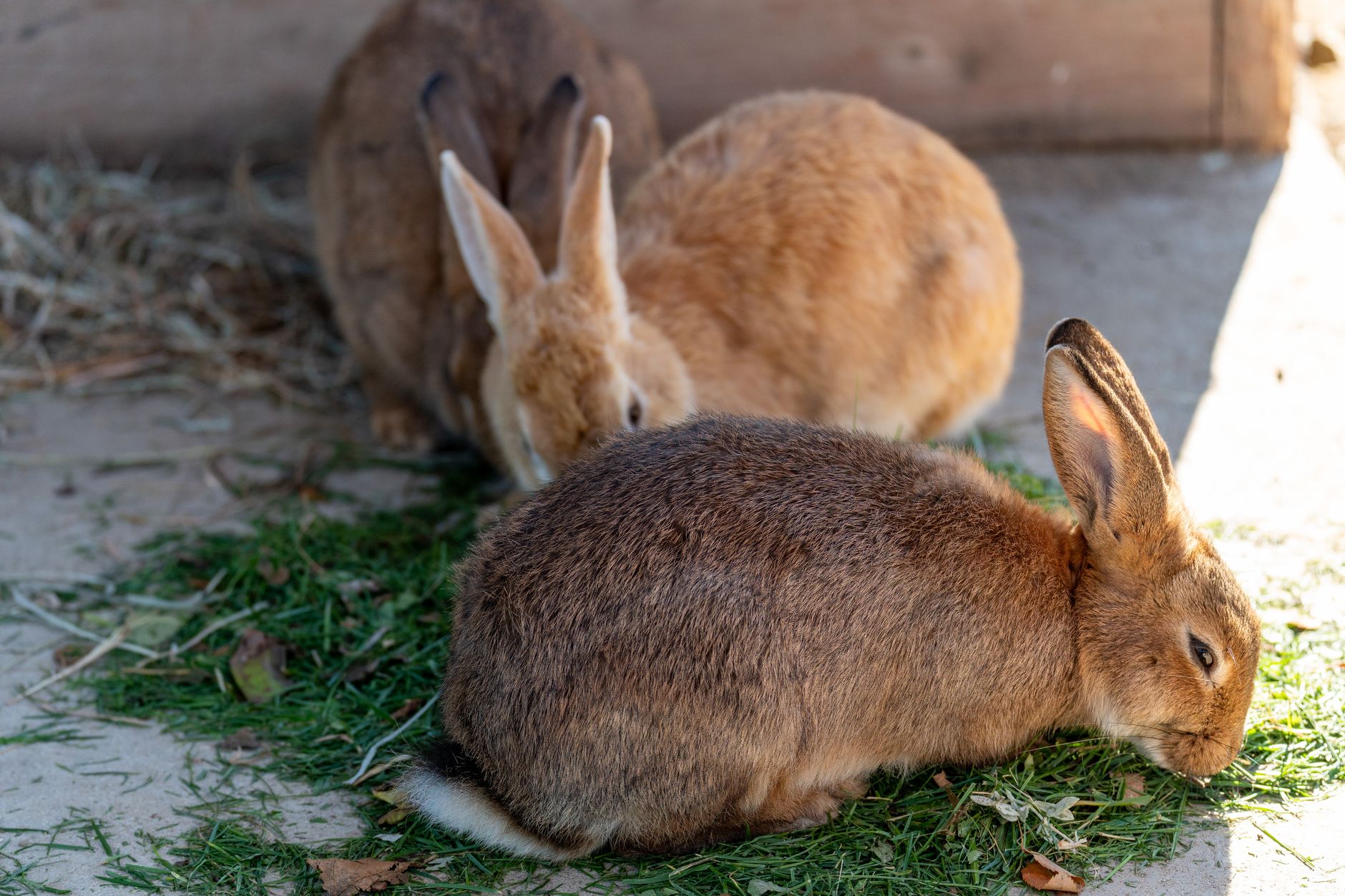
- The French Lop is the largest UK pet rabbit breed and inherits the lop conformation's predisposition to ear and dental disease.
Quick facts: French Lop rabbit insurance cost and health risk at a glance
| Breed status | British Rabbit Council recognised |
| Typical adult weight | 4.5 to 6.5 kg |
| Median lifespan | 5 to 8 years |
| Typical monthly premium (lifetime cover, healthy adult) | £10 to £22 |
| Most common claim categories | Dental disease, otitis externa/media, pododermatitis, GI stasis, spinal injury |
| Conformation | Large size with dropped ears; predisposes to ear and dental disease |
Key facts
- The Rabbit Welfare Association and Fund (RWAF) flags lop-eared breeds as predisposed to ear canal disease compared with normal-eared breeds, primarily because of altered ear canal anatomy.
- The ABI's £389 annual all-pet average is dominated by cat and dog policies; rabbit premiums sit materially below this figure.
- Large rabbit breeds have shorter median lifespans than smaller breeds in welfare survey data, partly reflecting weight-related joint disease and obesity-related conditions.
- RVC VetCompass rabbit-cohort publications identify dental disease as a leading cause of veterinary intervention across UK pet rabbits.
Health conditions UK insurers see most
The French Lop claim profile inherits the universal rabbit welfare categories (dental disease, GI stasis, E. cuniculi, flystrike) with additional concerns specific to large size and lop-eared conformation.
Dental disease is the dominant claim category in any UK pet rabbit and is over-represented in lop-eared breeds because of skull conformation changes that affect molar alignment. Rabbits have continuously growing teeth, and malocclusion causes overgrowth, sharp spurs, soft tissue trauma, and eating difficulty. Diagnostic skull radiographs and dental burrs under general anaesthesia may be needed every few months in affected rabbits. The Rabbit Welfare Association identifies dental disease as a leading reason for veterinary intervention in lop-eared rabbits specifically.
Otitis externa and otitis media (ear infection of the external or middle ear) are over-represented in lop-eared rabbits. The dropped ear conformation reduces airflow into the canal and traps moisture and debris. Chronic ear infection can progress to head tilt and balance disturbance; severe cases require lateral ear canal resection in referral practice (£800 to £1,500 per side). The Rabbit Welfare Association flags ear care as a specific welfare consideration for lop-eared breeds.
Pododermatitis (sore hocks) is over-represented in large rabbits because higher bodyweight increases plantar pressure. Pressure ulcers can develop and progress to bacterial infection and abscess. Treatment is medical with soft bedding and weight control.
Gastrointestinal stasis is the most common rabbit emergency. The rabbit gut depends on continuous fibre intake; stress, dental pain, or dietary change can trigger life-threatening slowdown. Emergency veterinary intervention costs £300 to £1,500 per episode. Lifetime cover refreshes the per-condition limit for recurring episodes.
Spinal injury is over-represented in large rabbits because of the leverage created by the long spine and powerful hindlimb muscles. Incorrect handling (failure to support the hindquarters) can cause spinal fracture or luxation, with hindlimb paralysis as a common presentation. Emergency referral for diagnostic imaging and supportive care costs £500 to £2,000.
Obesity-related disease is over-represented in pet French Lops. Excess weight raises pododermatitis risk, makes grooming the perineum impossible (raising flystrike risk in summer), and impairs natural caecotroph consumption. Weight management is primarily an owner husbandry concern; treatment for obesity-related secondary disease is covered by insurance.
E. cuniculi, snuffles, and flystrike are present at typical rabbit prevalence in the breed. Heat stress is a documented seasonal concern for large rabbits in warm UK summers.
How much does French Lop rabbit insurance cost in the UK?
French Lop premiums sit slightly higher than smaller rabbit breeds because of bodyweight (larger rabbits cost more to medicate and surgically treat per kilogram) and the elevated ear and dental claim profile from lop conformation. Typical monthly premiums for a healthy adult French Lop on a lifetime policy run £10 to £22, equating to £120 to £264 a year.
The UK rabbit insurance market is dominated by specialist exotic and small animal providers rather than mainstream cat and dog insurers. Coverage typically includes vet fees up to an annual limit (commonly £1,500 to £4,000) with some policies offering separate sub-limits for dental work and death from illness.
The Competition and Markets Authority's 2024 Veterinary Services Market Investigation confirmed UK vet fee inflation has materially outpaced general inflation; rabbit consultations are typically billed at exotic species rates.
What to look for in French Lop rabbit insurance
The buying checklist for a French Lop skews toward clear ear and dental cover wording, lifetime structure, and appropriate vet fee limits for a large rabbit.
- Lifetime versus annual structure: not all rabbit policies are true lifetime products. Lifetime cover is the structure designed for chronic dental and ear conditions in lop-eared rabbits.
- Dental cover scope: confirm the policy pays for dental burrs under general anaesthesia and ongoing dental work without a low annual sub-limit.
- Ear cover scope: for lop-eared specifically, confirm that chronic ear infections are not excluded as breed-related conformation findings. Most policies pay; some may carve out lop-related ear claims.
- Vet fee limit: £2,000 is a sensible floor for a large rabbit; £3,000 plus provides headroom for surgical ear or spinal work in referral practice.
- Pre-existing condition wording: a moratorium that lifts after symptom-free time is materially better than permanent exclusion.
- Husbandry-related exclusions: some rabbit policies exclude conditions attributed to owner husbandry. Read this wording carefully; pododermatitis and flystrike are categories where this can apply.
The Rabbit Welfare Association and Fund provides owner-facing guidance on the conditions to expect and the insurance considerations specific to lop breeds.
Additional cost and policy considerations for French Lop owners
Multi-pet discounts in rabbit insurance are less common than in cat and dog cover, but several UK specialist providers offer discounts of 5% to 10% on the second rabbit policy. The Rabbit Welfare Association recommends keeping rabbits in compatible pairs or small groups, so multi-rabbit households are common and the discount is meaningful. Excess structure is a tuning lever: a higher fixed excess (typical £50 to £100) reduces monthly premium but raises the per-claim cost. For a large rabbit with potentially serious dental and ear claims, a lower excess preserves more of the per-condition limit across the year.
Renewal pricing for French Lop rabbits follows the wider UK rabbit insurance pattern: premiums climb with age and claim history, with chronic dental and ear conditions driving most renewal increases. The Competition and Markets Authority's 2024 Veterinary Services Market Investigation found UK vet fee inflation has materially outpaced general inflation; this is particularly visible for exotic species consultations because most UK practices charge a premium for rabbit and small mammal work. Surgical referral for severe ear or spinal conditions runs at exotic specialist hospital rates.
Seasonal and lifestyle considerations: large rabbits are heat-intolerant in UK summers because of the bodyweight-to-surface-area ratio, raising heat stress risk that can escalate quickly. Cold weather joint stiffness affects older rabbits with existing skeletal issues. Flystrike risk peaks in summer and is materially elevated in large rabbits because of difficulty self-grooming the perineum. Insurance covers diagnosed conditions arising from these exposures; environmental management including shade provision and daily perineum checks is owner responsibility.
Indoor versus outdoor housing materially affects claim probability: indoor French Lops have lower trauma and flystrike claim rates but higher dental claim rates because of the diet shift toward concentrate feeds that often accompanies indoor housing. The Rabbit Welfare Association provides owner guidance on appropriate enclosures and dietary management for the breed.
Bonded-pair and group housing considerations apply: stress from losing a bonded partner can trigger GI stasis in the surviving rabbit. Some specialist rabbit insurers offer stress-related cover under behavioural sub-limits; this is uncommon in mainstream insurance.
Switching insurers mid-life is a particular trap for French Lops because chronic dental, ear, and pododermatitis are precisely the conditions a new insurer will exclude as pre-existing. The practical advice is to lock in lifetime cover at the start and remain with the original insurer.
Frequently asked questions about French Lop rabbit insurance
Why are French Lops more expensive to insure than smaller rabbits?
Because bodyweight raises per-kilogram treatment costs and the lop conformation elevates ear and dental claim probability. Premiums sit slightly above the smaller breed average within the rabbit insurance market.
Will chronic ear disease be covered?
Yes on most rabbit lifetime policies if not pre-existing. Confirm the wording at point of quote; a minority of policies may treat chronic lop-related ear disease as a conformation issue rather than a clinical claim.
Does insurance cover dental burring every few months?
Most rabbit lifetime policies pay for dental work under general anaesthesia. Confirm whether a low dental sub-limit applies. For French Lops with chronic dental issues, several procedures a year are common and the annual claim total can run into four figures.
Will spinal injury treatment be covered?
Yes on any policy structure including accident-only cover. Emergency referral, diagnostic imaging, and supportive care for spinal injury cost £500 to £2,000. Spinal fracture from incorrect handling is a documented French Lop trauma category.
Is flystrike treatment covered?
Yes on most rabbit lifetime policies. Some insurers exclude flystrike where they consider it to result from inadequate husbandry; read the policy schedule.
When should I insure a French Lop?
Before the first vet visit if possible. Dental crowding, ear conformation findings, and obesity at acquisition can all be flagged at the first vet check and excluded for life from any new policy.
Related guides
Sources
- Association of British Insurers (ABI), UK Pet Insurance Statistics 2024: abi.org.uk/products-and-issues/topics-and-issues/pet-insurance/
- Rabbit Welfare Association and Fund (RWAF): rabbitwelfare.co.uk/
- RVC VetCompass rabbit-cohort publications: rvc.ac.uk/vetcompass/publications
- British Rabbit Council: thebrc.org/
- PDSA Animal Wellbeing Report: pdsa.org.uk/what-we-do/pdsa-animal-wellbeing-report
- Financial Conduct Authority Value Measures data: fca.org.uk/data/value-measures-data
- Competition and Markets Authority Veterinary Services Market Investigation 2024: gov.uk/cma-cases/veterinary-services-market-investigation