|
★ Featured Partner · Sponsored Compare Insurance Quotes Search and compare quotes from leading UK insurers. Quotezone's panel includes specialist insurers not always on the four major comparison sites. Compare Quotes → |
TL;DR
- Typical Scottish Fold lifetime cover in the UK sits in the £25 to £45 a month band for a young, healthy cat, against the ABI 2024 all-pets average of £389 a year.
- The conditions UK insurers see most often are osteochondrodysplasia (progressive painful skeletal disease present in all folded-ear cats), HCM, polycystic kidney disease, dental disease, and urinary tract disease.
- Expected lifespan is around 11 to 14 years; quality of life is materially affected by skeletal disease in many cats.
- The single biggest buying decision is checking that osteochondrodysplasia is not excluded as "predisposed" or "breed-specific": some insurers carry such exclusions on this breed specifically.
Quick facts: Scottish Fold insurance cost and health risk at a glance
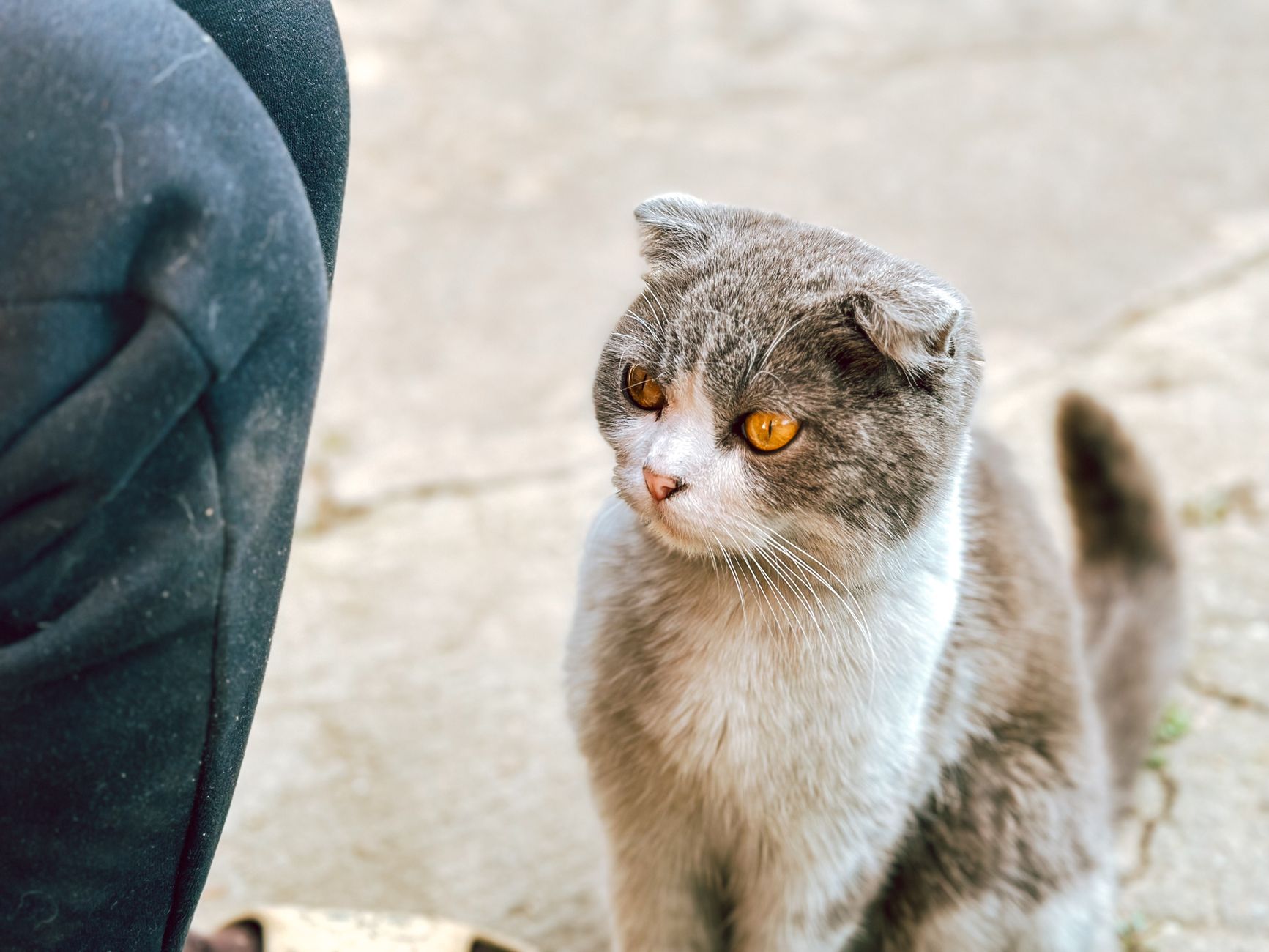
The Scottish Fold's distinctive folded ear results from an autosomal dominant mutation in the TRPV4 gene. The same mutation causes osteochondrodysplasia, a progressive painful skeletal disease, in every cat carrying the gene. The Governing Council of the Cat Fancy (GCCF) has not granted recognition to the Scottish Fold for this welfare reason; it remains recognised by some other registries. UK underwriters approach the breed with breed-specific schedules. The table below summarises the data points UK underwriters weight most heavily.
| Factor | Scottish Fold profile |
|---|---|
| Registry status | Not GCCF recognised on welfare grounds; recognised by some other registries |
| Adult weight | 3 to 6 kg |
| Typical lifespan | 11 to 14 years |
| Indicative monthly lifetime premium (young adult) | £25 to £45 |
| Highest-frequency claim types | Joint and mobility-related conditions, dental disease, urinary tract disease |
| Highest-severity claim types | Osteochondrodysplasia management, HCM, polycystic kidney disease |
Key facts
- Every folded-ear Scottish Fold carries the TRPV4 mutation and therefore some degree of osteochondrodysplasia; expression severity varies, but no folded cat is genetically unaffected.
- The British Veterinary Association and International Cat Care advise against breeding cats with welfare-compromising conformational traits including the Scottish Fold ear-fold gene.
- The ABI reported an average UK pet insurance premium of £389 in 2024 across all species; cat premiums sit materially below the all-pets average, with Scottish Fold loadings typical of higher-risk pedigree schedules.
Health conditions UK insurers see most in Scottish Folds
The Scottish Fold has one of the most distinctive and welfare-concerning health profiles in pedigree cats. The disorder categories most often surfaced by Royal Veterinary College (RVC) VetCompass and breed-specific veterinary literature, and most consistently raised in claims experience reported by ABI member insurers, are osteochondrodysplasia, cardiac disease, renal disease, dental disease, and urinary tract disease.
Osteochondrodysplasia is the dominant breed-specific concern. The TRPV4 mutation that produces the folded ear also produces progressive cartilage and bone abnormalities throughout the body. Clinical signs vary from subtle (lameness, reluctance to jump, abnormal gait) to severe (fused joints, painful exostoses, immobility). Diagnosis is by radiography. Management is supportive, including non-steroidal anti-inflammatory medication, monoclonal antibody therapy (frunevetmab) where indicated, physiotherapy, and environmental adaptation. Lifetime management costs run to £60 to £200 a month at retail prices once medication is required.
Hypertrophic cardiomyopathy is reported in the breed and is the most common feline cardiac condition. Screening echocardiography is the standard diagnostic tool.
Polycystic kidney disease has been reported in some Scottish Fold lines, with a DNA test available.
Dental disease is over-represented in cats generally. The RVC VetCompass programme has documented dental disorders as one of the most common findings in UK first-opinion feline practice.
Lower urinary tract disease is reported in the breed and across the cat population.
How much does Scottish Fold insurance cost in the UK?
UK pet insurance premiums vary by postcode, deductibles, vet fee limit, age at policy start, and the type of cover. The Association of British Insurers reported the average UK pet insurance premium at £389 in 2024 across all species; cat premiums sit materially below the all-pets average. Scottish Fold owners typically see lifetime quotes in the £25 to £45 a month range for a young, healthy cat enrolled before its first birthday, with rapid escalation as skeletal disease progresses.
The variables that move a Scottish Fold quote most are: vet fee limit, excess and co-payment, postcode, and age at inception. Several UK insurers carry breed-specific exclusions on osteochondrodysplasia; reading the breed-specific endorsement in the policy schedule is essential.
Pre-existing conditions are a critical pricing input. A young cat enrolled before any skeletal abnormality, lameness, or cardiac murmur is recorded materially changes the economics of later claims.
Welfare advisory
The Scottish Fold's folded ear is caused by an autosomal dominant TRPV4 gene mutation that simultaneously produces osteochondrodysplasia, a progressive painful skeletal disease present in every folded-ear cat. The Governing Council of the Cat Fancy does not recognise the breed for this welfare reason. The British Veterinary Association and International Cat Care recommend against breeding cats with welfare-compromising conformational traits. Prospective owners considering a Scottish Fold are encouraged to read the published veterinary welfare position statements and the GCCF non-recognition rationale before purchase.
What to look for in Scottish Fold insurance
Six features of the policy wording carry most of the value for a Scottish Fold owner.
1. Breed-specific exclusions. Verify that osteochondrodysplasia and any related skeletal condition is not excluded as a "breed-specific" or "predisposed" condition on the policy schedule. Some insurers carry such exclusions specifically for this breed.
2. Lifetime versus annual structure. A lifetime policy is the only structure that pays year after year on chronic skeletal, cardiac, or renal conditions. Time-limited cover is a structural mismatch.
3. Per-condition limit. A £4,000 per-condition annual limit can be inadequate for long-term osteochondrodysplasia management with advanced therapeutics. The £7,000 to £10,000 tier is the practical floor.
4. Specialist referral cover. Orthopaedic, cardiology and internal medicine referrals are reasonably likely; verify referral cover.
5. Complementary therapies. Physiotherapy and hydrotherapy are routinely used for skeletal disease; cover varies widely.
6. Diagnostic imaging. Repeated radiography is part of routine osteochondrodysplasia monitoring; verify there is no sub-limit on diagnostic imaging.
Typical UK claim scenarios for this breed
Scottish Fold claim profiles cluster around three patterns dominated by progressive skeletal disease.
Acute scenario: osteochondrodysplasia flare
A five-year-old Scottish Fold presents with acute lameness and reluctance to jump. Radiography confirms progressive exostoses on the carpus and hock. Veterinary management with non-steroidal anti-inflammatory medication and analgesia, plus follow-up imaging, runs to £500 to £900 per episode.
Chronic scenario: lifetime osteochondrodysplasia management
The same cat continues lifetime management. Monoclonal antibody therapy (frunevetmab, an anti-NGF antibody licensed for feline osteoarthritis) where indicated, plus quarterly veterinary review, costs £100 to £200 a month. Cumulative lifetime claim is substantial.
End-of-life scenario: combined chronic claims
An 11-year-old Scottish Fold with established osteochondrodysplasia also develops HCM and chronic kidney disease, each drawing against its own per-condition limit.
Frequently asked questions about Scottish Fold insurance
Are Scottish Folds insurable in the UK?
Yes. UK insurers will write Scottish Fold policies, although several carry breed-specific exclusions on osteochondrodysplasia or related skeletal conditions. Confirm acceptance and the absence of such exclusions in writing before purchase.
Is osteochondrodysplasia covered by UK pet insurance?
This is the central question for any Scottish Fold owner. Where osteochondrodysplasia is not on the policy's breed-specific exclusion list and the condition was not pre-existing at policy inception, UK lifetime policies generally cover diagnosis and supportive management. A small number of insurers exclude the condition specifically on the breed schedule.
Will the GCCF position affect my cover?
The GCCF's decision not to recognise the breed is a registry and welfare position rather than a regulatory restriction. It does not directly affect insurance availability, but underlies why some insurers apply breed-specific exclusions.
Are Scottish Shorthair cats (straight-eared) at the same risk?
A Scottish Fold cat without the folded ear (sometimes called Scottish Shorthair or Scottish Straight) does not carry the TRPV4 mutation if bred from two non-affected parents, and is not at osteochondrodysplasia risk. Insurance pricing for straight-eared cats from Scottish Fold lines is broadly in line with British Shorthair pricing.
At what age should I insure a Scottish Fold?
The first 12 weeks after the kitten comes home is the standard underwriting window. Insuring early reduces the chance of any skeletal, cardiac, or renal sign being treated as pre-existing.
What vet fee limit should I look at?
A £7,000 to £10,000 lifetime limit is the practical floor for the breed once long-term osteochondrodysplasia management and specialist referral costs are factored in.
Can I get a quote without disclosing breed?
No. UK pet insurers price by species and breed, and material non-disclosure can void cover. Always declare the breed (or "crossbreed" with parentage where known) accurately at point of sale.
Will multi-pet households get a discount?
Several UK insurers offer multi-pet discounts, typically a percentage reduction on the second and subsequent pets on the same policy. The structure varies; some apply the discount only to the smaller premium, others to all pets. Check the policy schedule at the quote stage.
Underwriting and disclosure notes for Scottish Fold owners
UK pet insurers use four principal inputs when pricing a Scottish Fold policy: the declared breed, the cat's age, the postcode, and the disclosed clinical history. Each is checked against the insurer's actuarial schedule at quote and again at first significant claim. Misdescription or non-disclosure on any of these can void cover or trigger an excluded condition.
The clinical history check is the single most consequential underwriting touchpoint. At the first significant claim, most UK insurers request the cat's full clinical history including any veterinary records from a previous practice or rescue. Any condition recorded before the policy started is treated as pre-existing and excluded. Where the cat has been seen by multiple practices over its life, consolidating clinical records with the current practice ahead of any claim materially reduces processing friction.
Indoor versus outdoor status is a less consistent underwriting input than for dogs but matters for some UK insurers. A small number offer indoor-cat discounts; declaring the lifestyle accurately at point of sale is important. A cat declared as indoor that is later allowed outdoors is the household's responsibility to update with the insurer.
Postcode loading reflects local veterinary fee variation, particularly in Greater London and the South East where the Competition and Markets Authority's 2024 Veterinary Services Market Investigation noted higher first-opinion practice fees.
Age at inception remains the largest individual lever on a lifetime cover quote. Insuring a Scottish Fold in the first 12 weeks after the kitten comes home is the standard underwriting window and produces the broadest cover available.
Related guides
Sources
- Royal Veterinary College VetCompass programme, feline disorder studies. rvc.ac.uk/vetcompass
- Governing Council of the Cat Fancy, position on Scottish Fold non-recognition. gccfcats.org
- International Cat Care, breed-related health and welfare position statements. icatcare.org
- British Veterinary Association, position on extreme conformation in companion animals. bva.co.uk
- Association of British Insurers, UK pet insurance market 2024. abi.org.uk
- Competition and Markets Authority, Veterinary Services Market Investigation (2024). gov.uk/cma