TL;DR
Independent editorial guide. No commission. Sources: FCA, HMRC, Consumer Credit Act 1974. |
| Asset Finance ExplainedNo commission | Primary-source editorial | Updated June 2026 |
What is asset finance?
Asset finance is a category of business lending where a loan or lease is secured against a physical business asset. Instead of paying for equipment, machinery or vehicles in full from cash or an overdraft, the business finances the purchase and pays for it over an agreed period, typically 24 to 72 months, while using the asset in the business from the start.
The physical asset acts as collateral for the lender. If the business defaults, the lender can recover the asset and sell it to recover the outstanding balance. Because the asset provides security, asset finance is generally easier to obtain than unsecured business lending and is available to a wider range of businesses, including those that might not qualify for a standard bank loan.
Asset finance is one of the most widely used forms of business finance in the UK. UK Finance statistics show that asset finance new business exceeds £30 billion per year, spanning plant and machinery, commercial vehicles, IT equipment and agricultural machinery across businesses of all sizes.
How does asset finance work?
The basic mechanics of asset finance are straightforward. The business identifies an asset it needs. The lender either purchases the asset directly from the supplier and makes it available to the business, or lends against an asset the business is purchasing. The business uses the asset and makes regular payments to the lender over the agreed term. At the end of the term, what happens next depends on the product type.
Under hire purchase, legal ownership of the asset transfers to the business once all payments including a nominal option-to-purchase fee have been made. Under finance lease, the lender retains legal ownership throughout; the business can continue using the asset on a secondary lease or arrange its sale. Under operating lease, the business returns the asset to the lender at the end of the primary term and the lender takes the residual value risk.
The monthly payment is calculated based on the asset cost, the deposit or initial payment made, the finance rate, and the term length. Lenders quote rates as either a flat rate on the original balance or an annual percentage rate (APR). The APR is the legally required disclosure for regulated agreements and is the most useful basis for comparing the true cost of credit across different lenders and products.
Types of asset finance
Hire purchase
Hire purchase is the most common form of asset finance for hard assets such as plant, machinery and vehicles. The business pays fixed monthly instalments over the agreed term and becomes the legal owner of the asset at the end once all payments including the option-to-purchase fee are made. Capital allowances can be claimed from day one because the business is treated as the owner for tax purposes from when the asset enters use.
Finance lease
Under a finance lease, the lender keeps legal ownership of the asset throughout. The business leases the asset for a primary term and pays fixed rentals. At the end of the primary term, the business can continue on a secondary lease at a nominal rental, or arrange the sale of the asset. Finance lease rentals are fully deductible as a business expense. Capital allowances are not available to the lessee.
Operating lease
An operating lease is a shorter-term arrangement where the lender retains both ownership and residual value risk. The business pays rentals for the use of the asset and returns it at the end of the term. Because the lender takes the risk on the asset's value at the end, operating lease rentals are typically lower than finance lease rentals for the same asset and term. Operating lease is common for company cars, vans and technology equipment.
Refinance and sale and leaseback
Refinance allows businesses to borrow against assets they already own, releasing working capital tied up in the asset. Sale and leaseback is a specific form where the business sells an asset to a lender at market value and leases it back, receiving the full market value as cash while retaining operational use of the asset.
Who can get asset finance?
Asset finance is available to a wide range of UK businesses. Bank lenders including Shawbrook Bank, Aldermore Bank and Close Brothers Asset Finance typically require a minimum of two years trading history, filed company accounts and a director personal guarantee. Minimum loan thresholds vary: Shawbrook starts at £25,000, Aldermore and Close Brothers at £5,000 to £10,000.
Specialist non-bank lenders including Portman Asset Finance and Time Finance are more flexible and can consider businesses with shorter trading histories or non-standard credit profiles, particularly for hard assets where the collateral value is strong. Alternative lenders including Nucleus Commercial Finance and Fleximize have the lowest eligibility barriers, accepting businesses from 6 months trading and considering adverse credit on a case-by-case basis.
The business does not need to be a limited company to access asset finance. Sole traders and partnerships can apply, though some products and lenders are restricted to limited companies. The asset must be for business use; personal use assets are not eligible under business asset finance.
What assets can be financed?
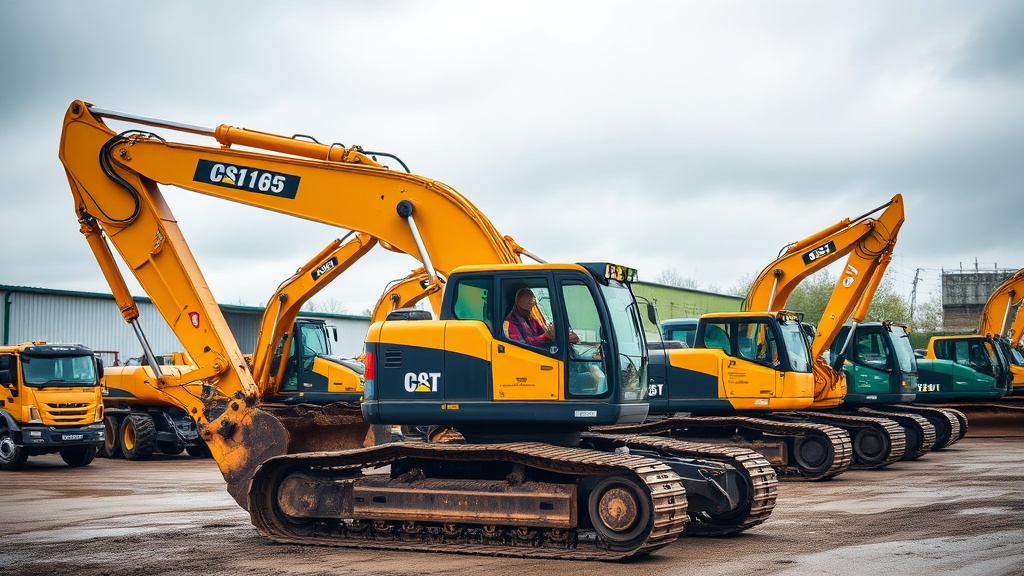
Hard assets are the most straightforward for lenders to accept because they have established secondary markets and predictable values. These include plant and machinery, construction equipment, agricultural machinery, commercial vehicles, HGVs, forklifts, manufacturing equipment and print machinery.
Soft assets including IT hardware, technology, office equipment, catering equipment and medical equipment are accepted by a wider range of lenders than many businesses expect. Aldermore Bank, Novuna Business Finance and Nucleus Commercial Finance all accept soft assets alongside hard assets.
Pure intangible assets such as software licences, intellectual property or goodwill are not eligible for asset finance. The asset must be physically identifiable, traceable and must have some recoverable value for the lender to use as collateral.
FCA regulation of asset finance
Asset finance in the UK is regulated by the Financial Conduct Authority. Hire purchase and conditional sale agreements with individuals or small partnerships under £25,000 are regulated credit agreements under the Consumer Credit Act 1974. Business-to-business asset finance above £25,000 is not a regulated credit agreement under the Act, but all lenders and brokers must hold FCA authorisation for credit broking activity.
The FCA's Consumer Duty, in force since July 2023, requires lenders to deliver good outcomes for retail customers. Any business considering asset finance should verify that the lender or broker holds current FCA authorisation before proceeding, which can be confirmed at register.fca.org.uk using the firm name or FRN number.
For a full guide to asset finance lenders, products and how to compare independently, see: Asset Finance UK: The Independent Guide.
Frequently asked questions
What is the difference between asset finance and a business loan?
A business loan is typically unsecured or secured against property or a personal guarantee. Asset finance is specifically secured against the physical asset being purchased or refinanced. Because the asset provides collateral, asset finance is often available at lower rates than unsecured lending and to a wider range of businesses. Asset finance is product-specific to the asset being funded; a business loan provides general working capital that can be used for any purpose.
Is asset finance the same as leasing?
Asset finance is a broad term that includes leasing products. Finance lease and operating lease are both forms of asset finance. Hire purchase is also asset finance but is technically a credit agreement rather than a lease, because ownership transfers at the end. The term leasing is often used loosely to describe any asset finance product where the business does not immediately own the asset.
Can I get asset finance for a second-hand asset?
Yes. Most UK asset finance lenders will consider used and second-hand assets. The lender assesses the age, condition and secondary market value of the asset. Specialist lenders including Portman Asset Finance and Close Brothers Asset Finance have particular expertise in financing used plant and machinery. Very old or heavily depreciated assets may attract lower loan-to-value ratios or be ineligible.
How quickly can I get asset finance?
Decision timescales vary by lender and facility size. Specialist lenders including Portman Asset Finance and Time Finance can issue same-day credit decisions for applications under GBP100,000 with complete documentation. Bank lenders including Shawbrook and Aldermore typically take 24 to 48 hours. Close Brothers takes 24 to 72 hours for sector-specialist assessments. Larger or more complex facilities take longer regardless of lender.
Does asset finance affect my credit score?
Yes. Most asset finance applications involve a hard credit search, which is recorded on the business credit file and potentially on the director's personal credit file if a personal guarantee is required. Multiple hard searches in a short period can affect credit scores. Businesses should consolidate applications with a single lender or broker rather than applying to multiple lenders simultaneously.
This guide is produced by Kael Tripton Ltd as independent editorial content. No commission is earned from any lender. Kael Tripton Ltd is not FCA-authorised and does not provide financial advice. Contact an FCA-authorised asset finance broker for personalised advice. |
Sources |