
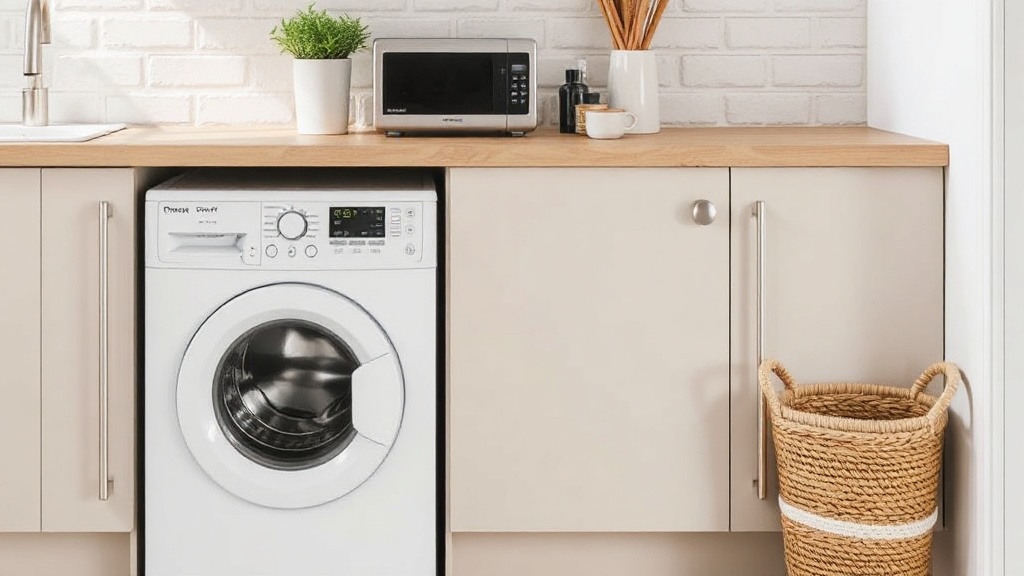
TL;DR: Once the standard one-year Hotpoint manufacturer warranty lapses, repair bills for common faults such as drum bearings, control boards, or drain pumps can run to several hundred pounds. Extended cover - either through Hotpoint Care+ or an independent appliance-insurance policy - can cap that exposure, but the right choice depends on the machine's age, the policy excess, and how many appliances are in the household.
★ Featured Partner · Sponsored
Compare Insurance Quotes
Search and compare quotes from leading UK insurers. Quotezone's panel includes specialist insurers not always on the four major comparison sites.
Compare Quotes →Hotpoint as a Brand and What the Manufacturer Warranty Covers
Hotpoint is one of the longest-established appliance brands in the United Kingdom, sold through major retailers including Currys and AO.com as well as direct from the Hotpoint website. The brand is now part of the Whirlpool Corporation group and manufactures washing machines across a price range from roughly £300 for a basic 7 kg model to over £700 for a 10 kg heat-pump assisted machine with advanced spin ratings.
All new Hotpoint washing machines sold to UK consumers come with a standard 12-month manufacturer warranty. That warranty covers defects in materials and workmanship - meaning if a component fails without any cause attributable to misuse, Hotpoint will repair or replace it at no charge. The warranty does not cover cosmetic damage, consequential losses, faults arising from incorrect installation, or normal wear items such as door seals that have deteriorated through heavy use rather than a manufacturing defect.
Twelve months is the minimum period most manufacturers offer, and it aligns with the statutory guarantee obligations under UK consumer law. However, washing machines are expected to last considerably longer than a year. The average lifespan of a mid-range domestic washing machine in the UK is commonly cited at 10 to 14 years, meaning the machine spends the vast majority of its working life outside manufacturer warranty. This gap is the central reason appliance insurance products exist.
Hotpoint Care+ Extended Plans
Hotpoint offers its own branded extended cover product, typically called Hotpoint Care+. These plans are available at the point of sale or can be purchased online up to a defined number of years into the product's life. Care+ plans are administered through the Hotpoint service network and promise to use genuine Hotpoint parts when repairs are carried out.
The key characteristics of Care+ type plans include: cover for electrical and mechanical breakdown only (not accidental damage unless separately specified); a fixed annual or monthly premium; unlimited repair callouts subject to a single-visit labour limit; and a replacement guarantee if the machine is deemed beyond economical repair after a defined number of callout attempts within a 12-month period. The replacement guarantee is typically worded as a credit note or a replacement appliance of equivalent specification rather than a cash settlement.
Potential drawbacks are worth noting. Hotpoint Care+ is a single-appliance plan, so a household with multiple white goods will pay a separate premium for each product. Premiums for a washing machine plan typically fall in the range of £8 to £14 per month depending on the machine's value and age, and the plan may not be available once the machine passes a certain age threshold - often five or six years from the date of manufacture.
Consumers considering a Care+ plan should request the full terms and conditions before committing, check whether there is an excess per callout, and confirm the definition of "beyond economical repair" -- some policies set this at 50% of the machine's current market value, which for an older machine may mean a borderline decision is resolved in favour of replacement rather than repair.
Third-Party Appliance Insurance Options
A significant market of independent appliance insurance providers operates alongside manufacturer-branded plans in the UK. Providers such as Domestic and General, HomeServe, AXA, and a range of smaller specialist insurers offer standalone policies and multi-appliance cover. Premiums for single-appliance cover on a washing machine typically run from £5 to £15 per month, depending on the machine's age, the insurer, the chosen excess, and whether accidental damage is included.
Third-party policies use their own approved engineer networks rather than Hotpoint-authorised engineers, which means parts may not always be genuine Hotpoint components. For most mechanical repairs this is unlikely to matter, but for electronically complex control boards or proprietary drum assemblies it is worth clarifying the insurer's policy on parts sourcing.
Multi-appliance policies are available from several providers and allow a household to insure a washing machine alongside a tumble dryer, dishwasher, fridge freezer, and other white goods under a single premium. Depending on how many appliances are covered, this can be more economical than insuring each product individually. A typical multi-appliance policy covering four to five white goods can cost between £20 and £40 per month, against a combined cost of perhaps £25 to £60 for equivalent standalone policies.
Common Hotpoint Washing Machine Faults and Repair Costs
Understanding repair costs is essential for evaluating whether insurance represents good value. The table below sets out the most commonly encountered Hotpoint washing machine faults, a description of what causes them, and the approximate cost of a repair from an independent engineer in the UK as of 2025. Prices include parts and labour but exclude call-out charges, which typically add £50 to £80 to the total.
| Fault | Typical Cause | Approximate Repair Cost (parts + labour) |
|---|---|---|
| Door seal (boot seal) failure | Rubber perishes, tears, or develops mould through age and repeated thermal cycling | £70 to £140 |
| Drain pump blockage or failure | Lint, coins, or debris block the pump impeller; pump motor burns out | £80 to £160 |
| Drum bearings worn | Bearings wear through vibration over years of use; causes loud rumbling on spin | £140 to £260 |
| Carbon brushes worn | Motor brushes wear down; machine fails to spin or spins weakly | £80 to £150 |
| PCB / control board fault | Electronic control board fails due to power surges, moisture, or component age | £150 to £320 |
| Heating element failure | Element burns out; machine runs cold wash cycles only | £80 to £160 |
| Pressure switch or water level sensor | Sensor fails; machine overfills, underfills, or does not start programme | £70 to £130 |
These figures illustrate that a single drum-bearings or control-board repair can cost more than two years' worth of a mid-priced insurance premium. For a household that relies heavily on its washing machine, the financial case for insurance tends to strengthen as the machine ages past year three or four, when statistically the probability of a mechanical fault begins to rise.
When to Take Out Cover: The Months 11 to 12 Window
The optimal moment to arrange appliance insurance for a Hotpoint washing machine is generally during months 11 and 12 of the original manufacturer warranty. At this point, the machine has been proven in service, minor early-life defects would have been identified and resolved under warranty, and the consumer is about to move into the unprotected period.
Taking out cover before the warranty expires avoids a gap in protection and typically means the policy is issued without any exclusion for pre-existing faults - because the machine has just been validated by a full year of manufacturer cover. If cover is arranged after the warranty has lapsed, most insurers impose a short exclusion period of 14 to 30 days from inception during which no claim can be made. Some insurers also require a service inspection before insuring a machine that is already several years old, adding a one-off cost.
Retailers frequently push extended warranty products at the point of sale, before the manufacturer warranty has expired. While this is not harmful, it does mean paying a premium for a period when the manufacturer would repair the machine at no cost regardless. Waiting until months 11 or 12 ensures every premium pound is working to cover a period of actual exposure.
Key Variables to Compare When Choosing a Policy
Not all appliance insurance policies are structured the same way. The following variables have a material effect on the value of a policy and should be checked before committing.
Age limits: Many policies will not cover a machine that is more than eight or ten years old at the time of application. Some insurers set the limit lower, at five or six years. For an older machine, the pool of available insurers narrows, and premiums tend to rise. Checking the insurer's age limit relative to the machine's age is a fundamental first step.
Excess per claim: An excess is the amount the policyholder pays toward each repair before the insurer covers the remainder. Excess amounts on appliance insurance typically range from nil to £100. A policy with a higher excess will generally carry a lower monthly premium, but a zero-excess policy may be more cost-effective for a machine likely to need multiple repairs per year.
Callout or repair cap: Some policies limit the total value of repairs within a 12-month period, for example to £500 or the original purchase price of the machine. A policy with a low repair cap may leave the consumer exposed if a major component such as a control board and drum assembly both fail in the same period.
Replacement terms: Where a machine is deemed beyond economical repair, the terms governing the replacement settlement vary significantly. Some policies provide a cash payment equal to the current market value of the machine. Others offer a like-for-like replacement managed by the insurer, which may mean a refurbished rather than new appliance. A voucher or credit note against a specific retailer limits the consumer's ability to shop around.
Accidental damage: Standard breakdown cover does not include accidental damage such as a cracked drum caused by a foreign object left in clothing. Some policies offer this as an optional add-on at an additional premium.
Parts sourcing: As noted above, manufacturer-branded plans guarantee genuine parts. Independent insurers may use compatible non-genuine parts. For most practical repairs the distinction is minor, but it is a meaningful consideration for machines under a manufacturer extended warranty or where the use of non-genuine parts might affect any residual warranty.
Statutory Rights Under the Consumer Rights Act 2015
Before purchasing any insurance product, UK consumers should be aware of the statutory rights that apply independently of any warranty or insurance. The Consumer Rights Act 2015 (legislation.gov.uk) requires that goods sold to consumers must be of satisfactory quality, fit for purpose, and as described. For a washing machine, satisfactory quality incorporates durability: a machine that develops a significant fault within six years of purchase may give rise to a statutory claim against the retailer - not the manufacturer - depending on the nature of the fault and the machine's age.
Within the first six months from purchase, the burden of proof is reversed: the retailer must demonstrate that the fault was not present at the point of sale. After six months, the consumer must show that the fault results from something inherent in the machine rather than misuse, which typically requires an independent engineer's report. Citizens Advice provides guidance on how to pursue a Consumer Rights Act claim against a retailer.
The Financial Conduct Authority (FCA) regulates insurance products sold in the UK. Appliance insurance policies regulated by the FCA must be sold fairly, provide key information in a standardised Insurance Product Information Document (IPID), and cannot exclude pre-existing conditions that were not disclosed at inception. Where a policyholder believes a claim has been unfairly refused, the Financial Ombudsman Service (FOS) provides a free dispute resolution service.
Statutory rights are not a substitute for insurance - they require the consumer to take action against a retailer, potentially through the courts, and they do not cover wear-and-tear faults that arise over normal use. However, they are an important backstop and may make insurance unnecessary for a relatively new machine that develops an early fault.
Multi-Appliance Cover as a Strategic Alternative
For households running several appliances simultaneously - a washing machine, a tumble dryer, a dishwasher, and a fridge freezer, for example - single-appliance insurance quickly becomes expensive to administer as well as to pay for. Multi-appliance policies from providers such as Domestic and General or HomeServe aggregate cover for all household white goods under one agreement and one monthly direct debit.
The financial case for multi-appliance cover depends on how many appliances are included and their ages. A household with three appliances all aged four to eight years, where the probability of at least one fault in a given year is reasonably high, may find a multi-appliance policy more cost-effective than individual policies. The key is to compare the per-appliance implicit cost within the bundle against the standalone premium for each machine and assess whether the terms - excess, age limits, replacement provisions - are equivalent or better.
Multi-appliance policies also simplify claims management: rather than dealing with three separate insurers and three separate claim processes, the household manages a single relationship. This has practical value when a fault arises and time is short.
Practical Steps Before Buying
Consumers approaching the end of their Hotpoint warranty and considering whether to arrange cover should take the following practical steps before signing up to any policy.
First, locate the machine's model number and manufacture date. These are typically on a label inside the door rim. The model number is needed to confirm eligibility under most insurer's age and specification rules, and the manufacture date establishes the machine's age for premium calculation purposes.
Second, obtain at least two to three premium quotes from different providers before committing. The ABI (Association of British Insurers) and Citizens Advice both provide guidance on what to look for in home appliance insurance and how to compare products fairly. The FCA's financial promotions rules require that all policy documentation is clear, fair, and not misleading, so any policy with unexplained exclusions or ambiguous replacement terms should be questioned before purchase.
Third, read the Insurance Product Information Document (IPID) in full rather than relying on a summary at the point of sale. The IPID is a standardised two-page document that all regulated insurance products must provide; it sets out the key inclusions, exclusions, sum insured, excess, and claims process in a format designed for comparison across providers.
Fourth, consider whether the household has a home emergency or home contents insurance policy that already includes appliance breakdown cover. Some contents insurance policies from mainstream insurers include limited appliance cover or offer it as an add-on. Duplicating cover is unnecessary expenditure; checking the existing policy schedule before buying a standalone appliance policy can save money.
Finally, note any cooling-off rights. FCA-regulated insurance contracts entered into by consumers include a statutory 14-day cooling-off period during which the policy can be cancelled for a full refund (minus any days of cover already used). This provides a short window to reconsider after committing.
Important: This article is general information about UK home appliance and home cover and does not constitute financial, insurance or legal advice. Policy terms, prices and statutory entitlements change over time and vary between providers. Always read the full policy documents and the relevant guidance from a qualified adviser or the named primary sources before making a decision.
Frequently asked questions
Does Hotpoint offer its own extended warranty for washing machines?
Hotpoint offers extended cover products branded as Hotpoint Care+ that can be purchased at the point of sale or within the first few years of the machine's life. These plans are administered through Hotpoint's service network and use genuine parts. Availability and pricing depend on the machine's age and model, and plans are typically single-appliance products rather than multi-appliance bundles.
How much does appliance insurance for a Hotpoint washing machine typically cost per month?
Monthly premiums for a standalone washing machine insurance policy in the UK generally range from approximately £5 to £15 per month, depending on the machine's age, the insurer, the level of excess, and whether accidental damage cover is included. Older machines attract higher premiums, and machines beyond a certain age threshold - often eight to ten years - may not be insurable under some policies.
What rights do consumers have if a Hotpoint washing machine develops a fault after the warranty expires?
The Consumer Rights Act 2015 requires that goods are of satisfactory quality, which includes durability appropriate for the type of product. A significant fault arising within six years of purchase may give rise to a statutory claim against the retailer, not the manufacturer. Within the first six months, the burden of proof sits with the retailer. After six months, the consumer typically needs an independent engineer's report to support the claim. Citizens Advice provides guidance on how to pursue these claims.
Is it better to insure a single washing machine or take out a multi-appliance policy?
The answer depends on how many other appliances the household uses and their ages. A single washing machine policy is straightforward and allows precise control over the cover level for that appliance. A multi-appliance policy can be more economical when three or more white goods are insured together, and it simplifies administration. Comparing the implicit per-appliance cost within a bundle against standalone premiums - ensuring the terms such as excess and replacement provisions are equivalent - is the most reliable way to assess which approach offers better value.
When is the best time to arrange insurance for a Hotpoint washing machine?
The period between months 11 and 12 of the original manufacturer warranty is generally the most advantageous time to arrange cover. The machine has been proven in use, the manufacturer warranty is about to expire, and taking out a policy at this point typically avoids any exclusion period for pre-existing faults. Purchasing at the point of sale is not harmful but means paying a premium for a period the manufacturer warranty would cover regardless.


