
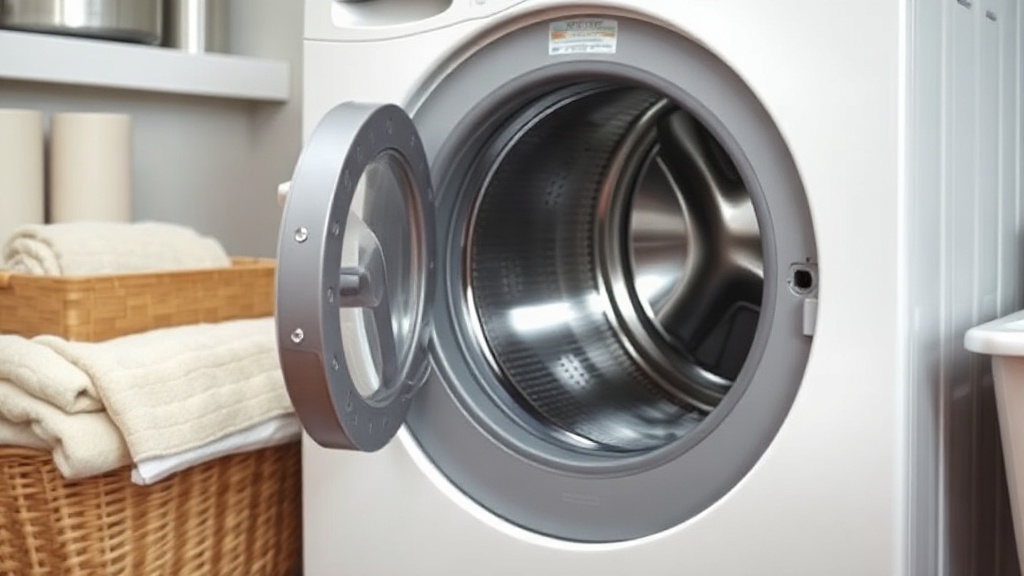
TL;DR: Tumble dryer cover is a type of home appliance insurance that pays for repair or replacement when your dryer breaks down outside the manufacturer warranty. Standalone policies typically cost between £5 and £12 per month. Whether that expense makes financial sense depends largely on your dryer type, its age and the cost of the most common faults - heating elements, thermostats, motors and control boards - which can run from £60 to over £300 including labour.
★ Featured Partner · Sponsored
Compare Insurance Quotes
Search and compare quotes from leading UK insurers. Quotezone's panel includes specialist insurers not always on the four major comparison sites.
Compare Quotes →What Is Tumble Dryer Cover?
Tumble dryer cover is a form of domestic appliance insurance that reimburses the cost of repairing or replacing a tumble dryer when it develops a mechanical or electrical fault. Unlike your household contents insurance, which focuses on accidental damage and theft, appliance cover is designed specifically for internal breakdowns - the kind that happen through normal wear rather than sudden mishap.
Policies are sold by specialist appliance insurers, white goods retailers, energy suppliers and some broadband providers. Cover can be purchased as a standalone single-appliance policy or bundled into a multi-appliance plan alongside a washing machine, dishwasher, fridge-freezer and other white goods. The Financial Conduct Authority regulates firms selling insurance in the UK, and any provider must be authorised or appointed by an authorised firm before offering cover to consumers.
It is worth distinguishing appliance insurance from extended warranties, which are often sold at the point of purchase by retailers. An extended warranty is a contractual arrangement rather than a regulated insurance policy, meaning it does not carry the same statutory protections that come with a product sold under the Financial Services and Markets Act 2000. The Consumer Rights Act 2015 gives separate statutory rights against retailers and manufacturers for goods that are not of satisfactory quality, but these rights diminish over time and do not cover gradual component wear.
What Tumble Dryer Cover Typically Includes
Cover tiers vary considerably between providers, but most policies share a common core. At the entry level, a basic repair-only policy will cover the cost of labour and parts for mechanical and electrical faults, subject to a call-out fee ranging from zero to around £85. A mid-tier policy usually removes or reduces the call-out fee and may add a replacement benefit if the appliance cannot be economically repaired. Premium policies often include a replacement guarantee within a defined timeframe - commonly 14 to 28 days - and may cover appliances of any age rather than imposing an upper age limit.
Across all tiers the following items are almost universally covered: heating elements, thermostats, motors, drive belts, door seals, control boards (PCBs), sensors and drum bearings. Some policies extend to consumable parts that degrade through normal use, such as capacitors and relays, although this varies between providers and should be confirmed before purchasing.
Multi-appliance plans bundle several household machines under one monthly premium. These policies cost more in absolute terms - typically £20 to £50 per month - but the per-appliance cost is usually lower than buying individual policies for each machine. They are particularly practical for households running several ageing appliances simultaneously, where the probability of at least one claim in a 12-month period is statistically high.
Common Exclusions to Be Aware Of
Exclusions matter as much as inclusions when evaluating any insurance product. Tumble dryer policies routinely exclude the following categories of claim.
Maintenance-related faults. Most policies require the owner to carry out routine maintenance, most notably cleaning the lint filter after every cycle. A blocked lint filter restricts airflow, causes overheating and can trigger thermal cut-outs or damage the heating element. Insurers frequently cite poor maintenance as grounds to decline a repair claim if internal inspection reveals significant lint accumulation in the drum, duct or heat exchanger.
Age limits. Entry-level and mid-tier policies often refuse cover for appliances older than eight to ten years. Some providers extend this to 12 years for heat-pump dryers given their higher purchase price, but age restrictions are standard rather than exceptional. The policy schedule will state the maximum appliance age permitted at the point of inception.
Cosmetic damage. Scratches, dents, broken door handles and worn programme dials are almost universally excluded. Cover is for functional breakdown, not aesthetic deterioration.
Accidental damage. Unless the policy explicitly includes accidental damage as an add-on, damage caused by the owner - dropping the machine, inserting foreign objects or connecting to an incorrect power supply - will not be covered. Some contents insurance policies do cover accidental damage to white goods, so checking an existing household policy before buying appliance cover separately is sensible.
Consequential loss. If a broken dryer causes water damage to a floor or mould growth from damp laundry, the cost of that consequential loss is not covered under appliance insurance. A separate home buildings or contents policy would be the appropriate route for such claims.
Pre-existing faults. Any fault that predates the policy inception is excluded. Most providers include a qualifying period of 14 to 30 days before the first claim can be made, preventing consumers from taking out cover only after a fault develops.
Common Faults and Typical Repair Costs
Understanding the cost profile of tumble dryer repairs is the most direct way to evaluate whether insurance premiums represent good value. The table below sets out the most frequently occurring faults across all dryer types, together with typical repair cost ranges including parts and labour as reported by independent repair traders and consumer research bodies. Costs reflect the UK market as at mid-2026 and will vary by region and engineer.
| Fault | Typical Cost (Parts + Labour) | Dryer Types Affected | Notes |
|---|---|---|---|
| Heating element failure | £100 to £180 | Vented, condenser | One of the most common repairs; element burns out after sustained high-temperature cycles |
| Thermostat fault | £80 to £150 | Vented, condenser, heat-pump | Includes thermal cut-out reset or full thermostat replacement; often triggered by lint build-up |
| Motor failure | £120 to £250 | All types | Labour-intensive; drum motor or fan motor; cost rises significantly on premium heat-pump models |
| Drive belt replacement | £60 to £120 | All types | Lower parts cost but requires drum disassembly; straightforward repair for experienced engineers |
| PCB (control board) fault | £120 to £280 | All types | Increasingly common on digitally controlled machines; board replacement usually more practical than repair |
| Condenser blockage or failure | £80 to £160 | Condenser | A blocked self-cleaning condenser is partly a maintenance issue; a failed condenser unit is a mechanical fault |
| Heat-pump compressor or refrigerant fault | £150 to £350 | Heat-pump | Requires specialist F-Gas registered engineer; most expensive common repair category |
Even the cheapest repair on this list - a drive belt at £60 - exceeds five months of a typical standalone premium at £10 per month. A PCB replacement at the upper end of its range (£280) represents over two years of premiums. This arithmetic does not automatically justify the cost of cover, because most machines do not fail every year, but it illustrates the scale of individual repair events relative to ongoing premium expenditure.
How Dryer Type Affects Cover Considerations
The three main categories of tumble dryer - vented, condenser and heat-pump - differ in their mechanics, running costs and failure profiles. Those differences have a direct bearing on how appliance cover works in practice.
Vented dryers are the simplest mechanically. Hot air is generated by a resistive heating element and exhausted through a hose to the outside. The absence of a water reservoir or refrigerant circuit means fewer components that can fail. Repair costs at the lower end of the ranges above are more common on vented machines. They are also the cheapest to replace, with a basic model available from around £200, which reduces the economic case for premium-tier cover on older machines.
Condenser dryers recycle warm air through a heat exchanger, collecting moisture in a removable reservoir rather than requiring a vent hose. The condenser unit itself is an additional failure point not present in vented dryers. Self-cleaning condensers, standard on many mid-range models, reduce maintenance burden but can still block if filter cleaning is neglected. Replacement costs are moderately higher than vented equivalents, generally £300 to £600, and the additional components increase the range of potentially covered faults.
Heat-pump dryers use a refrigerant loop to recirculate and reheat air at much lower temperatures than resistive heating elements. They use roughly half the electricity of a condenser dryer over the same cycle and typically cost £400 to over £1,000 to purchase. The refrigerant circuit introduces fault modes - compressor failure, refrigerant leaks, heat-exchanger fouling - that require an F-Gas registered engineer to repair. Labour costs are higher and parts availability can be limited for less common brands. Repair bills at the upper end of the heat-pump range are therefore more likely than with other dryer types, which strengthens the financial case for cover on a newer, more valuable heat-pump machine.
From a cover perspective, this means the type of dryer should influence the tier of policy considered. A basic vented dryer worth £250 may need only a repair-only policy, if any cover at all. A heat-pump dryer costing £700 with specialist repair requirements is a stronger candidate for a mid-tier or premium policy, particularly if it is within its most fault-prone period of two to five years of use.
How Much Does Tumble Dryer Cover Cost?
Standalone single-appliance policies for a tumble dryer typically fall in the range of £5 to £12 per month, equivalent to £60 to £144 per year. Premiums at the lower end of this range usually carry a call-out fee of £50 to £85 per repair visit and may impose age restrictions of eight years or less. Policies at the upper end more commonly offer zero call-out fees, unlimited call-outs in a policy year and replacement guarantees.
Multi-appliance policies covering between three and six machines cost £20 to £50 per month (£240 to £600 per year). These are offered by providers including Domestic and General, HomeServe, Warrantywise and several energy suppliers. The pricing logic is that bundling several appliances under one policy reduces the per-machine cost while spreading risk across a larger pool of covered items.
Annual payment discounts of 10 to 15 per cent are commonly available, reducing the effective monthly cost. Some providers charge a higher first-year premium for appliances that are already more than five years old. Renewal premiums tend to increase annually; consumers who do not compare providers at renewal may pay significantly more than the market rate by year three or four.
It is important to note that the cost of cover is not the only expenditure to consider. Call-out fees, which can apply per visit on lower-tier policies, add to the effective cost of each claim. A policy charging £5 per month with an £85 call-out fee costs £145 in a claim year - more than twice the annual premium. Reading the policy schedule carefully before purchase avoids this kind of mispricing in a consumer's own assessment.
Is Tumble Dryer Cover Worth It? A Value Framework by Appliance Age
There is no universal answer to whether appliance cover is worth the premium - the calculation depends on the specific machine, its purchase price, its age and the individual household's financial resilience.
A straightforward framework is to compare the expected annual repair cost against the annual premium cost, taking account of the call-out structure and any policy excess.
New machines (0 to 2 years). Most new tumble dryers carry a manufacturer warranty of one to two years. Some manufacturers, particularly of premium heat-pump models, offer two to three years as standard. During this period, the manufacturer is responsible for repair at no cost to the consumer, assuming the fault is not caused by misuse. Taking out third-party appliance cover during the active warranty period duplicates existing protection and is rarely cost-effective unless the policy covers accidental damage that the warranty does not.
Mid-life machines (3 to 7 years). This is the period during which mechanical faults most commonly emerge. Motors, belts and control boards are statistically more likely to fail between years three and seven than in either the early life or late life of the machine. A machine that cost £400 to £600 to purchase still has substantial residual value and replacement would represent a significant unplanned expense. This cohort represents the strongest candidate group for appliance cover, particularly at mid-tier or above.
Older machines (8 years and above). Many policies exclude appliances over eight years old at inception, and those that do accept them often charge higher premiums or carry exclusions. The replacement cost of an older vented or condenser dryer may be low enough that self-insuring - setting aside the premium equivalent in a savings account - is more efficient than buying cover. For an older heat-pump dryer with high replacement cost and specialist repair requirements, the case for cover remains stronger.
Household emergency funds also factor in. A consumer with accessible savings of £300 or more is in a position to absorb the cost of most common repairs without financial hardship. Appliance insurance provides the most value to households where an unexpected bill of £150 to £300 would cause genuine financial difficulty. Citizens Advice publishes guidance on managing unexpected household costs and the options available to consumers facing unplanned repair expenditure.
It is also worth factoring in the repair-or-replace decision. When a repair quote approaches 50 per cent or more of the cost of a new equivalent appliance, most engineers and consumer bodies suggest replacement is the more economical choice. A good appliance policy will include a replacement provision for economically unrepairable machines, which protects the consumer from paying for an insurer-directed repair assessment that concludes with a recommendation to replace rather than fix.
How to Choose a Policy
When comparing tumble dryer cover, the following features are the most material to examine before purchasing.
The age limit at inception should be confirmed against the actual age of the appliance. A policy that advertises acceptance of appliances up to ten years old but charges significantly higher premiums above six years should be compared against alternative providers on the full-cost basis.
The call-out fee structure determines the real cost of each repair. Zero call-out fees are preferable but typically appear only at higher premium tiers. Calculating the break-even number of annual claims on a policy with a call-out fee helps clarify whether the premium step-up to a fee-free policy is justified.
The replacement provision states under what conditions a beyond-economic-repair machine will be replaced, whether a cash settlement or a new appliance is provided and what model specification applies. Some policies replace like-for-like; others settle at a depreciated value that may not fully cover a replacement purchase.
The number of call-outs per year is sometimes capped at two or three on lower-tier policies. Households with older appliances should prefer a policy with unlimited annual call-outs.
The provider's authorisation status should be confirmed via the FCA Register at register.fca.org.uk before purchase. Only authorised or appointed firms may legally sell regulated insurance products in the UK. Purchasing from an unauthorised firm removes access to the Financial Ombudsman Service and the Financial Services Compensation Scheme in the event of a dispute or firm failure.
Making a Claim
The claims process for tumble dryer cover is broadly standardised. The policyholder contacts the insurer or their claims line, describes the fault and confirms the appliance details. The insurer typically arranges an approved engineer visit within a defined window - commonly two to five working days - or directs the consumer to book through an approved repairer network.
The engineer assesses the fault, orders parts if required and completes the repair, usually on a return visit once parts arrive. The insurer settles directly with the engineer in most cases, so no upfront payment is required from the policyholder beyond any applicable call-out fee.
Where a repair is deemed uneconomical, the insurer will confirm this in writing and initiate the replacement process as defined in the policy. Policyholders who disagree with an insurer's decision have the right to complain through the provider's internal complaints process and, if unresolved within eight weeks, to refer the matter to the Financial Ombudsman Service free of charge. The FCA's handbook sets out the complaint-handling rules that all authorised firms must follow.
Important: This article is general information about UK home appliance and home cover and does not constitute financial, insurance or legal advice. Policy terms, prices and statutory entitlements change over time and vary between providers. Always read the full policy documents and the relevant guidance from a qualified adviser or the named primary sources before making a decision.
Frequently asked questions
Does tumble dryer cover include heat-pump models?
Most appliance insurance policies cover heat-pump dryers, but some providers charge a higher premium for them or impose stricter age limits given the higher cost of specialist repairs. Heat-pump faults involving the refrigerant circuit must be attended by an F-Gas registered engineer, which some insurers accommodate through specialist repairer networks. Always confirm that your specific model and dryer type is accepted at the point of application.
Will my policy pay out if the fault was caused by not cleaning the lint filter?
Probably not. The vast majority of tumble dryer insurance policies include a maintenance clause requiring the policyholder to clean the lint filter after every cycle and to perform other routine upkeep such as emptying the water reservoir on condenser models. If an engineer's report concludes that poor maintenance caused or contributed to the fault, the insurer is likely to decline the claim. Keeping a basic maintenance log can be useful if a dispute arises about the cause of a breakdown.
Can I take out cover for a tumble dryer I bought second-hand?
Some insurers accept second-hand appliances provided the machine is below their age limit, typically eight to ten years, and is in working order at the point of inception. A qualifying period of 14 to 30 days applies before the first claim can be made, so a fault that emerges shortly after cover begins may be treated as pre-existing and excluded. Reading the policy terms carefully and comparing the age of the machine against the insurer's eligibility criteria is essential before purchasing.
What happens if the insurer says my dryer cannot be economically repaired?
A beyond-economic-repair decision means the cost of fixing the machine exceeds the threshold set in the policy, typically expressed as a percentage of the appliance's replacement value. At this point the policy should trigger a replacement benefit or a cash settlement. The specific terms - whether a new equivalent model is provided, the value cap on the replacement and the timeframe for delivery - are set out in the policy schedule. If you disagree with the insurer's decision, you can use the provider's internal complaints process and, if unresolved within eight weeks, refer the matter to the Financial Ombudsman Service.
Is it better to insure each appliance separately or use a multi-appliance plan?
The answer depends on how many appliances are in use and their ages. A multi-appliance plan covering four or five machines often costs less per appliance than buying separate policies for each, and it reduces administrative complexity. However, if only one or two appliances are older or at higher risk of breakdown, standalone cover for those specific items may be more cost-effective than paying a higher combined premium for machines that are still under manufacturer warranty or are newer and less likely to fail. Comparing the total annual premium across both options, including call-out fee structures, gives the clearest picture.
Sources and further reading
- Financial Conduct Authority - Consumer Insurance Guidance
- FCA Register - Check Authorised Firms
- Consumer Rights Act 2015 - legislation.gov.uk
- Citizens Advice - Faulty Goods and Consumer Rights
- Which? -- Home Appliance Insurance Reviews and Guidance
- Financial Ombudsman Service - Complaints About Insurance Products


