
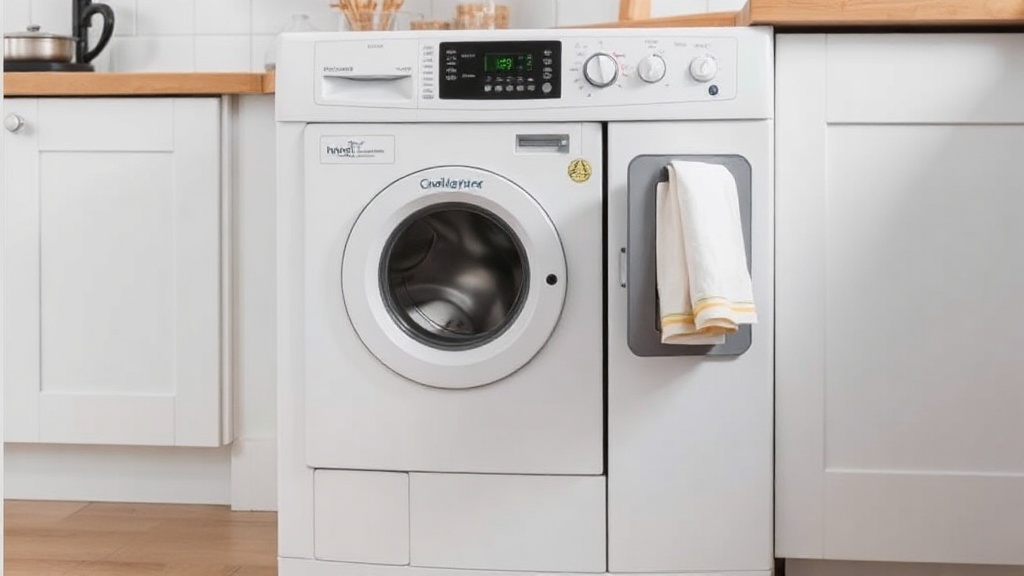
TL;DR: Washing machine insurance is a standalone or bundled policy that pays for repair or replacement when your appliance breaks down through a mechanical or electrical fault. It is distinct from a manufacturer warranty, which is a contractual promise from the maker rather than a regulated financial product. Policies typically cost between £5 and £15 a month for a single machine; multi-appliance plans covering your whole white-goods lineup run £20 to £50 a month. Key variables are the age limit on the machine, the excess you pay per call-out, the response-time tier, and whether a write-off triggers a new-for-old replacement or a cash settlement. The Consumer Rights Act 2015 also gives parallel statutory rights against the retailer for up to six years, so insurance is one layer in a broader protection picture.
★ Featured Partner · Sponsored
Compare Insurance Quotes
Search and compare quotes from leading UK insurers. Quotezone's panel includes specialist insurers not always on the four major comparison sites.
Compare Quotes →Insurance versus Warranty: Two Very Different Things
The terms "warranty" and "insurance" are used interchangeably in appliance-cover marketing, but they describe legally separate products with different levels of consumer protection.
A manufacturer warranty is a contractual undertaking by the brand: it promises to repair or replace a machine that develops a fault attributable to defective materials or workmanship within a set period, typically one year for most washing machines and up to two or three years on premium models. Warranties are not regulated by the Financial Conduct Authority (FCA). They are governed by contract law and the Consumer Rights Act 2015. Because they are not insurance, a warranty provider does not need to hold capital reserves in the way an insurer does, and if the company becomes insolvent your claim could be worthless unless it was backed by an insurance guarantee.
Mechanical breakdown insurance is a regulated financial product. Policies written in the UK must be underwritten by an insurer authorised by the Prudential Regulation Authority and regulated by the FCA. That means the policy is governed by the Insurance Act 2015 and the Consumer Insurance (Disclosure and Representations) Act 2012, both of which impose duties on the insurer to treat customers fairly. If the underwriting insurer fails, eligible policies may be protected by the Financial Services Compensation Scheme (FSCS) up to 90% of the claim value.
Extended warranties sold by retailers are a middle category. Under the Supply of Extended Warranties on Domestic Electrical Goods Order 2005, retailers must give you a written quotation, explain cancellation rights, and allow you to buy the warranty at any point during the first year rather than only at the point of purchase. That order does not, however, require the product to be underwritten insurance: some retail extended warranties are pure service contracts. Always check the policy document to establish whether it is an FCA-regulated insurance contract or a retailer service agreement.
What Mechanical Breakdown Insurance Covers
A standard washing machine insurance policy is designed to cover sudden and unforeseen mechanical or electrical breakdown. In practical terms, that means a fault in the motor, drum bearings, control board, door seal mechanism, pump, programme selector, or any other internal component that prevents the machine from completing a wash cycle.
Most policies state that cover applies once the manufacturer warranty has expired, though some insurers will write a policy while the warranty is still live (the warranty simply takes precedence during that period). Cover is usually continuous: you pay a monthly or annual premium and the insurer will arrange for a qualified engineer to attend, diagnose the fault, and carry out the repair using manufacturer-approved parts at no additional cost beyond any applicable excess.
Labour and parts are the core of every policy. Beyond that, inclusions vary: some policies include the cost of a laundry service if the repair takes more than 48 hours; some extend to accidental damage caused by a power surge; a few add cover for cosmetic damage caused during the repair visit. Always read the policy schedule rather than the marketing summary, because the schedule is the document that governs what the insurer must pay.
Inclusions and Exclusions in Detail
Understanding what a policy will not cover is as important as knowing what it will. Standard exclusions in the washing machine insurance market include:
Wear and tear: Gradual deterioration that results from normal use over time is not an insured peril. If drum bearings fail after 12 years of daily use, an insurer may argue the failure was foreseeable deterioration rather than sudden breakdown. Policy wording on this varies significantly between underwriters.
Cosmetic damage: Chips, scratches, dents, and fading of the outer casing are excluded from mechanical breakdown cover unless you have added an accidental damage extension. Physical damage to the glass door caused by overloading is similarly excluded by most policies.
Misuse and neglect: Putting the wrong type of detergent in the machine, overloading the drum beyond its rated capacity, or failing to clean the filter regularly can all give an insurer grounds to decline a claim on the basis of owner negligence.
Pre-existing faults: A fault that existed before the policy incepted, or that was reported to the manufacturer as a fault before cover began, will be excluded. Most policies include a short initial exclusion period of 14 to 30 days to deter people from taking out cover after a fault has already appeared.
Age limits: Virtually every policy sets a maximum age for the machine at inception. Common limits are 8 years, 10 years, or 12 years from the date of manufacture (not the date of purchase). If your machine is older than the policy allows, you will not be offered cover at all. For machines that are close to the age limit, the insurer may impose a short inspection visit before cover begins, the cost of which is usually borne by the policyholder.
Commercial use: Policies written for domestic appliances exclude machines used in a business context, including holiday let properties in many cases. Separate commercial appliance cover is available but at significantly higher premiums.
Key inclusions to look for beyond the baseline: accidental damage; power surge protection; second engineer opinions; a no-callout-fee guarantee; and whether replacement is new-for-old or cash-value settlement.
Standalone, Multi-Appliance and Home-Emergency Bundled Options
There are three broad structures in the UK washing machine cover market, and choosing the right structure depends on how many appliances you want to protect and what other home cover you already hold.
Standalone single-appliance cover is the most targeted option. You insure one washing machine for a fixed monthly or annual premium. This is straightforward to price-compare, easy to cancel, and allows you to tailor the policy terms (excess, response time, replacement clause) to that specific machine. Costs typically run between £5 and £15 a month depending on the machine's age, the insurer's chosen excess, and the response-time tier selected.
Multi-appliance or white-goods bundle policies cover several domestic appliances under a single contract. A typical bundle might include the washing machine, tumble dryer, dishwasher, fridge-freezer, and oven. Premiums range from £20 to £50 a month for a household with four to six appliances, making the per-appliance cost lower than buying standalone policies. The trade-off is that age limits and excess structures apply uniformly across all items in the bundle: if one appliance is older than the policy's age limit, it may either be excluded or force you to accept a higher excess on all items.
Home-emergency and boiler-care add-ons sometimes include white goods as a secondary benefit. Major providers in the UK home services market, including those offering boiler and heating cover, have added appliance protection tiers to their products. These can represent good value if you are already paying for boiler cover, but the appliance benefit within a home emergency policy is often more limited: there may be a single annual repair limit expressed in pounds (for example £750 or £1,000 per appliance per year) rather than a full new-for-old replacement obligation, and the response-time guarantees may be slower than a specialist appliance insurer's.
Home contents insurance does not normally include mechanical breakdown cover for appliances. It will pay if the machine is stolen or damaged by fire or flood, but contents policies explicitly exclude breakdown, which is considered a maintenance matter rather than an insured peril.
Cost Comparison: What Drives the Premium
Washing machine insurance premiums are influenced by five main rating factors: the machine's age, the brand and model, the chosen excess, the response-time tier, and whether replacement is included.
Age: A three-year-old machine will attract a lower premium than a seven-year-old one, because the probability of a mechanical failure rises with age. Many insurers apply a sliding scale that increases the base premium by a set amount for each year of age beyond the first three to four years.
Brand and model: All major brands including Bosch, Miele, Samsung, LG, Hotpoint, Beko, Siemens, AEG, and Zanussi are typically accepted by mainstream appliance insurers. There is no exclusion of a brand on the basis that parts are hard to source: the insurer carries that sourcing risk. However, some insurers charge a slightly higher rate for integrated or built-under machines because the labour cost of accessing the appliance is greater.
Excess: A zero-excess policy costs more per month than a policy with a £50 or £100 per-call-out excess. The zero-excess option makes most sense for households where a call-out fee of £50 would create genuine financial pressure; for most households, a modest excess meaningfully reduces the annual premium.
Response time: Standard cover typically comes with a response window of three to five working days. Next-day or same-day premium tiers are available at additional cost. The practical difference matters most for households with young children or medical needs where access to a working washing machine is urgent.
Replacement clause: Policies that guarantee a replacement machine if the repair is uneconomical or impossible to complete within a specified number of days are priced higher than those offering only a cash settlement based on the market value of the original machine at the time of the claim.
Policy Comparison Table: Cover Types at a Glance
| Cover Type | Typical Monthly Cost | Excess Range | Standard Response Time | Replacement Basis | Best For |
|---|---|---|---|---|---|
| Standalone zero-excess | £10 to £15 | £0 per call-out | 3 to 5 working days | New-for-old or cash settlement (varies by insurer) | Single machine, tight monthly budget for unplanned costs |
| Standalone with excess | £5 to £10 | £50 to £100 per call-out | 3 to 5 working days | Cash settlement based on current market value | Single machine, lower monthly outlay acceptable |
| Standalone fast-response | £12 to £18 | £0 to £50 per call-out | Next working day or same day | New-for-old on uneconomical repairs | Households where machine downtime causes serious disruption |
| Multi-appliance bundle | £20 to £50 (4 to 6 appliances) | £50 per appliance per call-out | 3 to 5 working days | Cash settlement or repair-to-fix; replacement cap may apply | Households wanting cover across washing machine, dryer, dishwasher, fridge |
| Home-emergency add-on tier | £5 to £12 added to boiler cover | £0 or set by parent policy | 48 hours to 5 working days | Repair up to annual limit (e.g. £750 per appliance) | Existing boiler-cover customers wanting light-touch appliance protection |
Age Limits and Eligibility: What to Check Before You Apply
Age limits are one of the most frequently misunderstood aspects of washing machine insurance. The limit refers to the age of the machine at the date the policy begins, not the date of manufacture of the components or the date of any previous repair. If a policy sets an 8-year age limit, a machine manufactured in 2016 cannot be insured under that policy from January 2025 onwards, regardless of how well-maintained it is or whether it has had a drum replacement recently.
The age is typically verified by the serial number on the machine, which encodes the production date. When you apply, most online quote journeys ask for the make, model, and approximate year of purchase. An insurer may accept an approximation at application but will verify the production date from the serial number if a claim is made. Providing an inaccurate age constitutes a misrepresentation under the Consumer Insurance (Disclosure and Representations) Act 2012 and can invalidate the policy.
Some insurers offer specialist cover for older machines up to 15 years old, but premiums are considerably higher and the terms often restrict replacement to a cash settlement only, with a cap that reflects the diminished market value of an older appliance. For a machine more than 10 years old it is worth assessing whether the annual premium exceeds what a comparable second-hand replacement would cost, since a good-condition used washing machine can be sourced from £150 to £300.
Excess Structures: Zero-Excess vs Flat Excess vs Percentage Excess
There are three excess structures in the UK appliance insurance market, and the right choice depends on claim frequency expectations and cash-flow preferences.
Zero excess: No contribution from the policyholder when making a claim. The insurer meets the full cost of labour and parts. Premiums are higher to reflect the insurer's full exposure from the first pound. This structure suits people who want predictable costs and cannot absorb a £50 to £100 surprise charge.
Flat excess: The most common structure. A fixed amount (typically £50 or £100) is deducted from each repair claim, or paid by the policyholder directly to the engineer. The insurer covers the balance. This significantly reduces the monthly premium compared to zero-excess policies. Note that the excess applies per call-out, not per policy year: if the machine requires two separate repair visits in 12 months, the excess is payable twice.
Percentage excess: Less common in the appliance sector than in motor insurance, but present in some policies. The policyholder pays a percentage (for example 10% or 15%) of each repair bill. This is mathematically unfavourable for expensive repairs on high-end machines and is worth avoiding unless the base premium is substantially lower.
When comparing policies, convert the excess to an annual expected cost by estimating claim frequency. Industry repair data suggests a washing machine requires a repair call-out roughly once every three to five years on average. On a three-year repair cycle, a £100 excess costs approximately £33 a year in expected value terms. If a zero-excess policy costs £4 a month more (£48 a year) than the equivalent flat-excess product, the flat-excess option is likely to be better value over time unless you anticipate above-average claim frequency.
Response-Time Tiers and Why They Matter
Response time refers to how quickly an engineer will attend your property following a reported breakdown. Insurers in the UK market typically offer two or three tiers.
The standard tier guarantees that an engineer will attend within three to five working days of the claim being logged. For most households this is adequate: an inconvenient few days without a working machine is manageable.
The priority or next-working-day tier guarantees attendance on the next working day following the claim, provided it is logged before a cut-off time (usually midday or 2pm). This tier typically costs an additional £2 to £5 a month.
Same-day or emergency tier cover (available from a smaller number of providers) guarantees attendance on the day of the call if logged before a morning cut-off. Premiums for same-day cover are considerably higher and availability is limited to major urban and suburban areas. Rural properties may find that same-day engineers are not available in their postcode even at the premium tier.
Response time is distinct from repair completion time. An engineer may attend the next day but, if a specialist part must be ordered, the machine may remain out of service for a further three to seven days. Better policies specify a maximum total repair period (for example, 14 days from first attendance) beyond which the insurer is obliged to escalate to a replacement.
Replacement Terms: New-for-Old versus Cash Settlement
When a machine is deemed beyond economical repair (BER), the policy must define what the insurer owes. There are two approaches, and the difference is significant.
New-for-old replacement: The insurer supplies a replacement machine of equivalent specification (or the closest available equivalent if the exact model is discontinued) at no additional cost to the policyholder beyond any applicable excess. This is the most consumer-favourable outcome: a five-year-old machine written off after a catastrophic motor failure is replaced with a current equivalent, regardless of depreciation. Policies offering true new-for-old replacement are priced accordingly.
Cash settlement based on current market value: The insurer pays the policyholder the current second-hand market value of the broken machine, assessed at the time of the claim. For a five-year-old mid-range washing machine, this might be £100 to £200. The policyholder then sources their own replacement. This approach is cheaper to insure but leaves a potentially significant gap between the settlement and the cost of buying a new equivalent.
A third variant, seen in some home-emergency policy add-ons, caps the payout at a fixed sum (for example £750 per appliance per year). For a machine that costs £400 to replace new, this cap is sufficient. For a premium machine (Miele, certain Bosch Series 8 models) that retails above £750, the cap introduces a shortfall that the policyholder must fund directly.
Policies may also specify a replacement contribution structure: the insurer provides a voucher or credit toward a replacement from a nominated retailer rather than a cash payment. This limits your choice of outlet and the specification of replacement. Check the policy wording carefully to understand whether replacement is in kind, cash, or restricted credit.
The Claims Process Step by Step
Understanding the claims process before a breakdown occurs reduces stress at the point of claim. The typical journey through a washing machine insurance claim follows these stages.
Step 1: Report the fault. Contact the insurer by phone or through their online portal as soon as the fault is identified. Most policies require you to report promptly and prohibit you from authorising or carrying out any repair before the insurer has been notified. Arranging your own engineer without prior authorisation is almost always grounds for a declined claim. Have your policy number, the machine's make and model, and a description of the fault ready.
Step 2: Insurer triage. Some insurers have a phone-based technical triage step in which an advisor will attempt to diagnose the fault remotely. If the fault can be resolved by a reset or a simple user action (such as clearing a blocked filter) the insurer may close the call without dispatching an engineer. This is not an attempt to avoid a claim: it is a genuine time-saving step that can resolve a third of reported faults without a visit.
Step 3: Engineer appointment. If the fault cannot be resolved remotely, the insurer arranges an engineer visit. The appointment window depends on your response tier. You will typically receive a confirmation by text or email with the engineer's name and arrival window (usually a half-day slot).
Step 4: Diagnosis visit. The engineer attends, diagnoses the fault, and identifies the required part or parts. If the part is in the engineer's vehicle stock, the repair may be completed on the same visit. If not, a follow-up visit is arranged once the part has been sourced.
Step 5: Repair or BER decision. If the cost of repair (parts plus labour) exceeds a threshold typically set at 80% to 100% of the machine's replacement value, the insurer declares the machine beyond economical repair. At that point, the policy's replacement or settlement terms apply. If the machine is repairable, the engineer completes the work and the insurer settles the bill directly: you pay only the excess, if any.
Step 6: Excess payment. Where an excess applies, you pay this to the engineer directly at the time of the visit, or it may be collected by the insurer via direct debit following the claim. Confirm the payment method with your insurer at the time you report the fault.
Step 7: Complaint escalation. If you disagree with a BER decision, a parts-sourcing delay, or a replacement settlement amount, raise a formal complaint with the insurer in writing. If the insurer does not resolve the complaint within eight weeks, or issues a final response you consider unsatisfactory, you can refer the matter to the Financial Ombudsman Service (FOS) free of charge. The FOS has jurisdiction over all FCA-regulated insurance policies.
The Consumer Rights Act 2015: Your Parallel Statutory Layer
Regardless of whether you hold insurance, the Consumer Rights Act 2015 (CRA 2015) provides statutory protection that runs in parallel and is worth understanding. Under Section 9 of the CRA 2015, goods sold to consumers must be of satisfactory quality, fit for purpose, and as described. A washing machine that develops a mechanical fault is potentially in breach of those statutory rights, and the retailer (not the manufacturer) is liable.
For faults that appear within 30 days of purchase, you have the right to a full refund. Between 30 days and six months, the retailer must repair or replace the machine at no cost to you, and if they fail to do so adequately you can claim a full or partial refund. After six months (and up to six years under the Limitation Act 1980), the burden of proof shifts: you must demonstrate that the fault was present at the time of purchase rather than caused by misuse or wear and tear.
The CRA 2015 rights apply against the retailer. If you bought the machine from a large retailer that is still trading, this is a useful backstop for faults that occur within the first few years and could be attributed to an inherent defect. Insurance, by contrast, covers accidental breakdown caused by normal use, which the CRA 2015 does not reach. The two regimes are complementary: CRA 2015 protects against defects at the point of sale; insurance protects against breakdown through ordinary use over the machine's lifetime.
Citizens Advice provides free guidance on asserting CRA 2015 rights, and Which? publishes template letters for sending to retailers when a fault appears. If the retailer disputes the claim and you paid by credit card, Section 75 of the Consumer Credit Act 1974 may give you an additional route to a refund from your card issuer for purchases over £100.
Practical Considerations Before Taking Out a Policy
A washing machine insurance policy is a recurring financial commitment. Before applying, it is useful to audit a few practical points.
Check your home contents insurance schedule first. A small number of contents policies include a limited home-appliance benefit, usually as part of an accidental damage or home emergency add-on. If this exists, taking out a separate standalone policy creates duplicate cover, which does not give you double the benefit but does cost double the premium.
Verify the machine's age before applying. Locate the serial number (usually on a sticker inside the door frame or on the back panel), decode the production date, and confirm it falls within the prospective insurer's age limit. Many people are surprised to find their machine is older than they thought.
Assess repair cost versus premium cost for older machines. A machine more than eight years old may be approaching end of life regardless of how reliable it has been. If the annual premium for an eight-year-old machine is £120 to £180 and a new comparable model costs £300 to £400, the maths of long-term cover is less clear than for a newer machine.
Read the policy document rather than the summary. The Insurance Product Information Document (IPID) is a standardised one-page summary required by FCA rules for most non-life insurance products. It provides useful headline information. However, the full policy wording contains the precise exclusion language that will govern a disputed claim. Particular attention should be paid to the definition of "breakdown," the exclusion for wear and tear, and the replacement terms.
Important: This article is general information about UK home appliance and home cover and does not constitute financial, insurance or legal advice. Policy terms, prices and statutory entitlements change over time and vary between providers. Always read the full policy documents and the relevant guidance from a qualified adviser or the named primary sources before making a decision.
Frequently asked questions
Can I insure a washing machine that is still under manufacturer warranty?
Yes. Many insurers will accept a machine that is still within its manufacturer warranty period. The warranty takes precedence during that time, meaning the insurer will direct you to the manufacturer for faults that fall within the warranty scope. The insurance policy then activates fully once the warranty expires. Insuring early can be worthwhile if you want to lock in a lower premium before the machine ages out of standard eligibility tiers.
Does washing machine insurance cover all brands?
All major UK-market brands are typically accepted, including Bosch, Miele, Samsung, LG, Hotpoint, Beko, Siemens, AEG, Indesit, and Zanussi. There is no exclusion based on brand. Integrated or built-under models are accepted by most insurers, though a small number of policies charge a slightly higher rate because engineer access takes longer. The machine must be a domestic model: commercial laundry equipment requires separate specialist cover.
What happens if my machine cannot be repaired - do I get a new one?
It depends on the policy's replacement terms. Policies offering new-for-old replacement will supply a machine of equivalent specification at no further cost beyond any excess. Policies based on cash settlement pay the current market value of your machine at the time of the claim, which may be considerably less than the cost of a new equivalent. Home-emergency add-on policies may cap the payout at a fixed sum (for example £750). Check the policy wording before you buy rather than after a breakdown.
How do I make a claim, and can I use my own engineer?
You must contact the insurer first using the claims line or online portal shown on your policy schedule. Most policies prohibit you from arranging your own repair before obtaining insurer authorisation. Using an uncontracted engineer without approval is one of the most common grounds for claim rejection. Once you report the fault, the insurer arranges an approved engineer. If you are dissatisfied with the outcome, you can escalate a formal complaint to the Financial Ombudsman Service free of charge.
Does the Consumer Rights Act 2015 make insurance unnecessary?
The Consumer Rights Act 2015 gives you rights against the retailer for up to six years if a fault can be shown to stem from a defect present at the time of sale. That is valuable protection but it does not replace insurance. Insurance covers breakdown through ordinary wear during normal use, which is not a defect. The two protections are complementary: CRA 2015 covers inherent faults; insurance covers operational breakdowns. For a machine more than six years old, CRA 2015 rights are also time-limited, at which point insurance may be the only financial safety net.
Sources and further reading
- Consumer Rights Act 2015 - legislation.gov.uk
- Insurance explained for consumers - Financial Conduct Authority
- Supply of Extended Warranties on Domestic Electrical Goods Order 2005 - legislation.gov.uk
- Complain about a faulty product - Citizens Advice
- What to do if an appliance breaks down - Which?
- Insurance cover - Financial Services Compensation Scheme


