
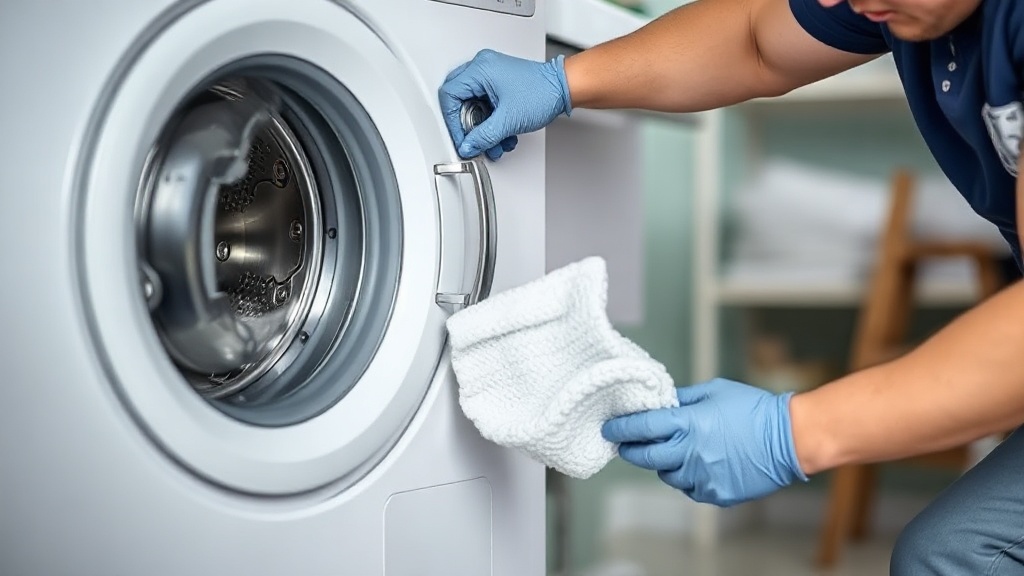
TL;DR: Hiring an engineer to fix a washing machine in the UK typically costs between £80 and £250 in 2026, depending on the fault, your region, and whether you choose a fixed-price or time-and-materials arrangement. Call-out fees alone run £50 to £80 before any work begins. Major faults such as PCB failure or spider arm damage can push the bill toward £350. Under the Ecodesign Regulations 2021, manufacturers must stock key spare parts for up to ten years, improving the availability of components that previously caused machines to be scrapped prematurely.
★ Featured Partner · Sponsored
Compare Insurance Quotes
Search and compare quotes from leading UK insurers. Quotezone's panel includes specialist insurers not always on the four major comparison sites.
Compare Quotes →What You Can Expect to Pay for a Washing Machine Repair in 2026
The cost of repairing a washing machine in the UK in 2026 sits in a range that most households find uncomfortably wide. A straightforward fault such as a worn carbon brush set can be resolved for as little as £80 all-in, while a failed printed circuit board on a premium machine may carry a combined parts-and-labour bill approaching £350. Understanding how that range is constructed helps you assess any quote you receive and decide how to proceed.
Every repair visit carries a baseline cost before a single bolt is touched. The call-out or diagnostic fee covers the engineer travelling to your property, confirming the fault, and providing a quote. In 2026, this fee runs between £50 and £80 across most of England, Wales, and Scotland. Some firms fold the call-out into the final invoice if you proceed with the repair; others charge it regardless. Always establish this upfront in writing.
Labour rates are charged either as a flat hourly rate or as a fixed price for defined repair types. Hourly rates for domestic appliance engineers ranged from £45 to £90 in 2026 depending on geography, with London commanding the highest premiums. Most straightforward repairs take between one and two hours on-site, though drum bearing replacement or spider arm work can require a return visit once ordered parts arrive.
Parts costs vary enormously. A door seal (bellows) from a reputable supplier may cost £15 to £45 depending on the machine brand, while an original-manufacturer PCB can carry a list price exceeding £150 before fitting. The combination of parts and labour is therefore the most meaningful figure to track, which is why fault-by-fault data is set out in the table below.
Fault-by-Fault Cost Breakdown
The table below consolidates typical parts costs alongside estimated total repair bills (parts plus one to two hours of labour at mid-range rates) for the most common washing machine faults reported to UK repair firms in 2025 and 2026. Costs shown are indicative ranges for a mid-market machine; premium or discontinued models may attract higher parts prices.
| Fault | Typical Parts Cost | Estimated Total (Parts + Labour) | Complexity |
|---|---|---|---|
| Door seal / bellows replacement | £15 to £45 | £80 to £130 | Low |
| Carbon brush replacement (motor) | £8 to £20 | £70 to £115 | Low |
| Drain pump replacement | £20 to £55 | £85 to £140 | Low to medium |
| Heating element replacement | £20 to £50 | £90 to £150 | Medium |
| Door lock / interlock replacement | £15 to £40 | £75 to £125 | Low |
| Drum bearings replacement | £35 to £80 | £140 to £270 | High |
| PCB / control board replacement | £80 to £200 | £150 to £350 | High |
| Spider arm (drum support) replacement | £60 to £130 | £200 to £350 | Very high |
| Water inlet valve replacement | £15 to £40 | £80 to £135 | Low |
| Pressure switch replacement | £10 to £30 | £70 to £120 | Low |
Drum bearing replacement deserves particular attention because it is one of the most labour-intensive common faults. The outer tub must usually be split to access the rear bearing housing, a process that can take three to four hours and may require the drum and tub to be removed entirely. On some integrated or stacked machines, additional dismantling of cabinet panels further extends the time required, pushing total bills toward the upper end of the £270 range or beyond.
PCB failure is the costliest fault in terms of parts. Control boards on modern machines handle wash programmes, motor speed, temperature regulation, and sensor inputs. An original-equipment board from the manufacturer typically costs more than an aftermarket equivalent, but aftermarket boards carry variable reliability records. Some repair specialists offer remanufactured boards with a short warranty, which can reduce parts costs by 30 to 50 per cent compared with buying new.
Spider arm failure, while less common, often renders a machine uneconomical to repair. The spider arm is the three-pronged aluminium casting that connects the drum to the rear shaft. Once it fractures, the drum becomes unbalanced and the bearings deteriorate rapidly. Parts sourcing can be difficult for machines over five years old, and the high labour time makes this one of the few faults where repair costs routinely approach or exceed the machine's market value.
Labour Rates by Region
Appliance repair labour rates in the UK follow a broadly familiar geographic gradient, with London and the South East commanding the highest hourly fees and many rural or remote areas falling into a different cost structure for reasons connected to travel time rather than underlying rates.
In London, domestic appliance engineer hourly rates in 2026 typically sit between £60 and £90. Engineers in Greater London face higher operating costs including vehicle insurance, congestion charges, and parking fees, all of which are reflected in the rates charged. Central London postcodes tend to attract rates at the top of this range.
The Midlands, including Birmingham, Nottingham, and Leicester, generally sees rates between £45 and £65 per hour. The North West and Yorkshire corridors are broadly comparable, though individual firm pricing varies considerably. Scotland and Wales show a similar mid-range pattern in major cities such as Glasgow, Edinburgh, and Cardiff, typically £45 to £65 per hour.
Rural and remote areas present a more complex picture. The underlying hourly rate charged by an engineer may be no higher than in a nearby market town, but the effective cost per job rises because engineers factor in travel time. A rural property 25 miles from the nearest town may carry an additional travel charge of £20 to £40, or the engineer may simply charge for portal-to-portal time at their standard rate. In very remote areas, particularly parts of the Scottish Highlands, Northern Ireland, or the Welsh uplands, the scarcity of local engineers can mean waiting times of one to two weeks for a non-emergency visit.
Same-day and emergency call-outs attract a substantial premium regardless of region. Firms offering same-day or next-morning slots typically charge an additional £30 to £60 on top of their standard call-out fee, and evening or weekend visits may attract a further uplift of 25 to 50 per cent on the labour rate. If a leak has caused damage to flooring or adjacent units, acting quickly carries obvious justification; for less urgent faults, waiting for a standard appointment slot produces a meaningfully lower bill.
Fixed-Price Repair Versus Time-and-Materials
Two contracting approaches dominate the domestic appliance repair market in the UK. Understanding which applies to any particular firm helps households compare quotes accurately.
Under a fixed-price arrangement, the engineer diagnoses the fault and quotes a single inclusive price covering all labour and parts for that specific repair. If the job takes longer than expected or the engineer encounters secondary complications, the price does not change. Fixed-price repair is common among national networks and some independent specialists. The advantage is cost certainty; the disadvantage is that fixed prices are often set conservatively and may exceed what a time-and-materials job would cost on a straightforward fault.
Time-and-materials billing charges separately for each hour of labour and each component used. The final bill reflects actual time on-site and actual parts consumption. This can produce a lower total for simple faults, but costs can escalate if the diagnosis was incomplete on the first visit or if additional components are found to be faulty once the machine is opened. Asking for a maximum-cost estimate before authorising work on a time-and-materials basis is a reasonable precaution.
Some firms offer a hybrid: a fixed call-out and diagnostic fee, followed by a quoted price for the repair once the fault is confirmed. This is arguably the most transparent structure because it separates the cost of knowledge (the diagnosis) from the cost of the remedy (the repair).
Warranty terms on completed repairs also vary. Reputable independent engineers and national networks typically offer a 30-day to 90-day guarantee on parts and labour. Some offer longer periods for specific components. Asking for the warranty terms in writing before authorising work is a standard precaution under Consumer Rights Act 2015 principles, which require work carried out by a trader to be done with reasonable care and skill.
Spare Parts Availability Under the Ecodesign Regulations 2021
A significant change affecting spare parts availability came into force under the Ecodesign for Energy-Related Products and Energy Information (Amendment) (EU Exit) Regulations 2021, which carried forward and extended obligations originally derived from EU ecodesign measures. The regulations impose minimum spare parts availability requirements on manufacturers placing washing machines on the UK market.
Under these rules, manufacturers must make key spare parts available to professional repairers for a defined period from the date the relevant model is discontinued. For washing machines, this obligation covers components including motors, bearings, seals, pumps, heating elements, and control electronics. The availability period runs to ten years from the last date the model was placed on the market for higher-value components, and to seven years for certain other parts, though the precise scope depends on the component category and the year the machine was placed on the market.
Critically, the obligation to supply is to professional repairers, not directly to consumers. However, the practical effect is that independent engineers can source legitimate parts for machines that would previously have become uneconomical to repair simply due to parts scarcity. This has modestly improved the repair economics for machines in the five to ten year age band, which would historically have been written off when a PCB or pump became unavailable.
The regulations also impose delivery time obligations. Manufacturers must supply ordered parts within 15 working days for most component categories. This does not eliminate the frustration of waiting for a part before a repair can be completed, but it sets a floor on acceptable delays and gives repair firms something concrete to cite if a manufacturer's distribution network is under-performing.
Consumers who encounter difficulty obtaining parts for a machine still within its manufacturer support period can raise concerns with the manufacturer directly, or note that the Ecodesign obligations are enforced in Great Britain by the Office for Product Safety and Standards. The relevant legislation is available at legislation.gov.uk.
How Machine Age Affects Repair Economics
Age is the single most important variable in assessing whether a repair makes financial sense. This article focuses on costs rather than the repair-versus-replace decision in depth, but the age band of a machine materially affects the repair quote itself and the likelihood of further faults following a successful fix.
Machines under three years old are often still within the manufacturer warranty or an extended warranty policy. Checking the warranty status before commissioning a private repair is essential, as unauthorised repair work can invalidate remaining warranty cover. The FCA-regulated extended warranty market means many machines sold through major retailers carry additional cover; policyholders should check documentation before calling an independent engineer.
For machines aged three to seven years, parts are generally available under the Ecodesign framework and the machine has not depreciated to negligible value. A repair costing £100 to £200 on a machine with a current replacement cost of £350 to £500 is likely to be economically sensible provided the machine has been reasonably maintained and the fault is an isolated component failure rather than symptomatic of broader deterioration.
Machines aged seven to ten years present more nuanced economics. Parts availability begins to tighten for discontinued models outside the Ecodesign window, and labour costs on high-complexity faults such as bearings or spider arms can approach the machine's secondhand value. An independent assessment of whether further faults are likely, based on the machine's usage pattern and maintenance history, becomes more relevant at this age band.
Machines over ten years old have generally passed the point at which the Ecodesign parts availability obligation applies to their specific model year. Parts sourcing becomes speculative, and any quoted repair cost carries a higher risk of escalating if the engineer encounters secondary faults once the machine is opened. At this stage, the repair cost threshold that makes sense financially is considerably lower.
Finding and Vetting a Repair Engineer
The domestic appliance repair industry is not licensed in the way that gas or electrical installation work is. There is no statutory requirement for a washing machine engineer to hold a specific qualification, though many reputable practitioners hold manufacturer-accredited training certificates or membership of trade associations. Checking for Trustpilot reviews, local recommendation, or membership of a trade body such as the Domestic Appliance Service Association provides a basic level of assurance.
Manufacturer-authorised service networks offer one tier of vetting: the engineer has been trained on the specific brand and has access to the manufacturer's parts supply chain. This can be relevant for faults covered by a manufacturer goodwill scheme or extended warranty. The trade-off is that authorised network rates are often at the higher end of the regional range and appointment availability can be limited.
Independent engineers frequently offer more competitive pricing and faster availability, particularly in areas not well served by authorised networks. Obtaining two or three quotes for any repair estimated above £150 is a reasonable approach that costs nothing beyond a second diagnostic fee, and many engineers will waive or credit the diagnostic fee if their quote is accepted.
For any repair, the trader is bound by the Consumer Rights Act 2015 to perform the service with reasonable care and skill and within a reasonable time. If a repair is carried out defectively and the fault recurs, the consumer has a right to a repeat performance of the service or, if that is not possible, a price reduction. Citizens Advice provides guidance on pursuing this right at citizensadvice.org.uk.
Insurance and Home Emergency Cover
Some household contents insurance policies and home emergency cover products include appliance breakdown as a named benefit, either as standard or as an optional add-on. The Financial Conduct Authority regulates firms that sell these products, and policy documentation must clearly state what is and is not covered. Common exclusions include cosmetic damage, faults present at the time the policy was taken out, and machines over a specified age (often ten to fifteen years).
Where a valid policy exists, the insurer typically arranges and pays for the engineer visit directly, eliminating the call-out fee and parts costs for the policyholder. The practical implication is that the cost tables in this article represent out-of-pocket costs for uninsured repairs; policyholders with relevant cover should confirm the claims process with their insurer before instructing an independent engineer, as self-arranging a repair and then seeking reimbursement is not always permitted under the policy terms.
The Association of British Insurers publishes guidance on appliance and home emergency cover at abi.org.uk. The FCA's consumer finance guidance, including information on regulated insurance products, is available at fca.org.uk/consumers.
Important: This article is general information about UK home appliance and home cover and does not constitute financial, insurance or legal advice. Policy terms, prices and statutory entitlements change over time and vary between providers. Always read the full policy documents and the relevant guidance from a qualified adviser or the named primary sources before making a decision.
Frequently asked questions
What is the average cost to repair a washing machine in the UK in 2026?
Most washing machine repairs in the UK in 2026 cost between £80 and £250 in total, covering the call-out fee, labour, and parts. Simple faults such as a worn door seal or carbon brush set sit toward the lower end of this range, while complex faults such as drum bearing replacement or PCB failure can reach £270 to £350. The call-out or diagnostic fee alone is typically £50 to £80 and is charged even if the householder decides not to proceed with the repair.
Are spare parts for washing machines easier to get now?
Yes, to a degree. The Ecodesign for Energy-Related Products Regulations 2021, which applies in Great Britain, requires washing machine manufacturers to make key spare parts available to professional repairers for up to ten years from when a model is discontinued. This covers motors, bearings, seals, pumps, heating elements, and control electronics among other components. The change has improved parts availability for machines in the five to ten year age band that would previously have been scrapped because components had gone out of production. Manufacturers are also required to fulfil ordered parts within 15 working days for most categories.
Why is drum bearing replacement so expensive compared with other faults?
Drum bearing replacement is labour-intensive rather than costly in parts alone. Accessing the rear bearing housing requires the engineer to split the outer tub, which on most machines means removing the drum, disassembling major cabinet panels, and reassembling everything correctly. The process typically takes three to four hours, sometimes more on integrated or stacked machines. Labour at even mid-range regional rates of £50 to £65 per hour accounts for the majority of the total bill, which commonly falls between £140 and £270.
Does my home insurance cover washing machine repairs?
It depends on your specific policy. Some household contents insurance policies and home emergency cover products include domestic appliance breakdown as a named benefit, either as standard or as a paid add-on. Common exclusions include machines over a set age, pre-existing faults, and cosmetic damage. Policies regulated by the Financial Conduct Authority must clearly state all exclusions in their documentation. If you have relevant cover, check the claims process with your insurer before instructing an independent engineer, as self-arranging a repair and seeking reimbursement is not always permitted under the policy terms.
Can a washing machine engineer charge more than the original quote?
Under the Consumer Rights Act 2015, a trader must perform a service with reasonable care and skill and at the price agreed. If you accepted a fixed-price quote, the engineer cannot charge more unless you authorised additional work. Under time-and-materials arrangements, the final bill reflects actual time and parts, which can exceed an initial estimate if complications arise. Asking for a maximum-cost estimate in writing before authorising work on a time-and-materials basis is a sensible precaution. If a repair is carried out defectively and the fault recurs, you are entitled to request a repeat of the service or a price reduction under the Act.
Sources and further reading
- Ecodesign for Energy-Related Products and Energy Information (Amendment) (EU Exit) Regulations 2021 - legislation.gov.uk
- Your rights if a service goes wrong - Citizens Advice
- Consumer guidance including regulated insurance products - Financial Conduct Authority
- Home emergency and appliance cover guidance - Association of British Insurers
- Product safety and ecodesign enforcement - Office for Product Safety and Standards, GOV.UK


