
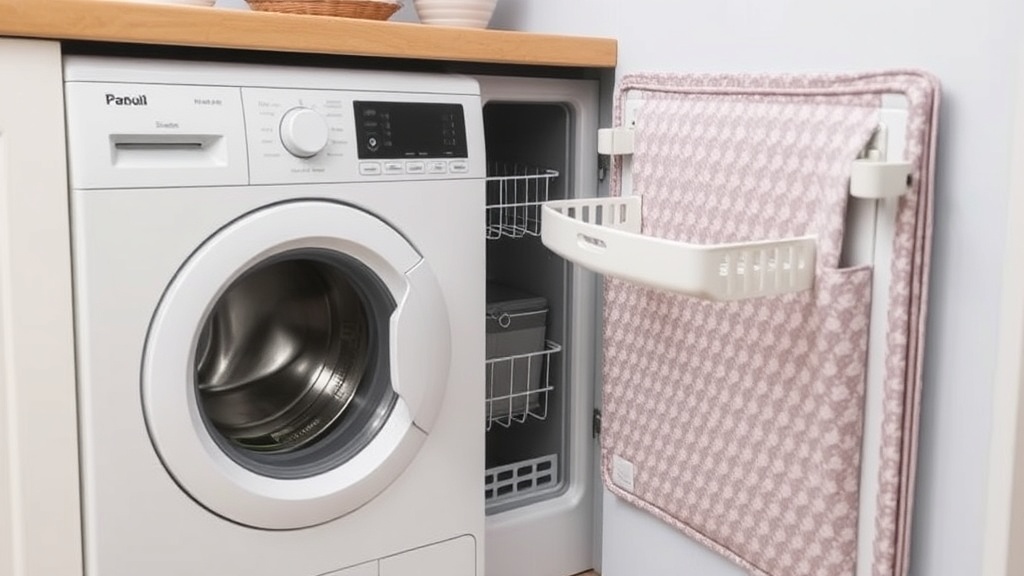
TL;DR: White goods insurance covers the repair or replacement of large kitchen and laundry appliances when they break down. A typical UK household holds between £2,000 and £5,000 worth of white goods at replacement cost, yet most home contents policies exclude mechanical and electrical breakdown entirely. Standalone cover costs roughly £5 to £15 per month per appliance; multi-appliance policies run £20 to £50 per month for a whole household. The Ecodesign Regulations 2021 now require manufacturers to supply spare parts for most large appliances for up to ten years, which changes the economics of repair versus replacement and makes insuring older machines more viable than it once was.
★ Featured Partner · Sponsored
Compare Insurance Quotes
Search and compare quotes from leading UK insurers. Quotezone's panel includes specialist insurers not always on the four major comparison sites.
Compare Quotes →What Are White Goods? A Precise Definition for Insurance Purposes
The phrase "white goods" originated in the mid-twentieth century when large domestic appliances were manufactured almost exclusively in white enamel. Today the term covers any large, freestanding or built-in electrical appliance primarily associated with cooking, food storage, or laundry. For insurance purposes the category typically includes: washing machines, tumble dryers, washer-dryers, dishwashers, refrigerators, fridge-freezers, upright and chest freezers, electric ovens and range cookers, gas ovens (where an electrical ignition or fan system is present), hobs (induction, ceramic and electric), and extractor hoods with an electrical motor. Compact countertop appliances such as microwaves, toasters and kettles are classified separately as small domestic appliances and fall under different policy terms.
The distinction matters for insurance because white goods combine a high replacement cost, a relatively long expected service life, and a failure mode (mechanical or electrical breakdown) that standard home contents insurance does not cover. The Association of British Insurers confirms that contents policies cover damage caused by fire, flood, theft and accidental damage but explicitly exclude wear-and-tear deterioration and mechanical or electrical breakdown unless that peril is specifically listed as an extension. White goods insurance, also called appliance insurance or home appliance cover, fills that gap by treating breakdown as the primary insured event.
What White Goods Insurance Covers
A standard white goods policy pays for the labour and parts needed to repair a covered appliance when it stops working due to a mechanical or electrical fault. Most policies also cover call-out fees, which can run to £60 to £120 per visit before any repair work begins. Where an appliance cannot economically be repaired, the insurer will either replace it with a new equivalent model or, more commonly in recent years, pay a cash settlement based on the current retail price of a comparable replacement.
Better-tier policies include the following additions. First, accidental damage cover extends the policy to physical damage caused by a sudden, unintended event - for example, a broken door seal caused by overloading, or a cracked hob surface caused by a dropped pan. Second, food spoilage cover pays for the contents of a freezer or fridge when the appliance breaks down and the food deteriorates; typical limits sit at £200 to £500 per claim. Third, emergency same-day or next-day engineer visits are offered by the larger network-based providers. Fourth, unlimited call-outs within the policy year are included by some insurers, whereas budget policies cap call-outs at two or three per appliance per year.
What White Goods Insurance Does Not Cover
Exclusions vary by provider but the following are near-universal. Pre-existing faults are excluded: any breakdown that arose before the policy inception date, or any fault that was known to the policyholder at the time of purchase, will not be covered. Cosmetic damage - scratches, dents, discolouration - is excluded unless it directly affects function. Damage caused by misuse, incorrect installation, or failure to follow the manufacturer's operating instructions is not covered. Consumable parts such as washing machine drum paddles, dishwasher filters and oven door gaskets are excluded from many policies, though higher-tier products do include them.
Age limits are a significant exclusion trigger. The majority of insurers will not accept an appliance that is more than eight to ten years old at the time the policy is taken out, and some lower-cost providers set the limit at five years for certain appliance types. Even within a policy, age affects the settlement calculation. Where a seven-year-old washing machine breaks down and the insurer determines it cannot be repaired, the cash settlement may be calculated on a like-for-like basis - meaning a machine of equivalent age and condition, not a brand-new replacement - unless the policy specifically guarantees a new-for-old replacement. Consumers should read the settlement basis clause carefully before purchasing.
Valuing the White Goods in a Typical UK Home
Most households underestimate the total replacement value of their white goods. The table below sets out the approximate current retail replacement cost and the most commonly cited repair cost range for each major appliance category. Replacement cost data is drawn from current UK retailer pricing; repair cost ranges reflect typical engineer call-out and parts charges reported by consumer organisations.
| Appliance | Average Replacement Cost (£) | Typical Repair Cost Range (£) | Expected Service Life (years) |
|---|---|---|---|
| Washing machine | 350 to 700 | 80 to 300 | 8 to 12 |
| Tumble dryer | 300 to 600 | 70 to 250 | 8 to 12 |
| Washer-dryer combination | 450 to 900 | 90 to 350 | 7 to 10 |
| Dishwasher | 300 to 650 | 75 to 280 | 9 to 12 |
| Fridge-freezer (freestanding) | 350 to 800 | 80 to 300 | 10 to 15 |
| Chest or upright freezer | 200 to 450 | 60 to 220 | 10 to 15 |
| Refrigerator (standalone) | 200 to 500 | 60 to 200 | 10 to 15 |
| Electric built-in oven | 300 to 700 | 80 to 300 | 10 to 15 |
| Induction or ceramic hob | 250 to 600 | 70 to 250 | 10 to 15 |
| Range cooker (freestanding) | 700 to 2,500 | 100 to 450 | 12 to 20 |
A household with a washing machine, a tumble dryer, a dishwasher, a fridge-freezer and a built-in oven and hob is carrying between roughly £1,500 and £3,250 of appliances at the lower end of the price ranges above, and potentially £4,150 at mid-market retail prices. Add a range cooker and a chest freezer and the total approaches £5,000 or more. That figure represents the financial exposure that white goods insurance is designed to address.
The Economics of Single-Appliance Versus Multi-Appliance Cover
Standalone single-appliance policies, often sold at the point of purchase in retailer stores or online, typically cost between £5 and £15 per month depending on the appliance value and the level of cover chosen. For a £500 washing machine, a policy costing £8 per month amounts to £96 per year. If the machine lasts its full expected twelve-year life without a single claim, the cumulative cost of that standalone policy is £1,152 - more than twice the purchase price of the machine itself. That arithmetic leads many commentators to characterise point-of-sale single-appliance policies as poor value, a view shared by Which? in its coverage of extended warranty products.
Multi-appliance household policies present a more complex picture. A policy covering five or six appliances for £25 to £40 per month costs £300 to £480 per year. Against a household white-goods portfolio worth £3,000 to £5,000, that premium represents a 6% to 16% annual cost rate. The value proposition improves if multiple appliances are ageing simultaneously, because a single significant repair - a washing machine motor replacement at £200 to £280, or a fridge compressor repair at £150 to £300 - can recover a meaningful portion of the annual premium in one call-out. Households in which all appliances were purchased at the same time (common in new builds or following a kitchen refit) face a concentration of age-related breakdown risk, making comprehensive multi-appliance cover particularly relevant.
The break-even analysis favours insurance most clearly for households that: own appliances at the higher end of the value scale; have appliances approaching the six-to-ten-year mark where components begin to wear; lack accessible savings to absorb a £200 to £400 unexpected repair bill; or rent appliances that they are contractually obligated to maintain. It favours self-insuring most clearly for households with newer appliances still under manufacturer warranty, or for those who can readily absorb replacement costs from savings.
Home Contents Insurance and White Goods: Where the Gap Lies
Home contents insurance is not a substitute for appliance cover in most circumstances. A standard contents policy protects the financial value of household possessions against named perils: fire, theft, flood, storm, and - where the accidental damage extension is purchased - sudden physical damage. A washing machine destroyed in a house fire would be covered under contents insurance at its current market value (or new-for-old value under a replacement-as-new policy). A washing machine that stops working because the motor bearing has worn out is not a peril covered by a standard contents policy; it is a mechanical failure, and that is categorically excluded.
Some premium contents products include a home emergency or home assistance element that covers boiler breakdowns and plumbing emergencies but does not extend to kitchen appliances. A small number of insurers offer appliance breakdown as an optional add-on to their contents policies, which can be cost-effective if the premium uplift is modest and the cover terms match a standalone appliance policy. The FCA's product rules under the Consumer Duty framework require firms to ensure add-on products offer fair value; consumers comparing options should check whether the contents add-on covers the same appliances and exclusions as a standalone policy before assuming the bundled option is simpler or cheaper.
Manufacturer Warranties and Their Limitations
New white goods typically come with a one-year manufacturer warranty included in the purchase price, with some brands offering two years as standard and others providing five years on specific components such as the motor. Extended manufacturer warranties are available for purchase and typically run for two to five years from the date of purchase. These are legally classified as insurance contracts in the UK and are regulated by the FCA when sold by retailers or intermediaries, even though they are frequently marketed simply as service plans or protection plans.
The limitation of manufacturer and extended warranties is that they expire at a defined date. Once the warranty period ends, the appliance is fully exposed to repair costs. For a washing machine purchased new and covered by a five-year extended warranty, the cover expires when the machine is five years old. Given that the average washing machine failure occurs between years six and ten of service life, according to consumer research published by Which?, the warranty and the failure risk often do not overlap in the way buyers assume they will. White goods insurance policies, by contrast, can be renewed annually as long as the appliance meets the age criteria, providing ongoing cover through the statistically higher-risk portion of an appliance's life.
The Ecodesign Regulations 2021 and the Right to Repair
A development that materially changes the economic case for insuring older appliances is the Ecodesign for Energy-Related Products and Energy Information (Amendment) (EU Exit) Regulations 2019, amended and brought into force for Great Britain through secondary legislation, with the key appliance-specific obligations taking effect from March 2021. The UK Government introduced these requirements to align with the ambition of extending product lifespans and reducing electrical waste. The regulations, mirroring EU Ecodesign Regulation 2019/2021 for household appliances, require manufacturers of washing machines, washer-dryers, dishwashers, refrigerating appliances (fridges and freezers) and lighting products to make spare parts available to professional repairers for a minimum of seven to ten years after the last unit of a model is placed on the market.
The practical significance for white goods insurance is substantial. Before March 2021 it was common for insurers to decline to repair appliances older than five or six years on the grounds that parts were no longer available, and to settle claims with a depreciated cash payment instead. The Ecodesign parts-availability requirement means that for appliances manufactured and placed on the UK market after the relevant implementation date, manufacturers must stock and supply parts for up to ten years. An engineer instructed by an insurer to repair a seven-year-old washing machine can now legitimately expect to source an original drum bearing, door seal or control board from the manufacturer rather than being told the model is obsolete.
This regulatory backstop strengthens the case for continuing to insure appliances into the seven-to-ten-year age bracket, because the cost of repair becomes more predictable and the likelihood of a repair being technically feasible increases. Insurers have begun to adjust age-limit thresholds in response, with some providers extending coverage eligibility to appliances up to twelve years old for models known to have strong parts availability. Consumers holding appliances manufactured after March 2021 should check whether their insurer has updated its eligibility criteria to reflect the Ecodesign requirements. The Energy Saving Trust provides guidance on appliance energy ratings and the intersection of Ecodesign rules with repair decisions.
Age Limits, Depreciation, and How Settlements Are Calculated
Age limits in white goods insurance serve two related purposes. First, they reduce adverse selection: without age limits, insurers would attract a disproportionate number of policyholders with ageing appliances already showing early signs of failure, making the pool unviable. Second, they reflect genuine uncertainty about parts availability and repair feasibility - though as noted above, the Ecodesign Regulations 2021 reduce that uncertainty for post-2021 models.
Settlement calculations matter as much as age limits. Policies vary on three key parameters: whether settlement is new-for-old or like-for-like; whether there is an excess; and whether there is a cap on the total claim value. A new-for-old policy replaces a broken appliance with a brand-new model of equivalent specification, regardless of how old the broken machine was, subject to the policy's stated cap. A like-for-like or indemnity policy pays the market value of an appliance of the same age and condition, which for a seven-year-old washing machine might be a fraction of new replacement cost. New-for-old policies carry higher premiums but provide materially better protection for households with mid-life appliances.
Excesses typically range from zero on premium policies to £50 to £100 on standard policies. For a repair costing £120, a £75 excess reduces the insurer's outlay to £45 - meaning the policyholder recovers less than half the repair cost from the insurer. Consumers evaluating appliance insurance should calculate the effective benefit after the excess before comparing headline premiums, particularly for policies covering lower-value appliances where a high excess erodes most of the practical benefit.
How to Choose a White Goods Insurance Policy
The FCA requires that firms selling insurance products treat customers fairly and ensure products offer genuine value under the Consumer Duty rules that took full effect in July 2023 for new products and July 2024 for existing products. This means insurers must be able to demonstrate that premiums are proportionate to the risk and benefit delivered, and that exclusions are clearly communicated.
Practical steps for selecting a policy include the following. Start by listing every white good in the household with its approximate age and current retail replacement cost. Identify which appliances are still under manufacturer warranty, since those do not need separate cover yet. For appliances outside warranty, compare the annual premium against the repair cost table above: if the premium exceeds 30% to 40% of the repair cost for the most common fault on that appliance type, the economics favour self-insuring that specific machine. For the remainder, compare multi-appliance policy costs against the sum of standalone costs.
Check the age limits and confirm that all appliances to be covered meet the insurer's eligibility criteria at the point of application. Verify whether the policy uses new-for-old or like-for-like settlement. Confirm the excess per claim and whether the policy covers unlimited call-outs or caps them. Read the exclusions for consumable parts, cosmetic damage, and accidental damage to understand what the base policy does and does not include.
White Goods Insurance and Renters
Rented properties frequently include white goods as part of the tenancy. Under the Landlord and Tenant Act 1985, landlords are responsible for keeping in repair and proper working order the installations provided for the supply of water, gas, electricity, and for sanitation - but the Act does not explicitly extend to domestic appliances. In practice, many tenancy agreements place the responsibility for white goods maintenance on the landlord, since the goods belong to the landlord. Some landlord insurance policies include appliance cover as a component of the property protection, but not all do.
Tenants who discover that white goods in a rented property are not covered by the landlord's insurance, and who are not responsible under the tenancy agreement for maintaining them, have limited options: they can request the landlord arranges cover, they can raise a repair request which the landlord must address within a reasonable time, or they can seek advice from Citizens Advice if the landlord fails to act on a repair that renders the property unfit for habitation. Tenants who own their own appliances - common in longer-term tenancies where a tenant brings their own washing machine - are in the same position as owner-occupiers and should consider standalone or multi-appliance cover if the appliances are outside warranty.
Making a Claim
The claims process for white goods insurance is broadly consistent across providers. The policyholder contacts the insurer by phone or online, provides the appliance make, model and serial number, and describes the fault. The insurer either dispatches an approved engineer or directs the policyholder to arrange a repair through a nominated network. The engineer diagnoses the fault and, if it is covered, carries out the repair or confirms that the appliance cannot be economically repaired. In the latter case the insurer proceeds to a settlement offer based on the policy's settlement basis.
Documentation that speeds up a claim includes: proof of purchase showing the original purchase date; the manufacturer's model number and serial number (usually on a plate inside the door or on the back panel); and any evidence of regular maintenance where the policy conditions require it (some policies for tumble dryers, for example, require that lint filters are regularly cleaned and condition a claim on evidence that this has been done). Keeping a photograph of the appliance's data plate at the time of policy inception removes friction at claim stage.
Summary
White goods insurance addresses a protection gap that standard home contents policies leave open: the cost of repairing or replacing large domestic appliances when they break down through mechanical or electrical failure. A household carrying £3,000 to £5,000 of white goods at replacement cost, with several appliances entering the statistically higher-risk part of their service lives, has a meaningful financial exposure that a multi-appliance policy priced at £25 to £40 per month can address. The Ecodesign Regulations 2021, by requiring manufacturers to supply spare parts for up to ten years, make the repair of older appliances more viable and more predictable, improving the economics of insuring machines into the seven-to-ten-year age bracket. The most important variables when assessing any policy are the age-limit criteria, the settlement basis (new-for-old versus like-for-like), the excess per claim, and whether accidental damage is included or costs extra.
Important: This article is general information about UK home appliance and home cover and does not constitute financial, insurance or legal advice. Policy terms, prices and statutory entitlements change over time and vary between providers. Always read the full policy documents and the relevant guidance from a qualified adviser or the named primary sources before making a decision.
Frequently asked questions
Does my home contents insurance cover white goods if they break down?
Standard home contents insurance does not cover mechanical or electrical breakdown of white goods. Contents policies cover loss or damage caused by fire, theft, flood and accidental damage, but the breakdown of an appliance through wear or a mechanical fault is specifically excluded. Some premium contents products include an appliance breakdown add-on, so it is worth checking the policy schedule, but for most households a separate white goods or appliance insurance policy is needed to cover breakdown.
What is the Ecodesign Regulations 2021 and why does it matter for appliance insurance?
The Ecodesign Regulations 2021 require manufacturers of washing machines, washer-dryers, dishwashers and refrigerating appliances placed on the UK market after March 2021 to make spare parts available to professional repairers for seven to ten years after the model is last placed on market. This matters for insurance because it makes repairing older appliances more feasible: an insurer can now send an engineer to fix a seven- or eight-year-old machine with a reasonable expectation that original parts are available. Some insurers have responded by raising their age-limit thresholds for appliances covered by these rules.
How much does white goods insurance typically cost in the UK?
Standalone cover for a single appliance typically costs between £5 and £15 per month, depending on the appliance type, its value and the level of cover chosen. Multi-appliance household policies covering five or six items generally run between £20 and £50 per month. The premium varies with the excess level chosen, whether accidental damage is included, and whether the policy settles on a new-for-old or like-for-like basis. Point-of-sale extended warranties sold by retailers are regulated as insurance and are often more expensive than standalone policies purchased independently.
Can I insure a white goods appliance that is already more than five years old?
Many insurers set an age limit of eight to ten years at inception, meaning appliances up to that age can be covered when a new policy is taken out. Some providers set a lower limit of five to six years for certain appliance types. Appliances manufactured after the March 2021 Ecodesign implementation date may be eligible for coverage up to twelve years with some providers, reflecting the improved parts availability those regulations deliver. I should check the specific eligibility criteria of any insurer before applying, since age at inception is assessed at the point of policy purchase, not the policy renewal date.
Is it worth insuring white goods or is it better to put money aside in savings?
The answer depends on the household's financial position and the age profile of its appliances. If accessible savings can comfortably absorb a repair bill of £200 to £350 - the typical cost of a significant appliance repair - self-insuring may be the more cost-effective approach for households with newer machines. For households where multiple appliances are simultaneously in the six-to-ten-year age bracket, where savings are limited, or where a large unexpected bill would cause financial difficulty, a multi-appliance policy priced at £25 to £40 per month provides a predictable monthly cost in place of unpredictable lump-sum repair bills. The Citizens Advice consumer guidance on extended warranties provides a framework for evaluating whether a specific product represents fair value.
Sources and further reading
- Association of British Insurers - Home Insurance guidance including contents cover scope
- Financial Conduct Authority - Consumer guidance on home insurance and what it covers
- GOV.UK - Ecodesign for Energy-Related Products Regulations guidance
- Landlord and Tenant Act 1985, Section 11 - Landlord repairing obligations
- Citizens Advice - Extended warranties and appliance protection guidance
- Energy Saving Trust - White goods energy ratings and appliance lifecycle guidance


