
TL;DR
|
★ Featured Partner · Sponsored Compare Insurance Quotes Search and compare quotes from leading UK insurers. Quotezone's panel includes specialist insurers not always on the four major comparison sites. Compare Quotes → |
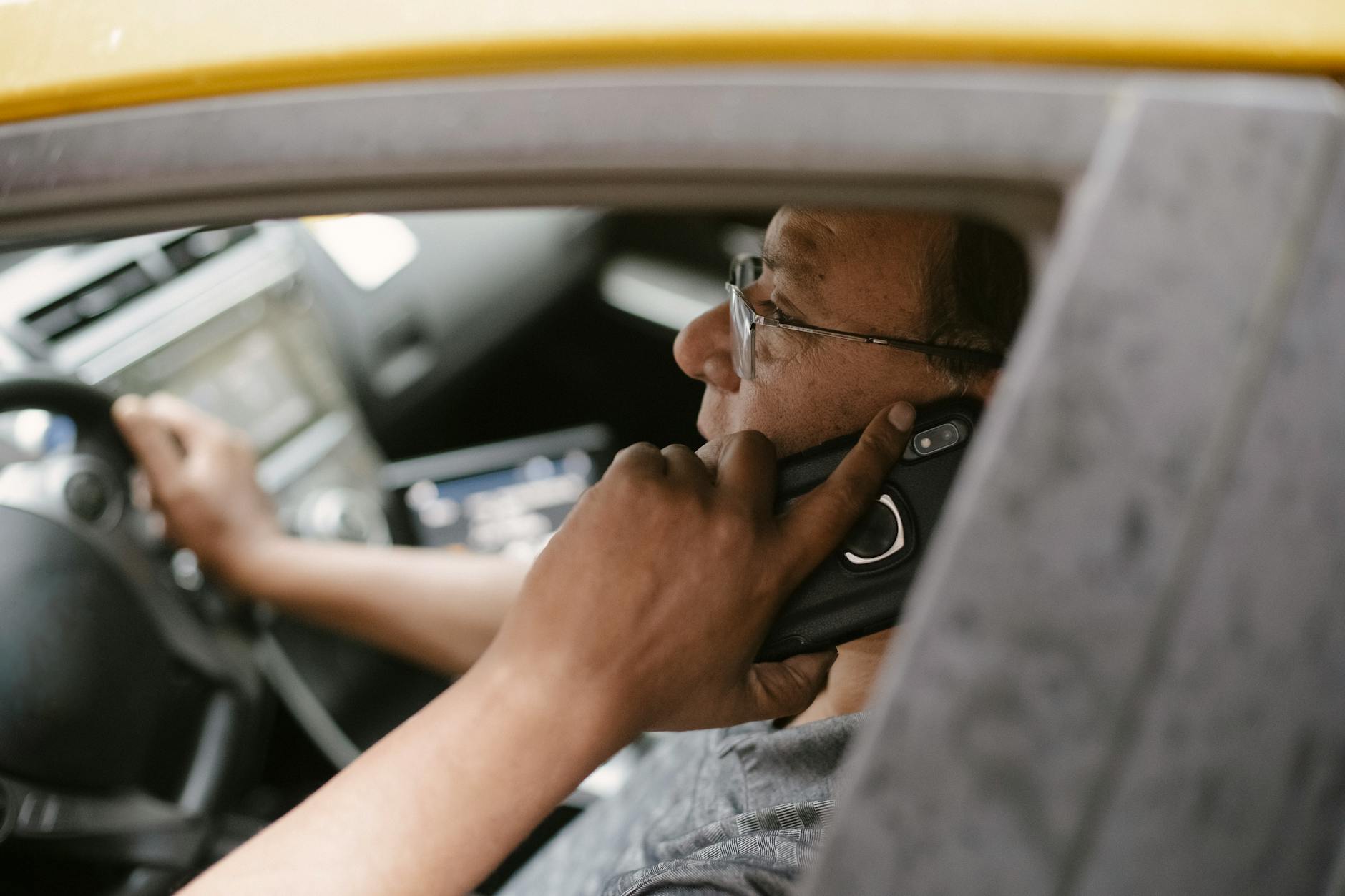
Using a hand-held mobile phone while driving carries a £200 fixed penalty notice and six penalty points. The law covers any device with a screen, including sat-nav devices and tablets used hand-held. New drivers within two years of passing can lose their licence.
Using a hand-held mobile phone while driving carries a £200 fixed penalty notice and six penalty points under rules tightened in March 2022. The law covers any device with a screen, including sat-nav devices and tablets used hand-held, and new drivers within two years of passing the test can lose their licence for the first offence.
What the law actually covers
Regulation 109(1) of the Road Vehicles (Construction and Use) Regulations 1986 prohibits a driver from using a hand-held mobile phone or similar device. The Department for Transport tightened the wording in March 2022 to remove any ambiguity around taking photographs or selecting music.
The law covers all hand-held use, including making or receiving calls, sending or reading texts, taking photographs or video, browsing the internet, and even unlocking the device. The phone does not have to be connected to a call for the offence to apply.
Penalty and points
Fixed penalty notice is £200 and six penalty points. Drivers who choose to contest the case in court can face a fine of up to £1,000, rising to £2,500 for drivers of lorries, coaches and buses.
Six penalty points is half a driver's licence point allowance under the totting up scheme. Twelve points within three years triggers an automatic ban under the totting up rules.
New drivers
Drivers who passed their test within the past two years are subject to the new driver rules under the Road Traffic (New Drivers) Act 1995. Reaching six penalty points during the probationary period triggers automatic licence revocation.
Revoked drivers can apply for a provisional licence and must retake both theory and practical tests. The retake process costs around £100 in test fees and can involve months of waiting.
Exceptions to the law
Genuine emergencies where calling 999 is necessary and stopping is unsafe are exempt under the regulations. Drivers using a phone to make contactless payments at drive-through windows or toll booths are also exempt while the vehicle is stationary and the engine is off.
Hands-free use through a Bluetooth headset, a dashboard mount or a built-in car system is legal, although drivers can still be charged with careless driving if a call distracts them from safe control of the vehicle.
How police identify offenders
Roadside enforcement and patrol cars typically identify mobile phone use through direct observation. Dashboard cameras on police vehicles can also record evidence. National Highways operates camera vans with elevated views to spot hand-held phone use on motorways and major routes.
Public dashcam footage can also be submitted as evidence under most police forces' dashcam portals. The National Dashcam Safety Portal accepts submissions from members of the public.
Key facts
- Fixed penalty £200 and six points.
- Court fine up to £1,000, or £2,500 for lorries, coaches, buses.
- New drivers can lose licence on first offence.
- Hands-free use is legal but careless driving can still apply.
- 999 calls exempted when stopping is unsafe.
FAQ
What counts as using a hand-held mobile phone?
Any hand-held use including calls, texts, photographs, video, browsing or even unlocking the device. The phone does not have to be connected to a call for the offence to apply.
Can I use my phone as a sat-nav?
Only if the phone is in a dashboard mount and you do not touch it while driving. Using a hand-held phone as a sat-nav is treated the same as any other hand-held use.
Will I lose my licence if I pass my test recently?
Drivers who passed within the previous two years lose their licence on reaching six points. A first mobile phone offence triggers automatic revocation, requiring a retake of theory and practical tests.
Is hands-free legal?
Yes, hands-free through Bluetooth, a dashboard mount or a built-in system is legal. Drivers can still face careless driving charges if a call distracts them from safe control of the vehicle.


